







Bolivian Teachers Protest Face Repression, Wage Increases Demanded
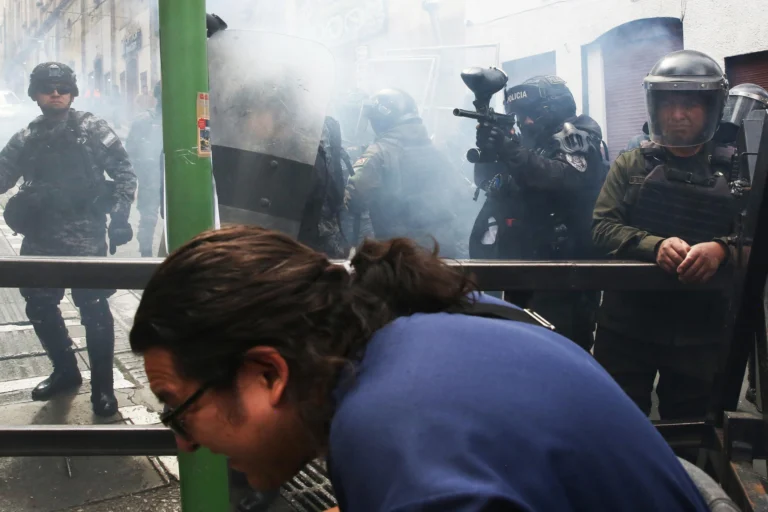
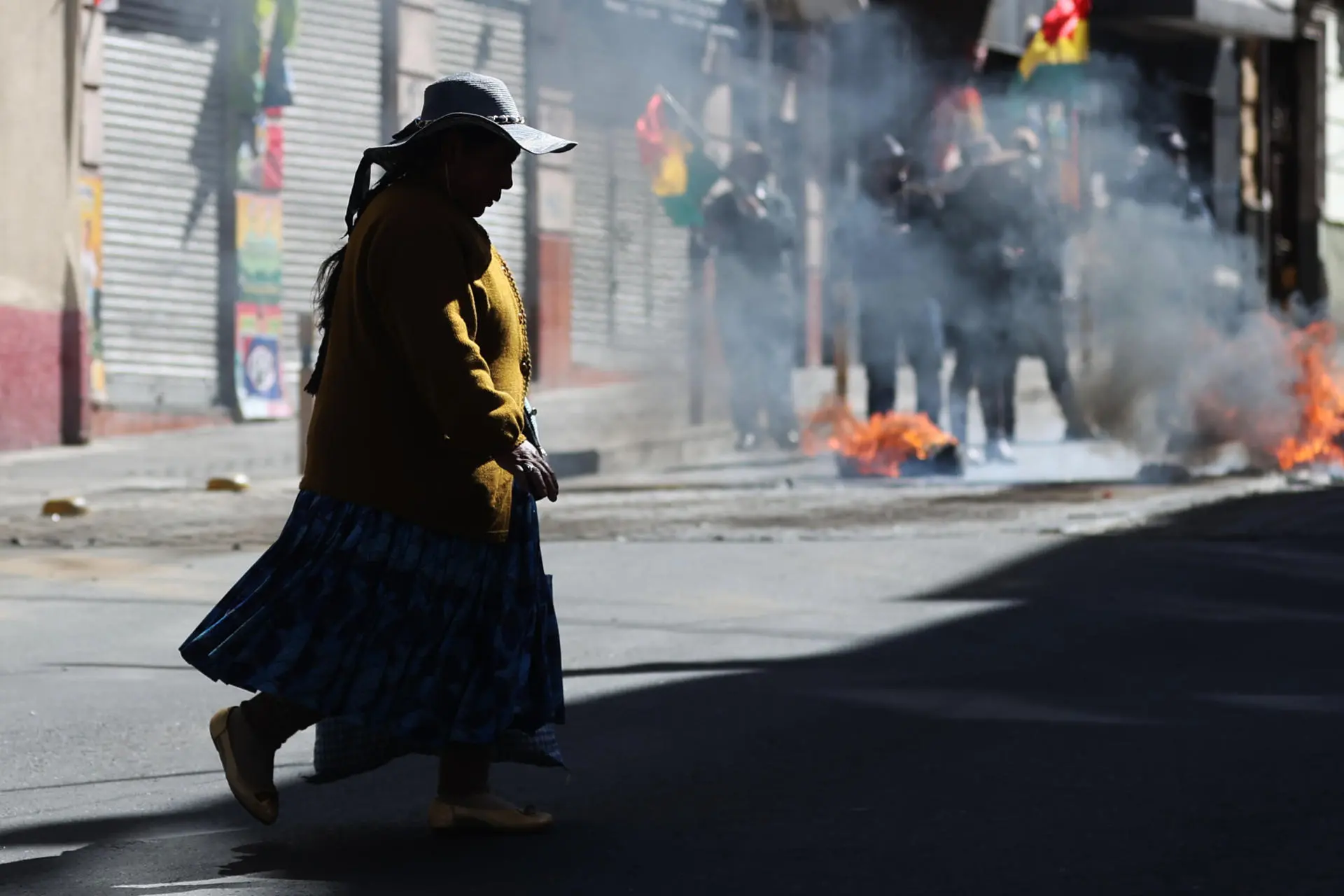
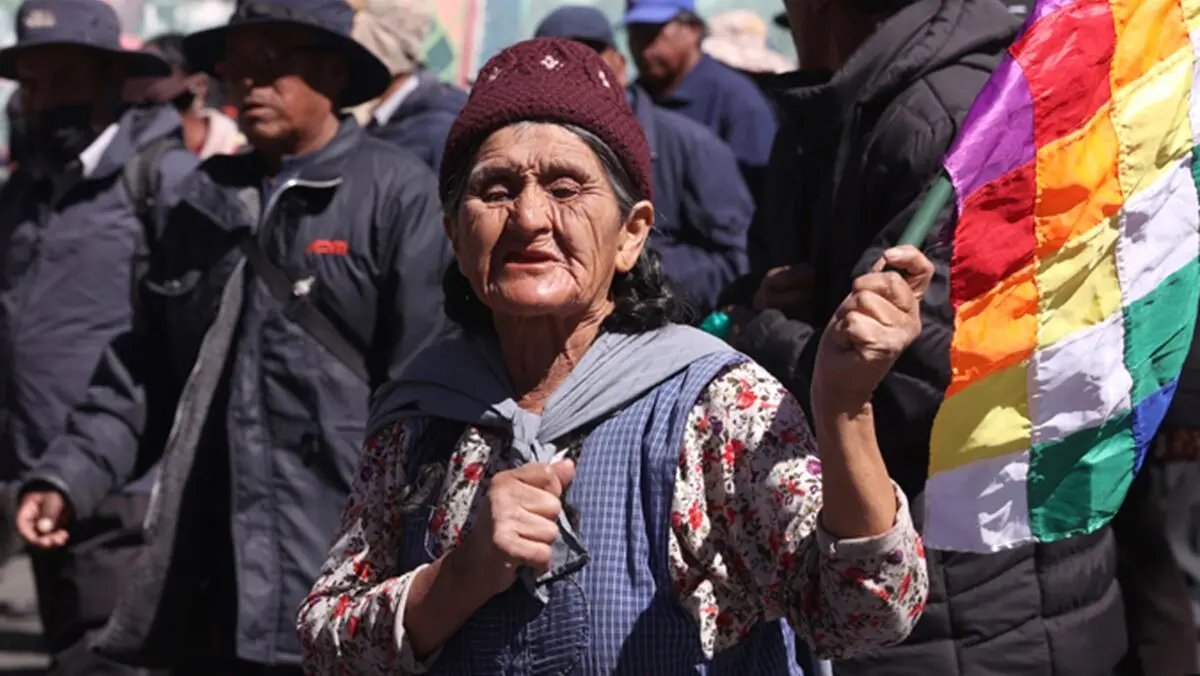
Teachers questioned the lack of justice for workers, as well as pointing out the precarious working conditions in the sector, with thousands of members in Bolivia. Photo: EFE.
April 22, 2026 Hour: 8:43 pm
🔗 Comparte este artículo
Bolivia’s police forcefully repressed today a peaceful demonstration by teachers who were protesting for increased budget allocations and against Government attempts to privatize education.
The educators denounced that they were kicked, sprayed with chemical agents, and shoved by police officers during their march in La Paz, highlighting a significant escalation in tensions between the government and the education sector over labor rights and public policy.
This incident has drawn sharp criticism from union leaders and human rights advocates, underscoring concerns about the state’s response to peaceful dissent in the nation.
RELATED: Peasant and Indigenous Sectors Reject Land Classification Change in Bolivia
This aggressive intervention, according to the Teacher’s Union, was an unwarranted act of force against a sector that is merely seeking justice and improved conditions for its members and for the national education system.
The teachers’ grievances stem from long-standing issues that have been exacerbated by current economic policies, which they argue threaten the quality and accessibility of public education across the country, affecting millions of students. The union emphasized that such exploitative conditions are unacceptable and demand immediate governmental attention and reform.
Text reads: “At the gates of the Confederation of Rural Education Teachers of Bolivia (CONMERB), rural teachers reproach the police repression that occurred in the vicinity of the Ministry of Education. They denounce that gasification hurt mostly female teachers. Likewise, they announce the sector’s resolution after the mobilization day.”
The teachers vociferously questioned the lack of justice for workers, pointing out the precarious labor conditions prevalent in the sector. They specifically highlighted that many staff, including janitors and even teachers, are forced to work up to 72 hours a week without even reaching the national minimum wage. This severe disparity, affecting thousands of affiliated members across Bolivia, contributes to widespread discontent and instability within the public education system, making it challenging to attract and retain qualified professionals.
Education Right At Risk
During their organized protest, the teachers unequivocally rejected what they perceive as attempts to privatize the educational system through a proposed “50/50” model. This controversial model seeks to redistribute fiscal revenue between the central Government and subnational Governments.
Educators fear that this could lead to a decentralization of funding that disproportionately benefits private institutions or weakens public education’s financial base. They argue that such a policy would fundamentally undermine the principle of universal, free and quality public education, potentially creating a two-tiered system that exacerbates social inequalities and limits opportunities for children from lower-income families.
The teachers’ union formally announced a forthcoming march from Calamarca to La Paz, signaling their resolve to continue their struggle through sustained mobilization. The union leaders emphatically affirmed that they would not permit any Government to “trample the teaching profession”, reflecting the deep-seated malaise within the educational sector caused by the prevailing economic situation and official policies.
This strong declaration underscores the educators’ commitment to defending their rights and the integrity of public education, even in the face of governmental repression, highlighting the critical nature of their fight for social justice.
Currently, Bolivia boasts a substantial workforce of 180,000 state teachers, a testament to the scale and importance of its public education system. This past Monday, approximately 2,000 rural teachers also took to the streets in central La Paz, specifically demanding salary improvements. This significant mobilization marks one of the first major actions by the sector under the administration of right-wing President Rodrigo Paz, indicating a growing wave of dissatisfaction and activism among educators across the country.
The teachers’ demands extend beyond mere wage increases; they encompass a fundamental call for increased investment in public education, guaranteed job security, and an end to policies that could lead to the privatization or underfunding of the sector. The confrontational response from the police, involving physical force and chemical agents, has only served to harden the teachers’ resolve, transforming their professional grievances into a broader struggle for democratic rights and the protection of public goods in Bolivia.
Author: Laura V. Mor
Source: Agencies