







Elections in Peru: Roberto Sanchez Ahead As Vote Count Advances
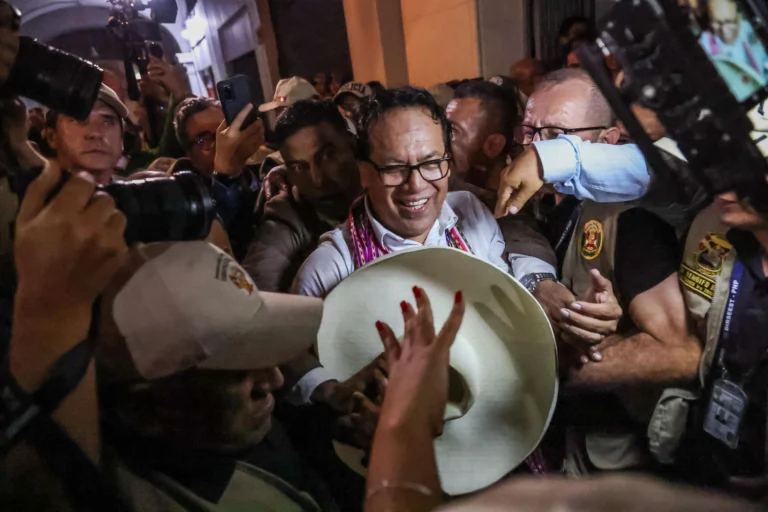
The presidential candidate Roberto Sánchez reiterated his call to wait and respect the official results of the second round elections. Photo: EFE.
June 8, 2026 Hour: 11:14 pm
🔗 Comparte este artículo
The Peru’s progressive presidential candidate Roberto Sánchez holds a narrow advantage of over 27,000 votes as rural ballots continue to arrive at the counting centers.
The Peruvian National Office of Electoral Process (ONPE, in Spanish) continued updating the preliminary official results of the presidential runoff hold on June 7.
According to the official data portal, the left-wing candidate from Together for Peru (Juntos por el Perú, in Spanish) secured the lead after electoral authorities processed the ballots from the crucial election.
RELATED: Peru Votes to Choose Its 9th President in Ten Years
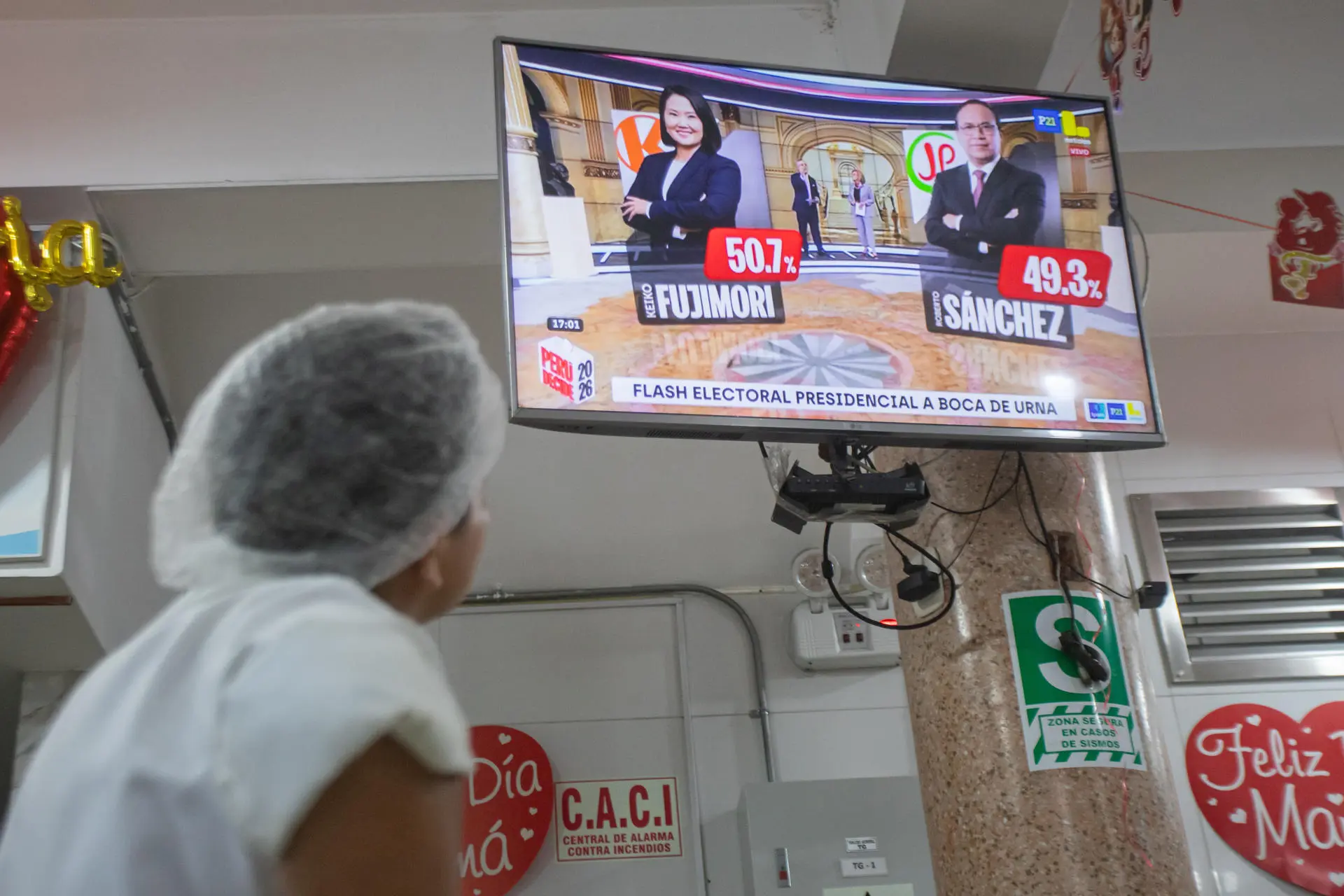
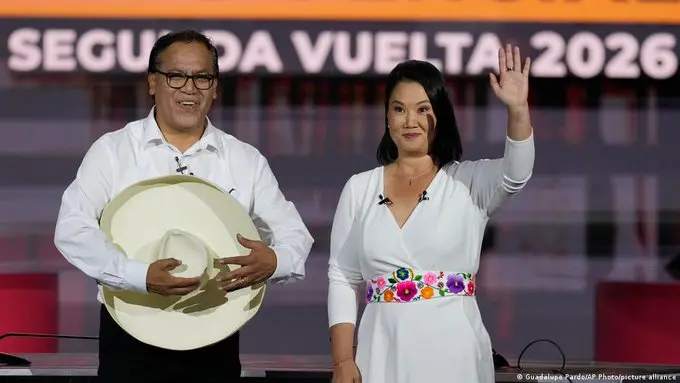
The technical data provided by the official agency placed Roberto Sánchez with 50.109% of the valid votes, representing a total of 8,871,102 ballots. In contrast, Keiko Fujimori, who represents the conservative party Popular Force (Fuerza Popular, in Spanish) and is the daughter of former dictator Alberto Fujimori, obtained 49.981% of the processed votes, corresponding to 8,832,450 ballots.
The counting process remains close, but it confirms the structural trend expected by electoral analysts, who predicted that rural votes would favor the left-wing coalition.
Text reads: “Results update: Minutes accounted for 95.002% for the president and vice presidents at 7:42 PM on June 8. See the results here https://resultadosegundavuelta.onpe.gob.pe“
Sanchez Takes Lead
The progressive candidate benefits from the gradual integration of voting sheets coming from rural areas and remote provinces, known historically as deep Peru. The left-wing platform maintains its strongest popular support in these agricultural and mountainous regions.
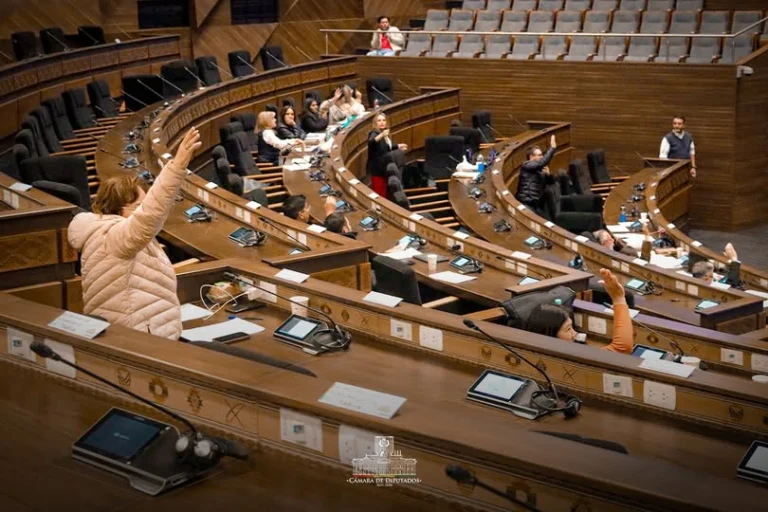
Following his participation in a legislative session at the Congress of the Republic, Roberto Sánchez urged all political sectors and citizens to remain calm. The candidate expressed confidence regarding the final results but emphasized the democratic necessity of waiting for the National Office of Electoral Process to process 100% of the voting material.
Furthermore, the progressive candidate issued a clear and categoric appeal to all political actors to respect the final institutional outcome of the presidential runoff. Roberto Sánchez emphasized that the South American nation urgently needs stability to face its economic and social challenges, regardless of the final margin.
The division of votes reflects the deep geographic fragmentation of the country, where the southern regions and agricultural provinces have massively supported the progressive proposal of Together for Peru Party. These sectors demand structural reforms to improve public services and defend natural resources.
For it part, the far right-wing campaign of Popular Force centered its efforts on the capital city of Lima and major northern urban centers. Despite their campaign, the conservative sectors face a difficult scenario as the final rural votes are registered. Keiko Fujimori, the party’s candidate, affirmed that she will respect the final results.
Democratic Process Monitored
For this historic democratic jornada on June 7 electoral authorities summoned more than 27.3 million citizens to cast their ballots across the country. To facilitate the voting process, the state installed 90,223 polling stations throughout the national territory, ensuring access for rural and urban populations alike.
Official sources reported that the entire electoral process was subject to intense national and international fiscalization. International observation missions that monitored the voting process confirmed that no major incidents occurred during the day. These observers congratulated the Peruvian population for their civic participation and urged all political organizations to wait patiently for the final official reports.
This close election occurs in a polarized political environment, where citizens demand institutional reforms and economic stability. The upcoming President will govern Peru for the constitutional period of 2026-2031, a term marked by the need to rebuild social consensus and strengthen the democratic institutions of the Andean nation.
Author: Laura V. Mor