







Australia Begins Enforcing Under-16 Social Media Ban Amid Questions Over Compliance and Global Interest
Australia’s under-16 social media ban enters its first days with broad support, mixed industry reactions and heightened global scrutiny.
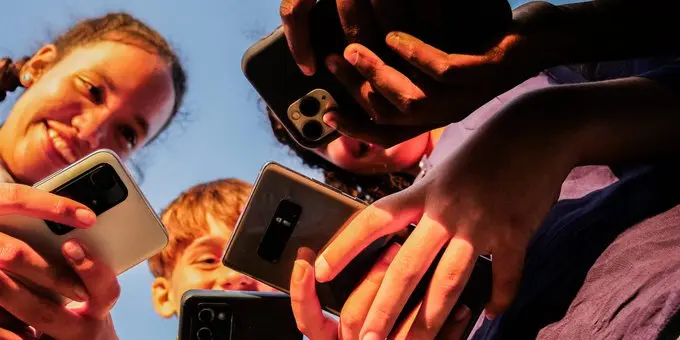
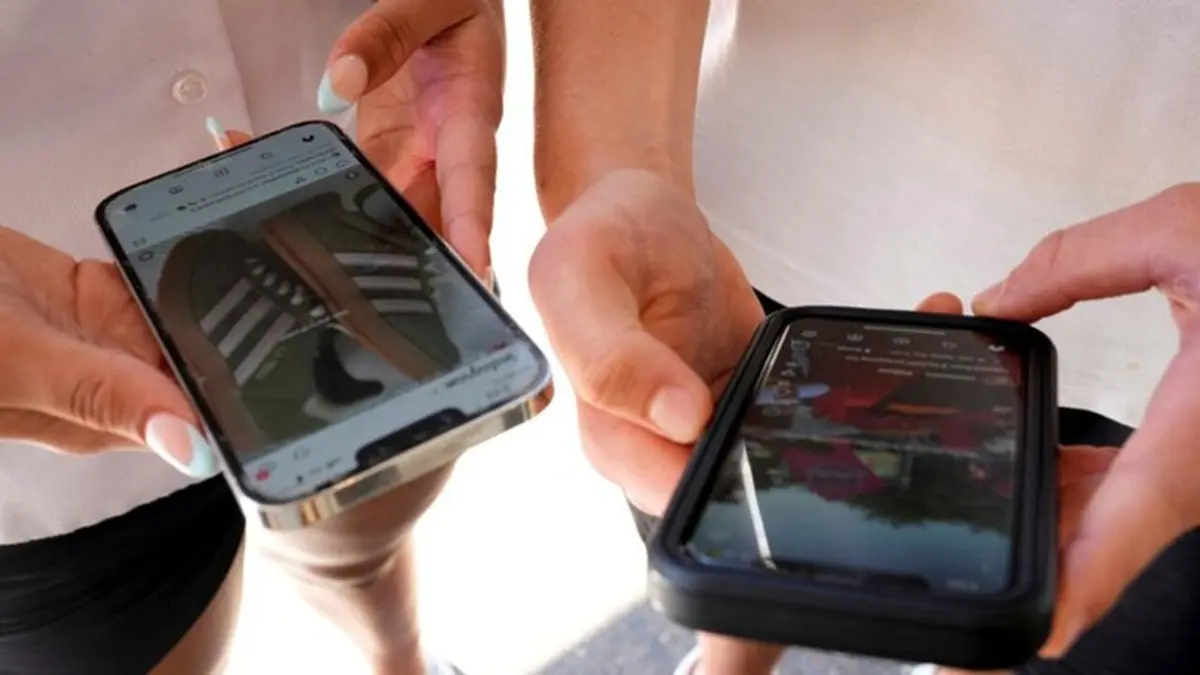
Students use mobile devices at a Canberra school as Australia begins enforcing its nationwide under-16 social media ban. Photo: @TechInsider
December 11, 2025 Hour: 6:57 am
🔗 Comparte este artículo
Australia’s new nationwide ban on social media access for users under 16 entered its first days of enforcement, drawing strong political backing and broad parental support while exposing early challenges for platforms and regulators.
RELATED:
Malaysia to Restrict Social Media Access for Under-16s from 2026
Prime Minister Anthony Albanese defended the measure on Thursday, acknowledging an uneven rollout but stressing its long-term goal. “This is the law, this isn’t something that can be flouted,” he told Sky News. He noted that some underage users were posting about remaining online, adding, “That just tells the platforms who they are, and so it will be taken down.”
The law, which took effect on Wednesday, has bipartisan support and is backed by around three-quarters of Australian parents. It requires ten major platforms — including TikTok, Instagram, YouTube, Snapchat, Twitch, Reddit and Australian-owned Kick — to block users under 16 or risk fines of up to A$49.5 million. Officials say it will take time for platforms to fully implement the required systems.
Communications Minister Anika Wells said the eSafety Commissioner would ask all covered platforms to report how many under-16 accounts they had before and after the ban took effect.
The policy has drawn attention from governments considering similar approaches. U.S. Republican senator Josh Hawley publicly endorsed the ban, while France, Denmark, Malaysia and others have signaled plans to emulate the model. U.S. psychologist Jonathan Haidt also weighed in, writing “Bravo Australia” on X.
Platform responses remain mixed. Meta reiterated its opposition, citing concerns from experts, advocates and parent groups that the law could push teenagers toward less regulated corners of the internet. “This will result in inconsistent application of the law and ultimately does not make young people safer,” a spokesperson said. TikTok and Snap declined to comment, and several other platforms were not immediately available.
UNICEF warned that age restrictions cannot function on their own, saying, “Laws introducing age restrictions are not an alternative to companies improving platform design and content moderation.”
As the law took effect, platforms not covered by the ban saw a spike in downloads. Lemon8, owned by ByteDance, introduced a minimum age of 16, while photo-sharing app Yope reported “very fast growth” to about 100,000 Australian users, about half of whom were over 16. Yope told regulators it considered itself a private messaging service rather than social media.
VPN use surged sharply ahead of the policy change. Public Google data showed the highest level of VPN-related searches in a decade in the week before the law came into force. Windscribe, a free VPN provider, reported a 400% increase in installations in the 24 hours after the ban began, while hide.me said visits from Australia rose 65% in the preceding days.
Visiting a school in Canberra, Albanese said the measure would also support classroom performance and student interaction, noting that “you get better social interaction when students aren’t subject to looking at their devices constantly.”
Authorities say the list of regulated platforms will remain “dynamic” as the digital market shifts. The coming months will test whether Australia’s model can meaningfully restrict under-16 access — and whether other governments will follow.
Author: MK
Source: Reuters