







Argentina Eliminates Judicial Transparency Controls

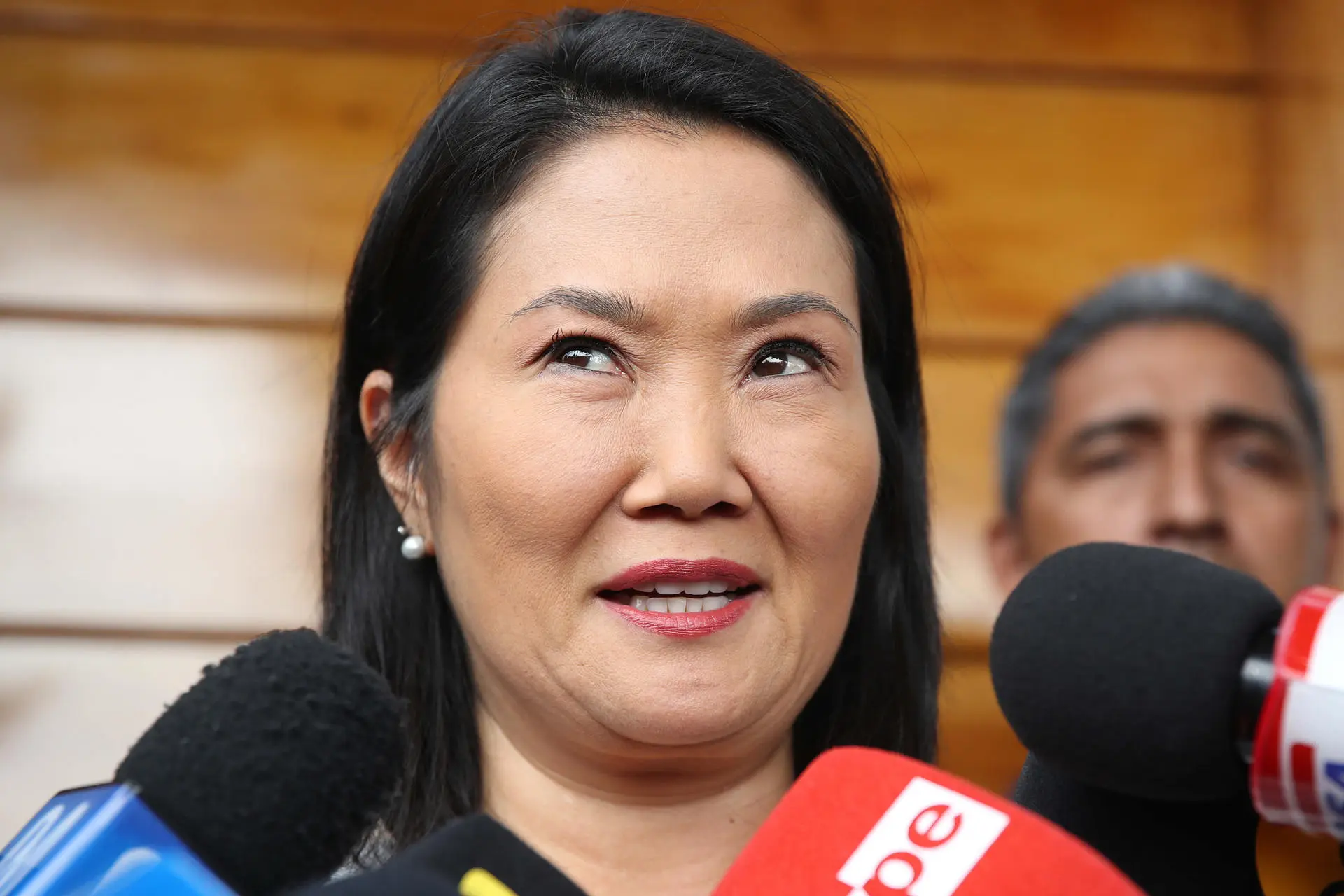
The measure, signed jointly by the president and the Minister of Justice, Juan Bautista Mahiques, substantially alters the historical regulatory decrees 222 and 588 approved in 2003. Photo: EFE.
June 16, 2026 Hour: 4:40 pm
🔗 Comparte este artículo
Argentina’s President Javier Milei signed this Tuesday a decree eliminating citizen participation and transparency controls in the selection process for Supreme Court judges, modifying historic federal regulations.
Under the pretext of modernization and administrative simplification, the newly signed executive decree eliminates essential layers of public scrutiny in Argentina.
The Milei’s Government argues that because the Senate ultimately reviews these appointments, the preliminary public phases represent a redundant bureaucratic duplication.
RELATED: 7 Urgent Signs Argentina activists Libya Detention Is Deepening the Crisis
However, constitutional experts point out that this rationale conveniently ignores how these historic regulations, originally established in 2003, provided an essential democratic framework of transparency that the nation had never experienced before.
The Decree’s Changes
The newly approved and published decree (467/2026) completely removes the mechanism that allowed non-governmental organizations and professional associations to submit objections regarding the suitability of candidates. Furthermore, the regulation curtails public access to information by repealing the obligation to publish the candidates’ assets and professional backgrounds in national print media. Instead, this crucial data will only appear on the digital platforms of the Ministry of Justice and inside the Official Gazette, limiting the reach of public accountability.
Specifically, the measure repeals the long-standing obligation to publish nominations and candidate backgrounds in national print newspapers. From now on, the public dissemination of these candidacies will be restricted exclusively to the institutional website of the Ministry of Justice. This digital-only approach severely limits public reach, making it significantly harder for civil society organizations and citizens to access vital background information.
In addition to reducing public scrutiny, the decree eliminates the State obligation to prioritize gender diversity, regional representation and legal specialization when choosing candidates. These requirements, initially codified under Decree 222, were designed to guarantee that the highest court represents a federal nation. The ruling party claimed these standards are merely discretionary, but critics argue that removing them undermines the federal character of the Judicial Power. By dismissing these standards, the new policy enables arbitrary nominations that ignore regional and gender equity in Argentina.
The new decree also alters Decree 588, signed in August 2003. This regulation applied the rigorous selection criteria of Decree 222 to other crucial federal positions, including the Procurator General of the Nation, the Defensor General of the Nation, and all lower-level federal judges. Consequently, this deregulation degrades transparency across the entire federal judicial system.
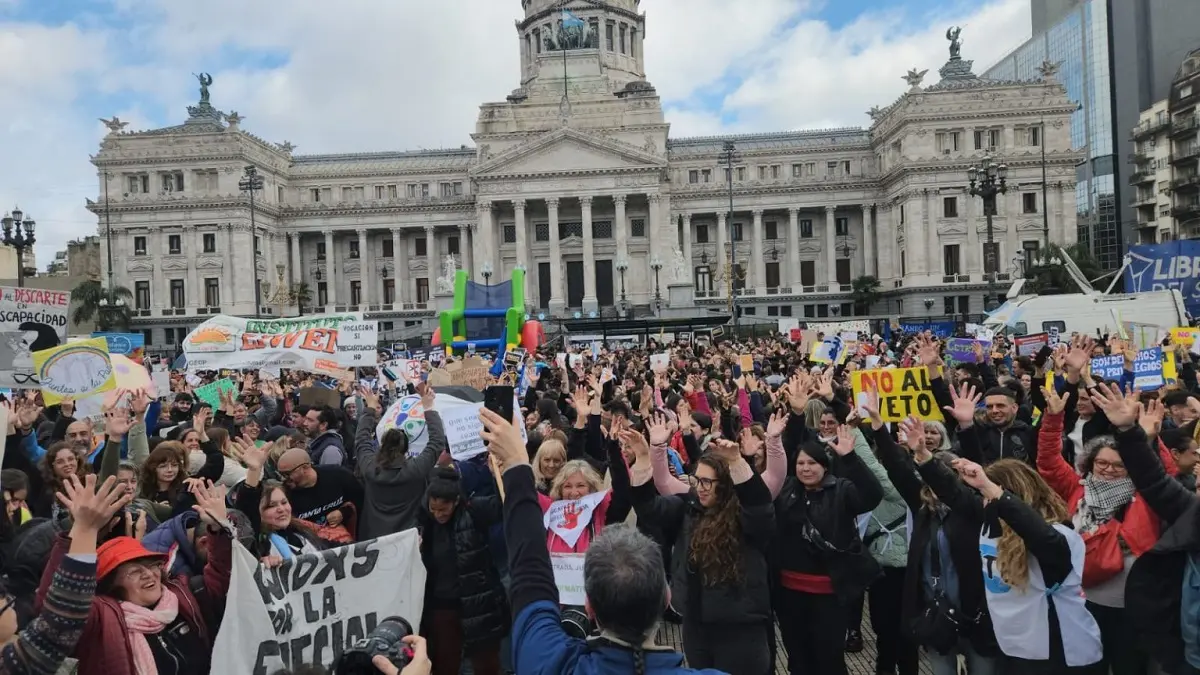
The administration’s decision to bypass public evaluation has raised alarms among international Human Rights watchdogs, who observe a systematic erosion of democratic institutions in the South American country.
This policy shift occurs directly after the Argentinean Senate approved a package of 74 appointments for federal judges and prosecutors, highlighting the Government’s rush to reform the judicial selection framework. However, social organizations and legal experts warn that this represents a severe setback for institutional transparency in Argentina.
Historical Precedents Bypassed
Historically, very few administrations have dared to bypass the transparency standards of Decree 222. The first head of State to do so was former President Mauricio Macri, who attempted to appoint Carlos Rosenkrantz and Horacio Rosatti to the Supreme Court by decree, though he was ultimately forced to backtrack under heavy political pressure.
The second one to ignore these institutional norms is Javier Milei. Earlier in his administration, the President bypassed these guidelines when he nominated federal judge Ariel Lijo and academic Manuel García-Mansilla to the nation’s highest tribunal.
While Manuel García-Mansilla initially assumed office under these controversial conditions, the ensuing institutional scandal and widespread public outcry regarding the illegitimacy of his appointment left him with no choice but to resign.
By formalizing these modifications, the Executive Power institutionalizes a process that bypasses public accountability. While dismantling these historic transparency safeguards, President Javier Milei confirmed his next international travel. On July 4, the president will travel to the United States to participate in independence day celebrations, marking his 18th international trip since assuming office.
Author: Laura V. Mor
Source: Pagina 12 / Tiempo Argentino