







The World Cup: Between Wars, Silence, and Dreams
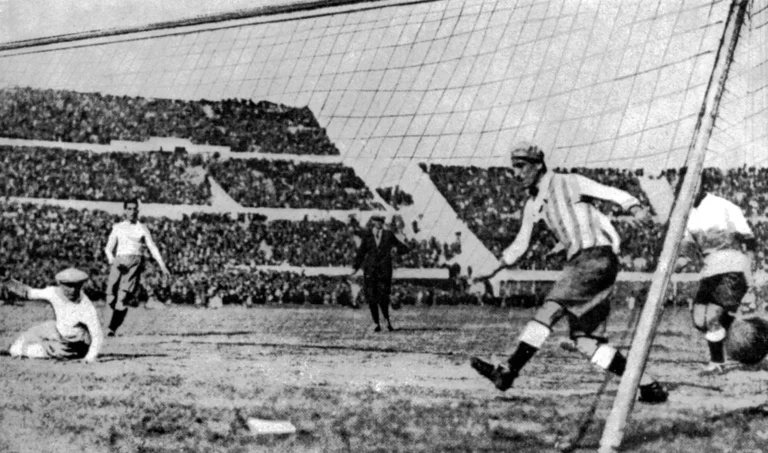
Photo: Archive
June 10, 2026 Hour: 11:47 am
🔗 Comparte este artículo
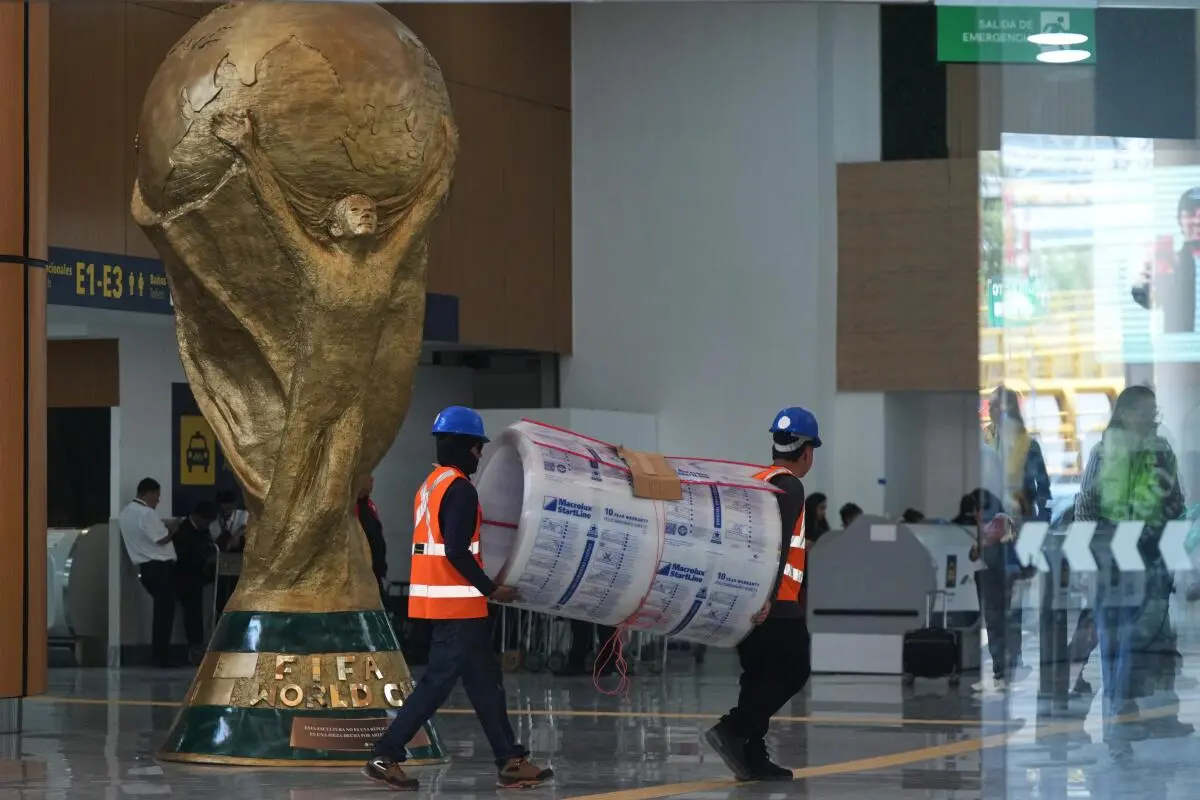
The FIFA World Cup was born in 1930 on the luminous sidewalk of Montevideo, when this sport still walked barefoot through the mists of modernity and the world began to discover a common stage capable of bringing all nations together.
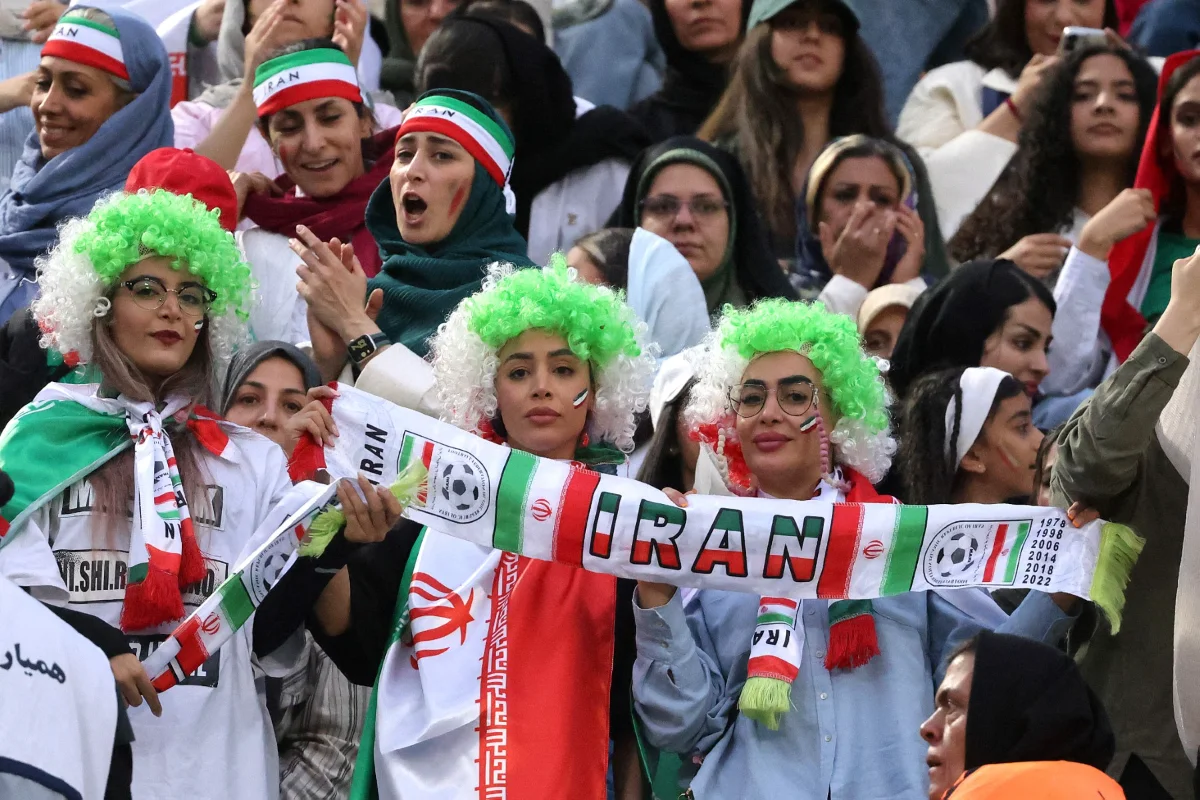
Related: Iran Arrives in Mexico Amid World Cup Visa Dispute
Uruguay, host and Olympic champion, lifted the trophy before a stadium bursting with passion, inaugurating a planetary ritual that, in its long journey to Qatar 2022, became a parallel chronicle of human history, with its lights, its scars, and its exiles of truncated dreams.
The World Cup grew among rivers of statistics and sublimated rages, from fascist Italy in 1934 to France in 1938, which played under the breath of a war already brewing in European barracks.
Along this path, the tournament forged itself as a mirror of politics: every goal, every flag, every silence from the stands seemed to repeat the heartbeat of a continent on the edge of the abyss.
When World War II turned the old continent into a field of ruins, the World Cup stopped abruptly, as if the planet had forgotten to breathe.
World Cup editions between 1942-1946
The 1942 and 1946 editions were never played, and the football universe remained in suspense, suspended between bombs and unplayed matches.
For an entire generation of players, the World Cup became a place they never set foot on, a horizon they never reached: footballers who shone in national leagues, in heartfelt derbies and neighborhood cups, but whose greatness remained locked within lines of local press statistics, without the consecration of the world stage.
Their names don’t appear in sticker albums or in the tales of legendary narrators, because the tournament stopped for twelve years, between 1938 and 1950.
Many of them retired tired, with hardened feet and light hearts, carrying the weight of a “would have been” that never unfolded under the spotlights.
The Return of World Cup
The World Cup beat again in Brazil 1950, when the Maracanã stadium filled with Brazilian hope that crashed against Uruguayan lucidity in the famous “Maracanazo,” a blow of realism that reminded us that football doesn’t always reward the strongest, but the most astute.
Since then, the tournament has been woven as a mosaic of legends: Germany’s miracle in 1954, the birth of Pelé’s myth in Sweden 1958, the explosion of English identity in 1966, Brazil’s aesthetic perfection in Mexico 1970, Argentina’s political passion in 1978, and the brilliant chaos of Diego Armando Maradona in Mexico 1986, where a man of human stature and titan’s heart drew with his right foot the history of an entire generation.
Between 1990 and 2018, the World Cup transformed into a giant of televisions and social networks, expanding to 32 teams and opening doors to Africa, Asia, and Central America. Football was no longer just a conversation between Europeans and South Americans, but a planetary parliament, where each team brought with them the weight of their history, their migrations, and their local heroes.
Italy 1990, United States 1994, France 1998, Korea-Japan 2002, Germany 2006, South Africa 2010, Brazil 2014, and Russia 2018 were windows into a world that seemed increasingly smaller and, at the same time, more complex.
And so, between penalties decided with hearts in throats and matches that devoured hours of sleep, the World Cup arrived at Qatar 2022, a winter tournament in the middle of the desert, with air-conditioned stadiums and criticisms that flew faster than the balls, but also with the power to bring together on a handful of intensely green fields all the stories of those generations that never played.
It was in that titanic final, against France, that Argentina rose with its third title, with Lionel Messi touching the sky after two failed attempts, and a team of emotional warriors who closed cycles, cried, embraced, and remembered that football is also an act of memory.
The World Cup, then, has been more than a championship: it has been a journey through wars, silences, and glories, a mirror where the world recognizes itself, with its errors, its triumphs, and with that peculiar weakness of continuing to believe that a single goal can change the mood of an entire country.
From Uruguay 1930 to Qatar 2022, the tournament has survived critical interruptions, forced absences, and historical frustrations and, despite everything, has remained the same: the only place where a footballer can become a legend without asking time for permission.
Author: Boris Luis Cabrera
Source: teleSUR