







What to Know About First Major Iran-Israel Escalation Since Ceasefire
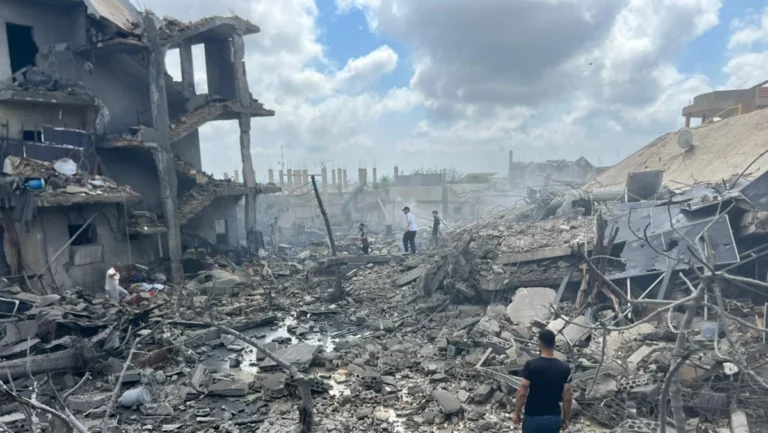
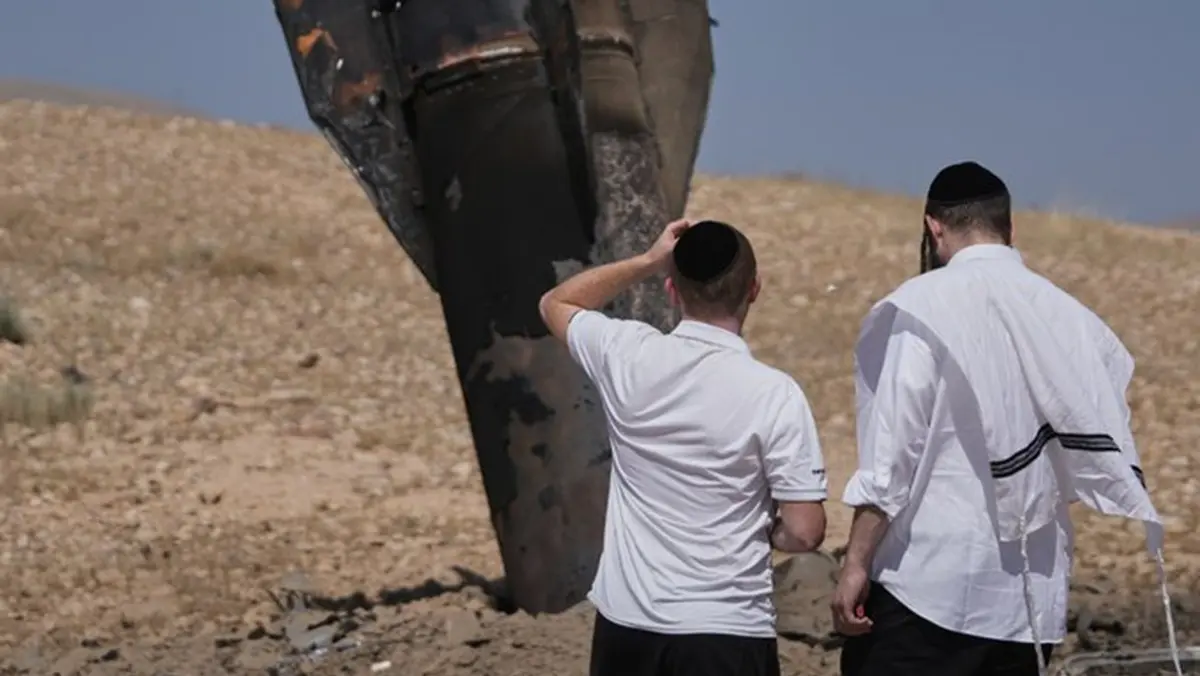
Consequences of the Israeli bombing in Lebanon, June 8, 2026. X/ @roqchams
June 8, 2026 Hour: 12:12 pm
🔗 Comparte este artículo
Houthi forces imposed a total ban on Israeli-linked shipping in the Red Sea.
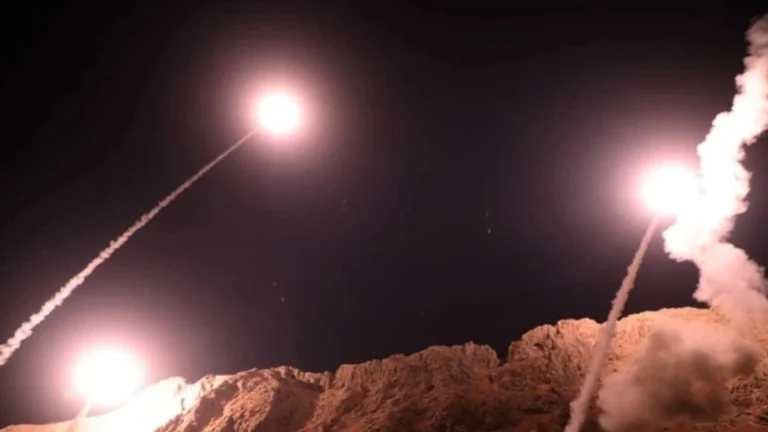
On Sunday night and Monday, Iran and Israel traded missile attacks in a major escalation that broke nearly two months of relative calm following the April 8 ceasefire.
RELATED:
Hamas Thanks Iran and Houthis for Missile Attacks on Israel
The flare-up has once again exposed the fragility of the truce and the long shadows over the prospects for regional peace, yet analysts say the possibility of negotiations still exists, albeit a diminishing one.
WHAT HAPPENED?
Iran on Sunday evening launched several waves of missiles at Israel, triggering widespread emergency measures, including school closures and instructions for civilians to take shelter in protected areas. Xinhua reporters based in Jerusalem heard air raid sirens and several explosions as Israeli air defense systems attempted to intercept the incoming missiles.
Iran’s attacks were quickly met with Israeli counterstrikes. Hours after the Iranian missile salvoes, the Israeli military said dozens of fighter jets had carried out a large-scale strike on strategic air defense systems in Iran.
The Israeli army said the targeted systems had recently been deployed across several parts of Iran, and the strikes destroyed a number of those systems and would further expand the Israeli Air Force’s operational freedom in Iranian airspace.
The Israeli military also said it had carried out strikes on infrastructure at the Mahshahr petrochemical complex in southwestern Iran and targeted facilities used to produce materials for Iran’s missile program.
Yemen’s Houthi forces also joined the fray on Monday, launching a barrage of missiles at what they described as Israel’s sensitive sites in the Jaffa area and imposing a total ban on Israeli-linked shipping in the Red Sea.
Israeli media reported that Iran launched 22 to 24 missiles and the Houthis fired two more. According to the Israeli military, all the missiles were intercepted. No injuries or fatalities were reported, though damage to homes was reported in northern Israel.
WHAT TRIGGERED THE ESCALATION?
The escalation came amid faltering U.S.-Iran talks and followed Israeli airstrikes on Sunday in the southern suburb of Beirut, the Lebanese capital, which killed at least two people.
In recent weeks, the Lebanese military group of Hezbollah has continued launching drones and rockets toward northern Israel, while the Israeli military has intensified its operations in Lebanon.
Alongside frequent airstrikes, Israel has renewed ground operations in southern Lebanon despite a ceasefire. Last week, Israel said it had captured the Beaufort Ridge, in what the media described as the country’s deepest incursion into Lebanon since 2000.
Iran, which is closely aligned with Hezbollah and considers the group a key part of its regional strategy, has repeatedly warned against any Israeli actions aimed at weakening the Lebanese group.
Following the Israeli attack on Beirut’s southern suburbs on Sunday, Ebrahim Rezaei, spokesman for the Iranian parliament’s National Security and Foreign Policy Committee, said Iran would give a “decisive and painful response” to the Israeli strike.
Iran views the continuation of these Israeli strikes as a test of the deterrence equation it has sought to establish during previous confrontations, according to Mohamed Mohsen Abo El-Nour, head of the Cairo-based Arab Forum for Analyzing Iranian Policies.
“Through these actions, Iran seeks to improve its image as a party capable of responding, rather than appearing weak or submissive to pressure,” said Jordanian public law professor and political analyst Muath Abu Dalou.
“It also aims to send messages to its regional allies that it remains present and supportive, especially in light of the Israeli escalation in Lebanon and attacks on areas Tehran considers strategically important,” Abu Dalou added.
WHAT WOULD HAPPEN NEXT?
The latest escalation between Israel and Iran has cast a shadow over the U.S.-Iran talks. U.S. President Donald Trump said on Monday that Israel and Iran must immediately stop the exchange of attacks.
In the latest developments on Monday, both Iran and Israel have reportedly announced a halt to attacks on each other, but the possibility of the conflict reigniting still exists.
In a statement, Iran’s main military command, the Khatam al-Anbiya Central Headquarters, warned that any further Israeli “aggression and malicious acts,” including in southern Lebanon, would trigger a much more “severe and crushing” response.
Israel, for its part, has not announced a stop to its military operations in Lebanon, which was the direct cause of the recent escalation.
An Israeli official was quoted by Channel 12 TV news as saying that Israeli strikes in southern Lebanon would continue in the coming days “at full force.”
On the impact of the fighting, El-Nour said, “I believe the renewed strikes place U.S.-Iran negotiations under an extremely sensitive test, but they do not necessarily signal their collapse.”
Current indicators suggest that the United States, Israel, and Iran all have an interest in avoiding a full-scale war, despite the exchange of harsh military messages, he noted.
Echoing the Egyptian analyst’s assessment, Abu Dalou said he also believes that the current conflict remains within a controllable range.
“I do not believe the current confrontation will entirely eliminate the possibility of a ceasefire or renewed negotiations,” he said. “However, it has made those prospects more fragile and more difficult to achieve in the near term.”
teleSUR/ JF
Source: Xinhua