







Venezuela-Russia Expand Bilateral Trade and Industrial Alliance at SPIEF 2026
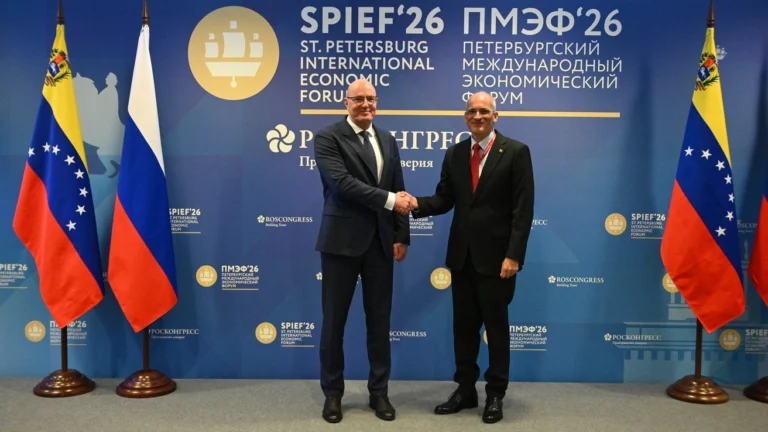
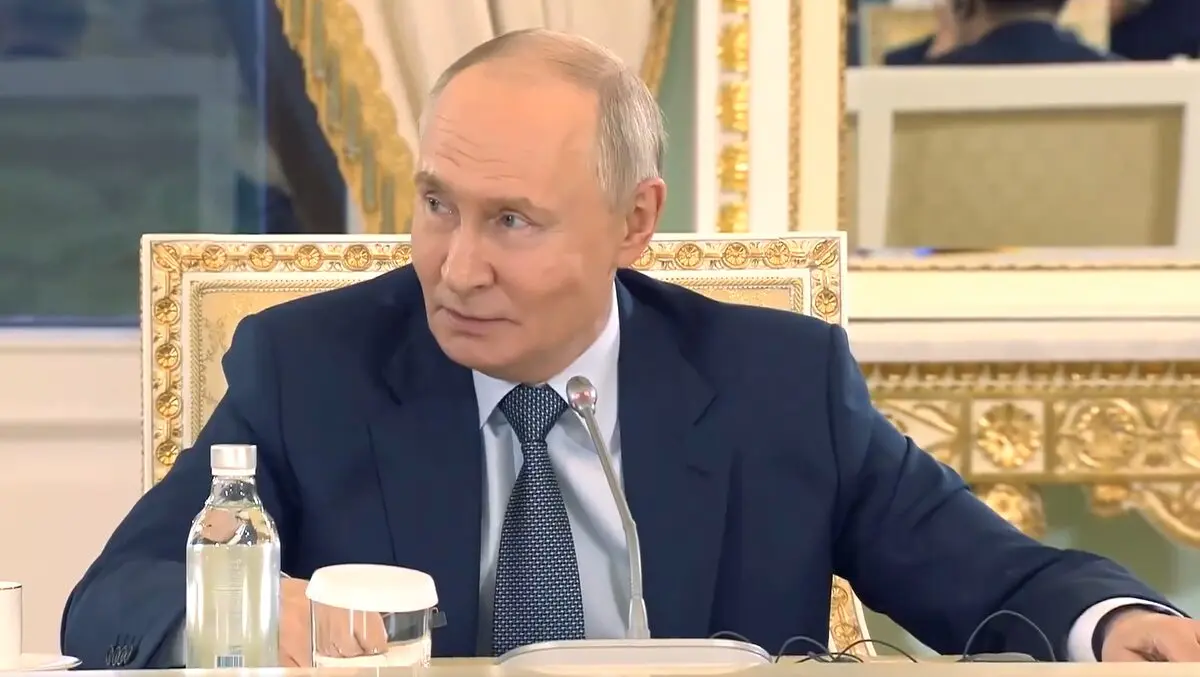
Venezuelan exports to Russia tripled, highlighting Russian corporations’ interest in purchasing sovereign commodities like cocoa, coffee and seafood. Photo: Russian Government.
June 5, 2026 Hour: 4:21 pm
🔗 Comparte este artículo
Caracas and Moscow advance a comprehensive development plan spanning strategic sectors, aiming to position Venezuela among Russia’s top ten Latin American trade partners.
Venezuelan Planning Minister Ricardo Menéndez and Russian Deputy Prime Minister Dmitry Chernyshenko met this Friday in St. Petersburg to consolidate their strategic bilateral cooperation roadmap until the year 2030.
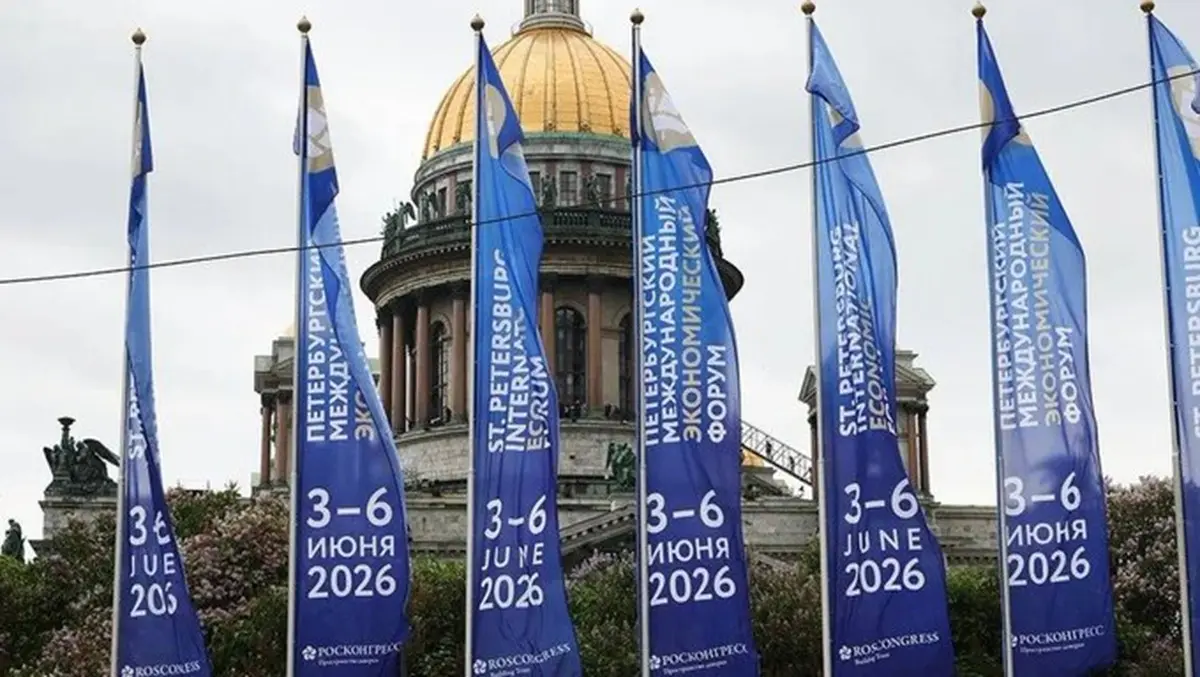
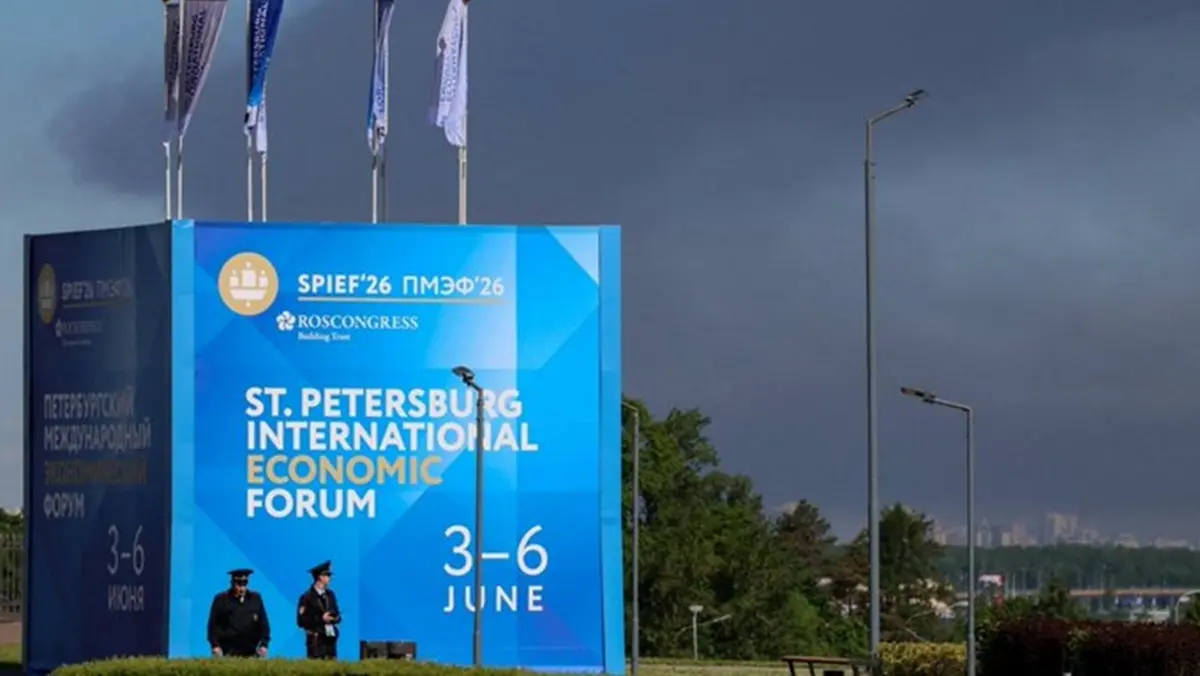
The high-level working meeting, executed within the framework of the XXIX St. Petersburg International Economic Forum (SPIEF 2026), served to review the extensive progress of the development plan designed for key areas of bilateral synergy.
RELATED: Russia Identifies Key Drivers to Spur Economic Growth
This strategic roadmap comprises exactly 65 measures across 20 critical sectors. The primary goal of this long-term agreement is to reach a bilateral trade volume of 400 million dollars by the end of the decade, a milestone that will firmly position the South American nation among the top ten trading partners of the Russian Federation in Latin America.
According to official statements from the Russian-Venezuelan High-Level Intergovernmental Commission, economic relations between both sovereign nations maintain a positive and steady momentum. Bilateral trade registered a solid growth of 9% at the close of the fiscal year 2025, reaching a total value of 217 million dollars. Specifically, Russian imports of Venezuelan agricultural exports tripled during this period, demonstrating the strong interest of Russian corporations in securing high-quality sovereign goods such as cocoa, coffee, and various seafood products.
To facilitate this trade, the Russian business group United Confectioners successfully inaugurated two cocoa pre-processing plants in the Venezuelan state of Sucre. Simultaneously, both Governments are advancing regulatory procedures to guarantee mutual access for livestock producers to international markets, thereby bypassing unilateral Western blockades and consolidating South-South integration.
Strategic Industrial Synergy
In the fields of public health, science and high technology, the bilateral delegations ratified the outstanding success of the Russian-Venezuelan Center for the Study and Prevention of Infectious Diseases. This scientific institution has already executed more than 40,000 joint diagnostic investigations, supported by the direct transfer of Russian mobile laboratories, advanced scientific equipment, and specialized medical diagnostics to Venezuela.
Furthermore, the representatives analyzed the ongoing localization project for insulin production within Venezuelan territory, which guarantees pharmaceutical sovereignty for the South American nation. Industrial cooperation also includes plans by the renowned Russian automotive manufacturer KamAZ to install an assembly plant in Venezuela, alongside the uninterrupted, optimal operation of the ground station for the Russian GLONASS satellite navigation system on Venezuelan soil.
Social and Cultural Integration
The bilateral agenda also emphasized social, educational and cultural integration. Russia has officially allocated 200 university scholarships for Venezuelan students to pursue higher education in Russian institutions. This educational exchange is complemented by the successful opening of five Russian language teaching centers in Venezuela over the past three years.
In the tourism sector, both nations highlighted the stability of direct, restriction-free commercial flights. To further boost this integration, a major bilateral business dialogue is scheduled for June 12. During this event, Venezuela will showcase its tourism potential with the largest pavilion at the “Let’s Travel!” International Tourism Forum.
Author: Laaura V. Mor
Source: Agencies