


Venezuela Honors Ali Primera’s Legacy In a New March of the Carnations
February 16, 2026 Hour: 5:29 pm
🔗 Comparte este artículo
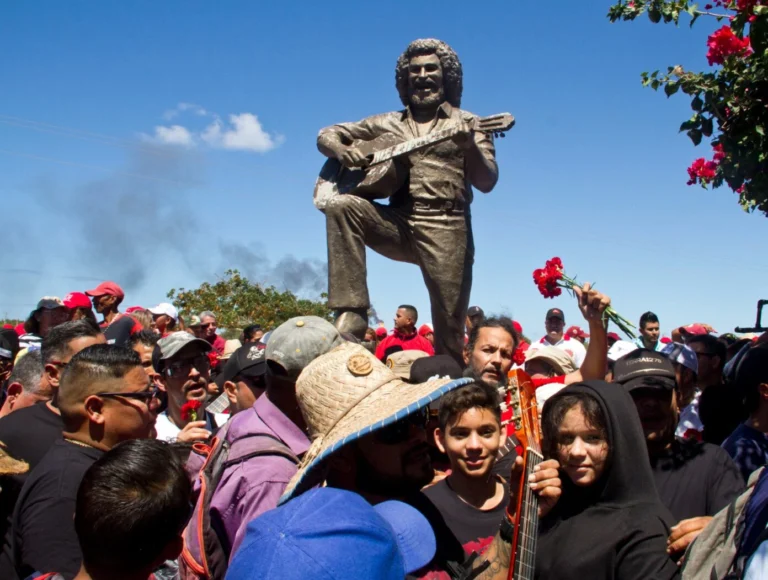
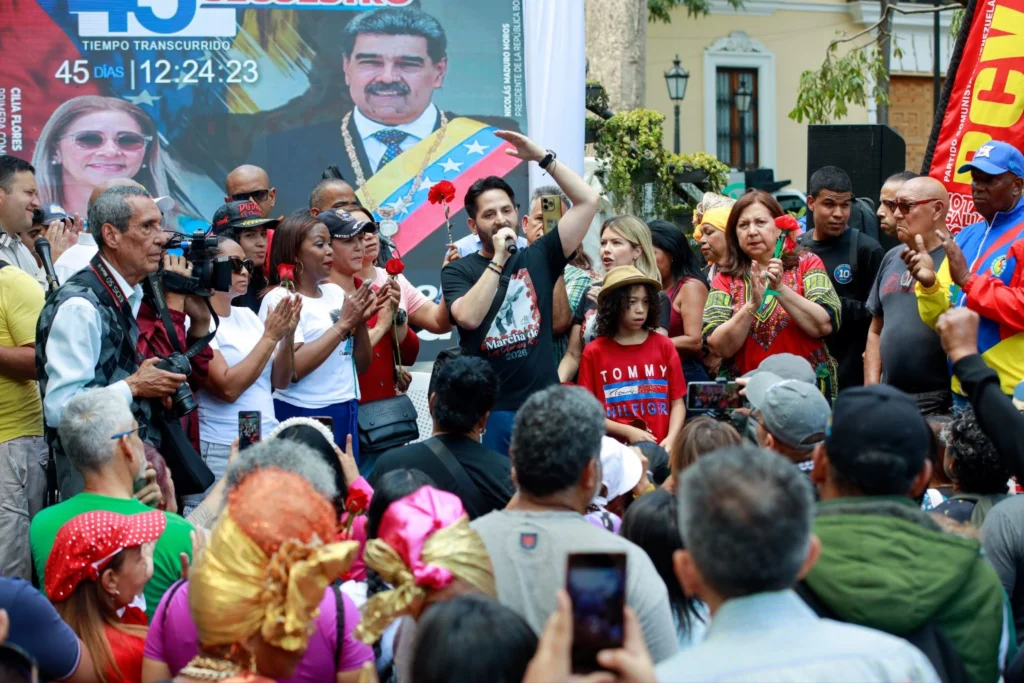
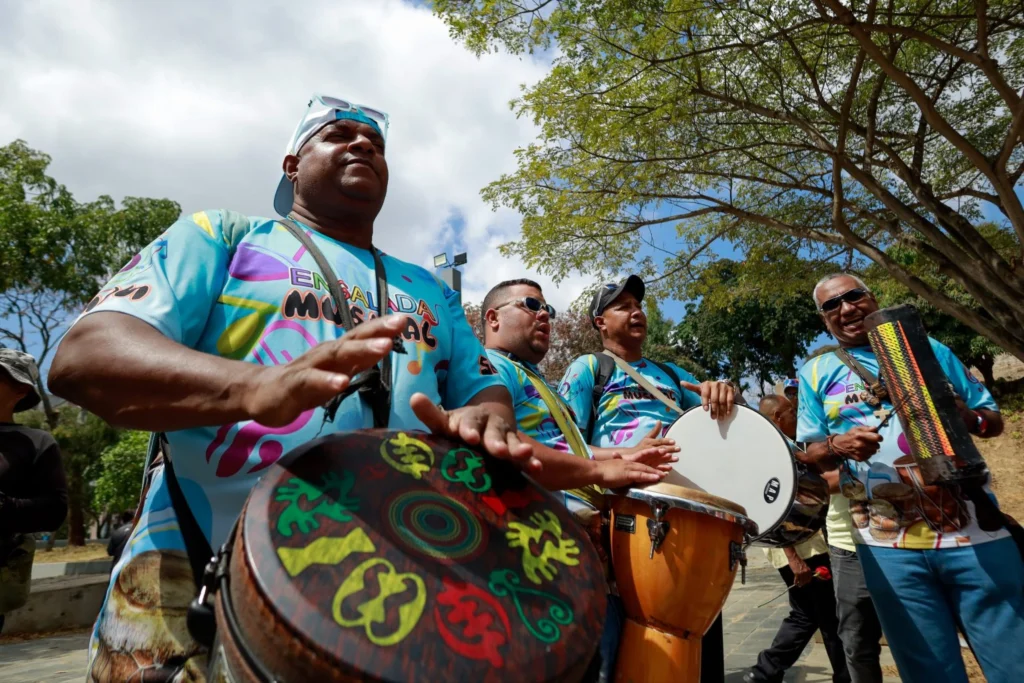
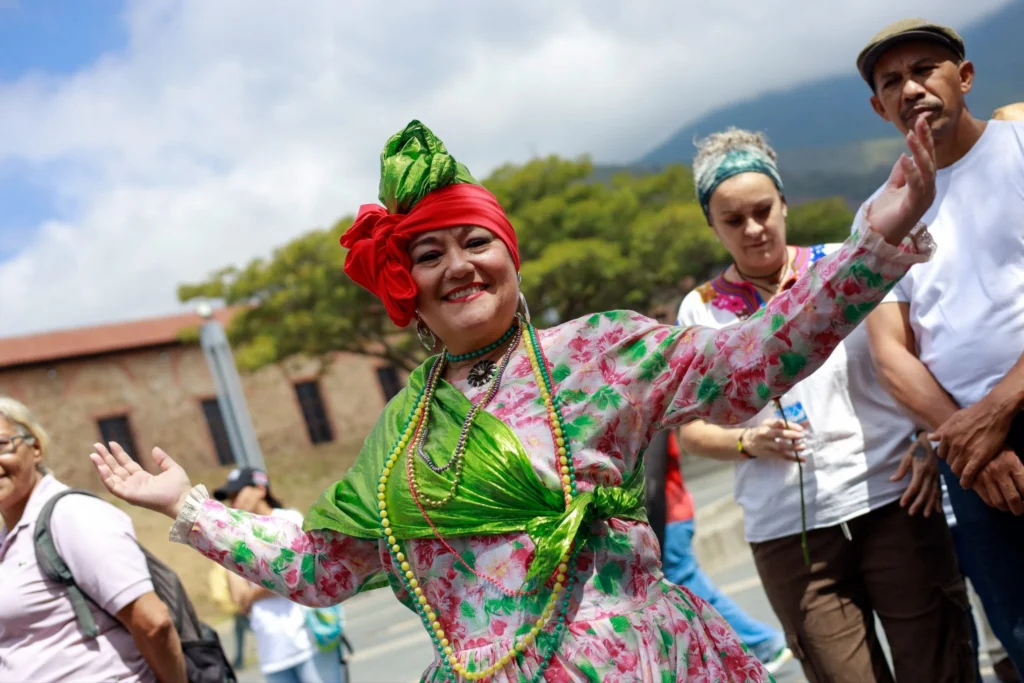
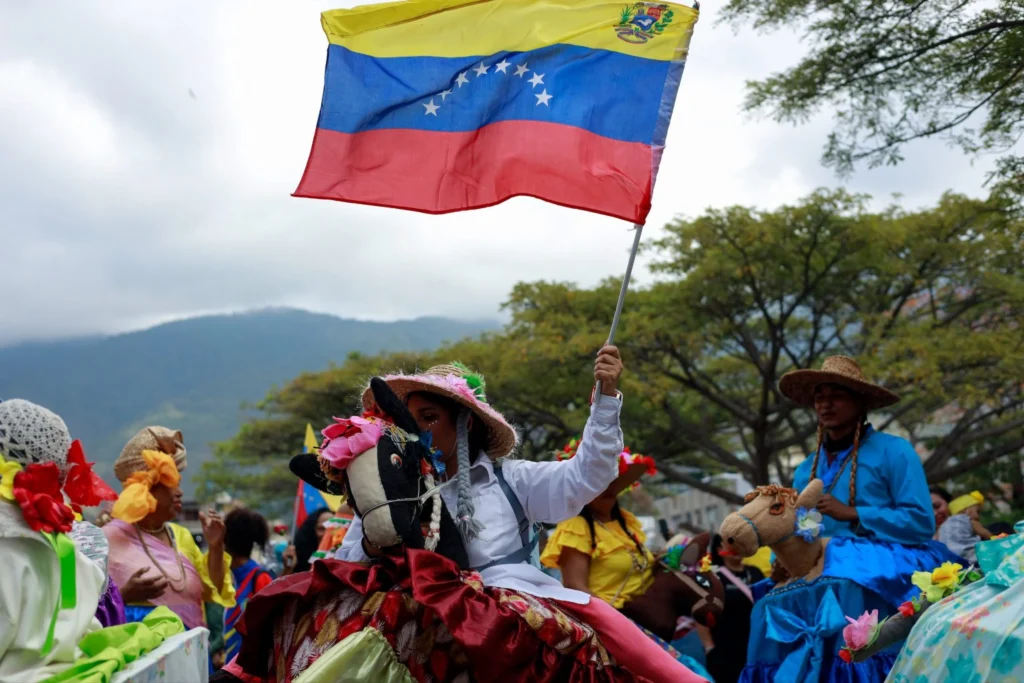
Venezuela held its traditional March of Carnations, commemorating 41 years since the passing of Ali Primera, reaffirming his commitment to social justice and denounce inequalities through his enduring musical legacy.
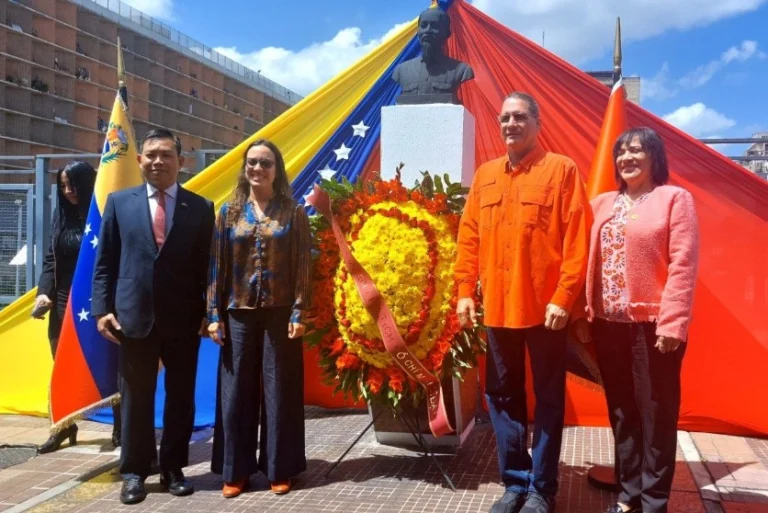
Popular cultors, writers, artists and promoters of culture paid homage on February 16, from the San Carlos Barrack to the town’s cantor, Ali Primera, ti pay tribute to the Venezuelan singer-songwriter, musician, poet, and political activist Ali Primera, 41 years after his passing.
RELATED: Venezuela Welcomes “Carnivals for Peace 2026”
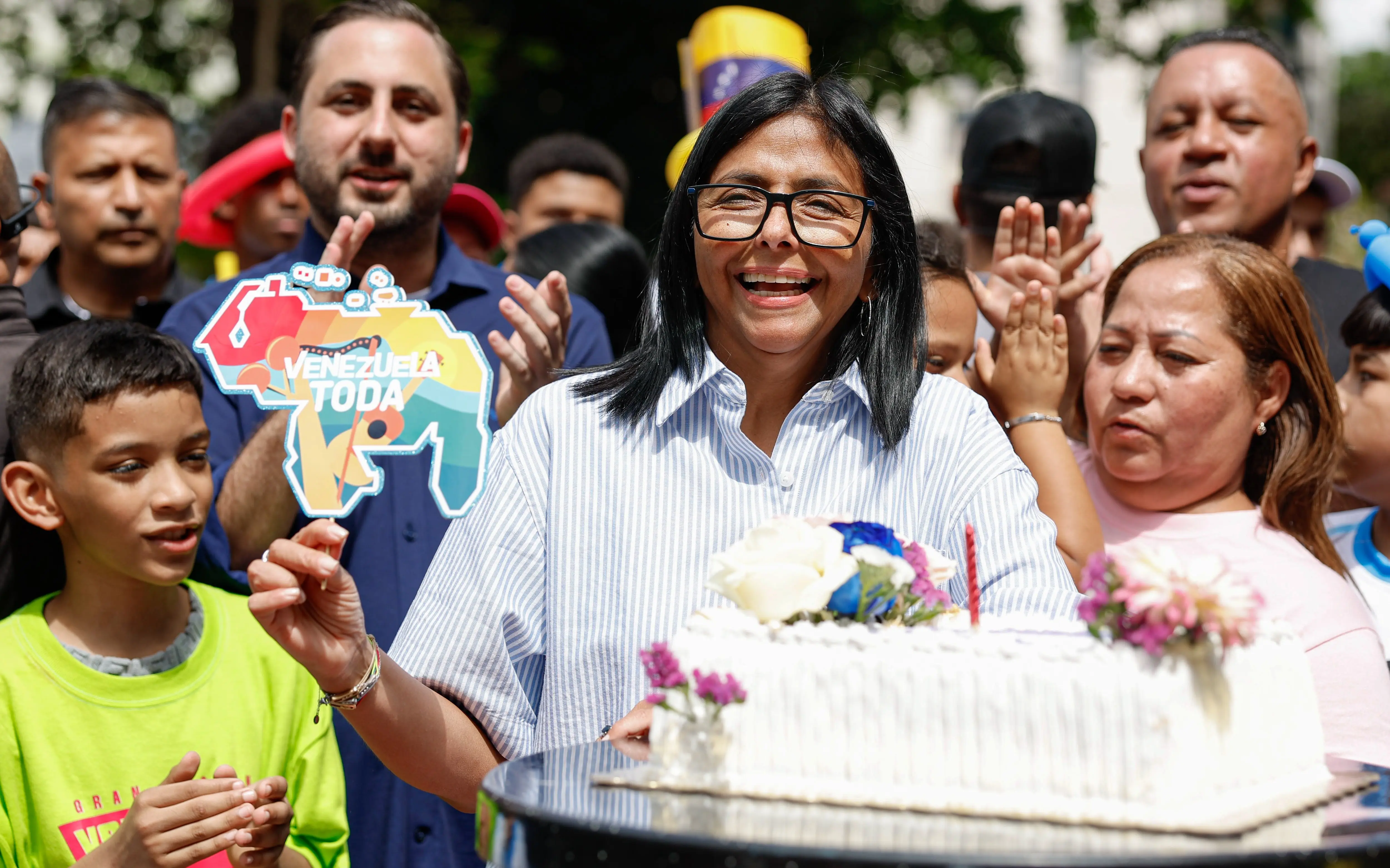
With a traditional March of Carnations, they made this meeting an act of love and hope, where they shared the message of the singer, keeping it alive.
The cultural event, organized by the National Music Company and Mission Cultura under the coordination of the Ministry of Popular Power for Culture, brought together citizens and various social movements to honor the memory of the “People’s Singer”, a title earned through his unwavering commitment to just causes.
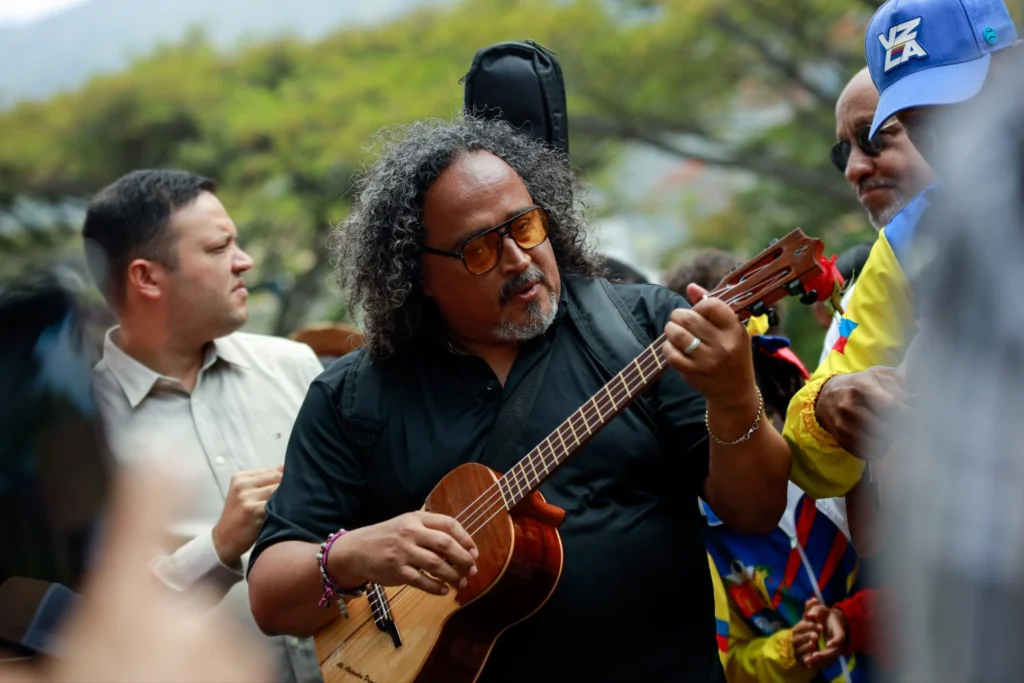
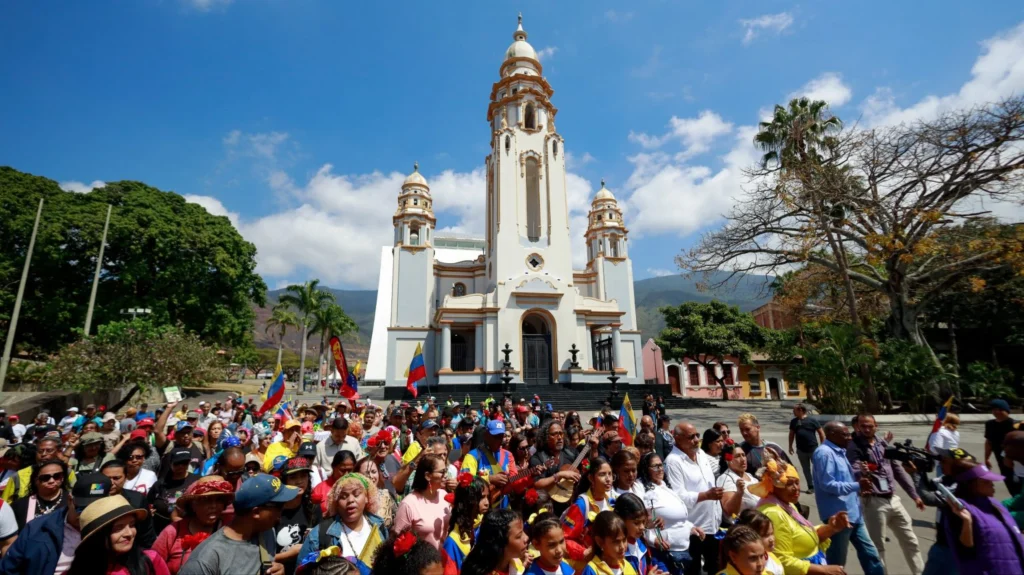
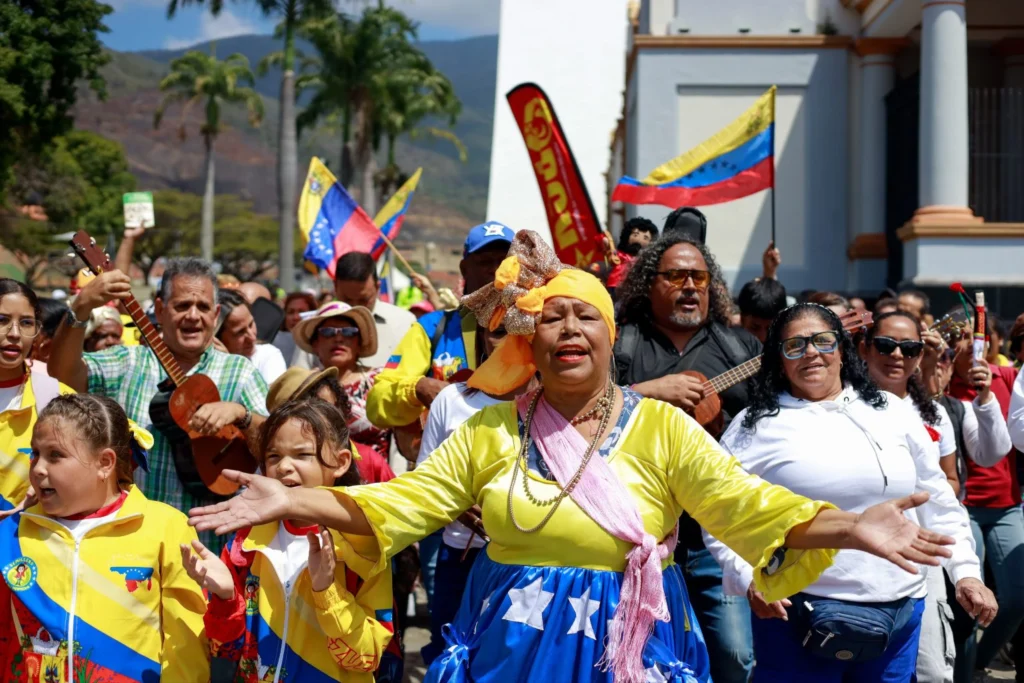
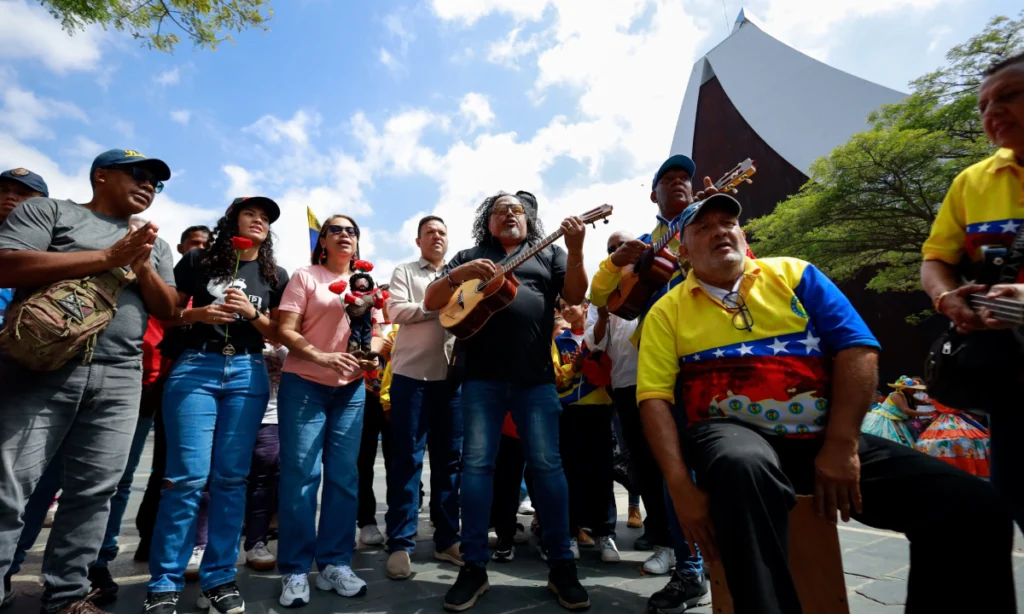
The day’s activities in the capital concentrated at the Ali Primera House of Freedom and Culture, located in the San Carlos Barracks. From this historic site, participants embarked on a procession through the city center.
Through lyrics, cultural figures, writers, artists, cultural promoters, and other participants reaffirmed Primera’s commitment to social struggles and his work denouncing injustices, elements that defined his professional trajectory.
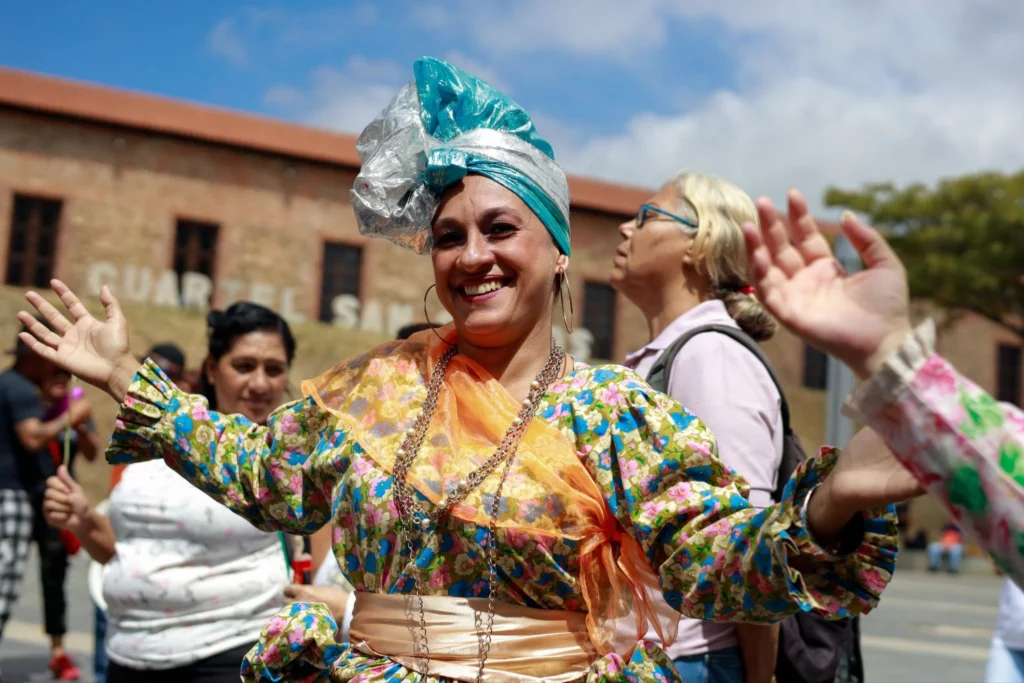
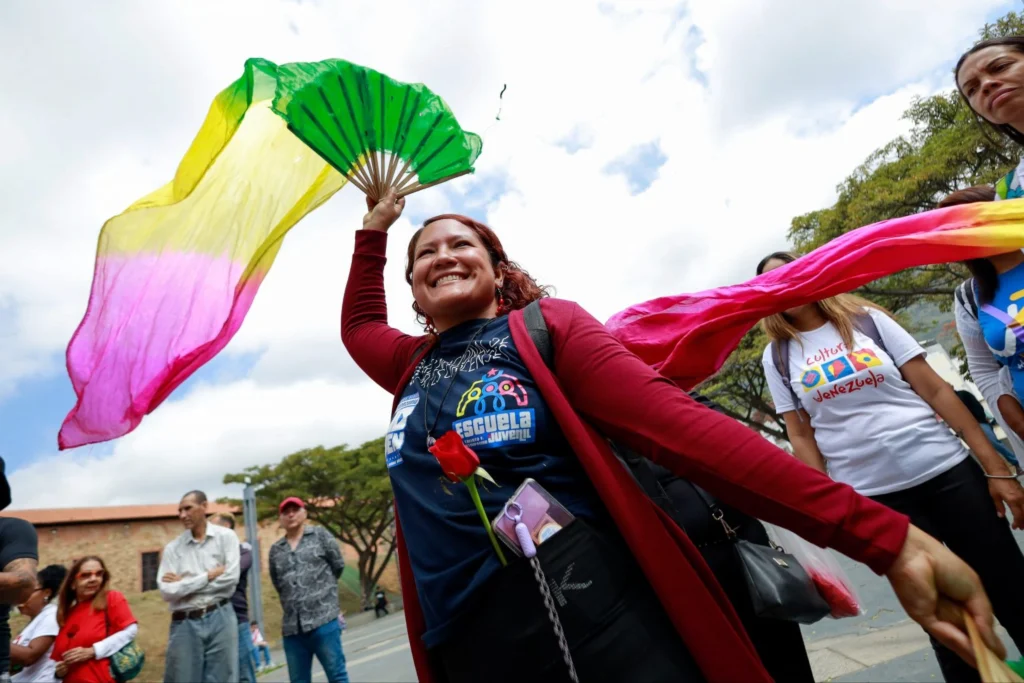
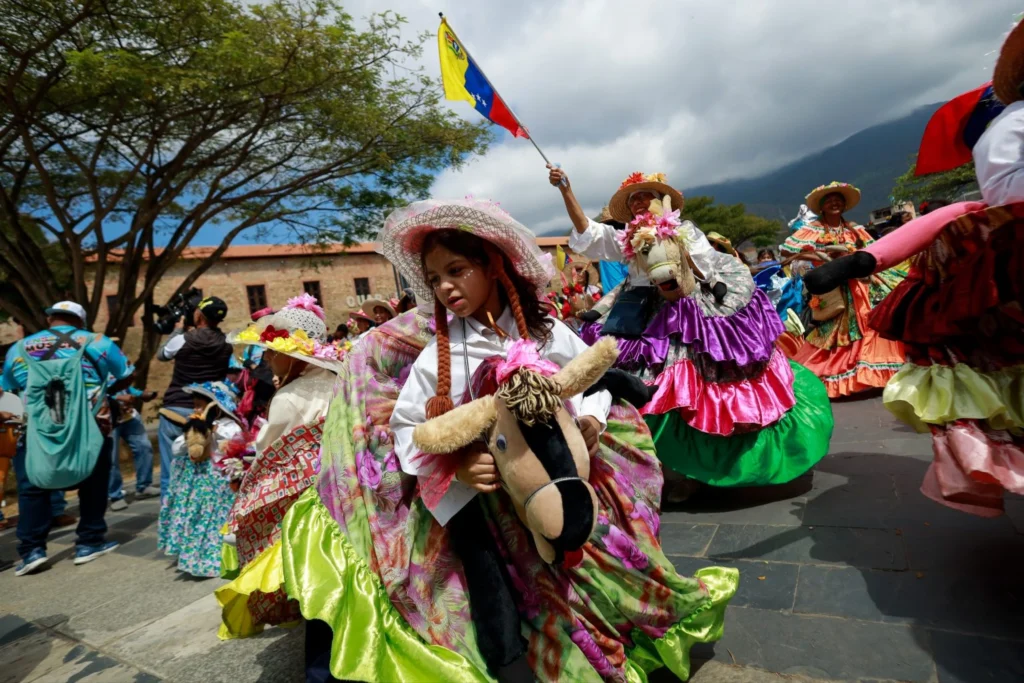
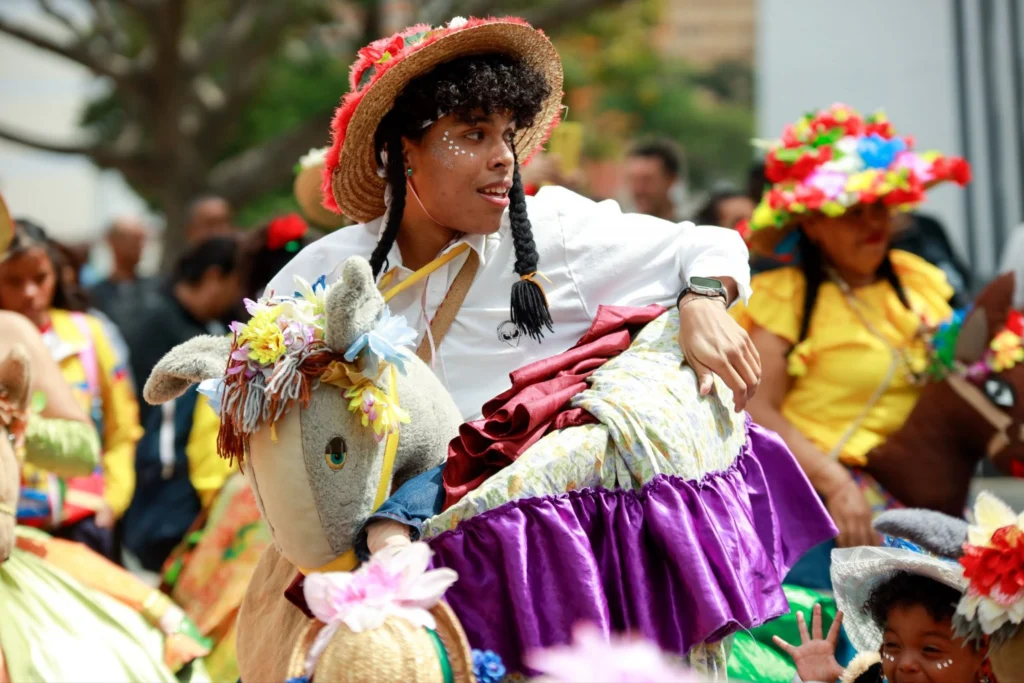
Organizers emphasized that the composer’s work remains a fundamental pillar of Venezuelan culture, uniting different generations under the banner of his revolutionary legacy.
Photos: VTV.
Legacy of Social Struggle
Ely Rafael Primera Rossell, born in Coro, in the Venezuelan Falcon state, on October 31, 1941. He was nicknamed “Ali” by his family due to his grandparents’ Arab origin.
Despite the accidental loss of his father, Antonio Primera, when he was just three years old, Ali forged a path of resilience alongside his mother, Carmen Adela Rossell.
In 1960, his arrival in Caracas marked the beginning of his academic and political formation. After graduating from Caracas Lyceum he enrolled in 1964 at the Central University of Venezuela (UCV, in Spanish) to study Chemistry.
It was in the university hallways where his voice began to resonate, transforming what started as a hobby into his life’s mission. Songs like “Humanity” and “It’s not enough to pray” became his first anthems of protest.
His education continued in Europe between 1969 and 1973, where he studied Petroleum Technology thanks to a scholarship from the Communist Party of Venezuela (PCV, in Spanish). However, upon returning to Venezuela, his professional degree took a backseat: his true vocation was music and political activism.
Ali Primera’s discography established him as a benchmark for “Necessary Song” in Latin America. With 18 record productions, including Abrebrecha, “The fatherland is man” and “Between anger and tenderness”, he consolidated a style that blended poetry with social denunciation.
Primera participated in numerous music festivals across Latin America and performed several times in the Magna Room of the Central University of Venezuela; he also took his message to where the struggle was: factories, high schools, unions, and popular neighborhoods.
Author: Laura V. Mor
Source: Venezuelan Ministry of Culture / ALBA TV/ VTV