


Venezuela Achieves Victory in the World Baseball Classic
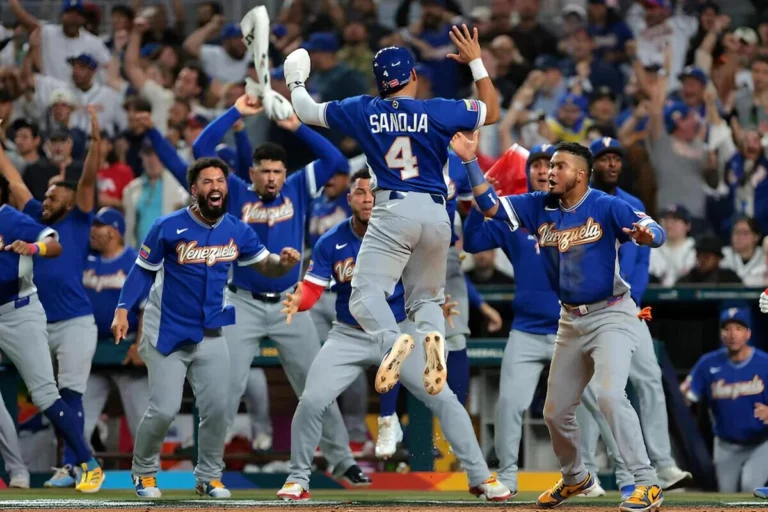
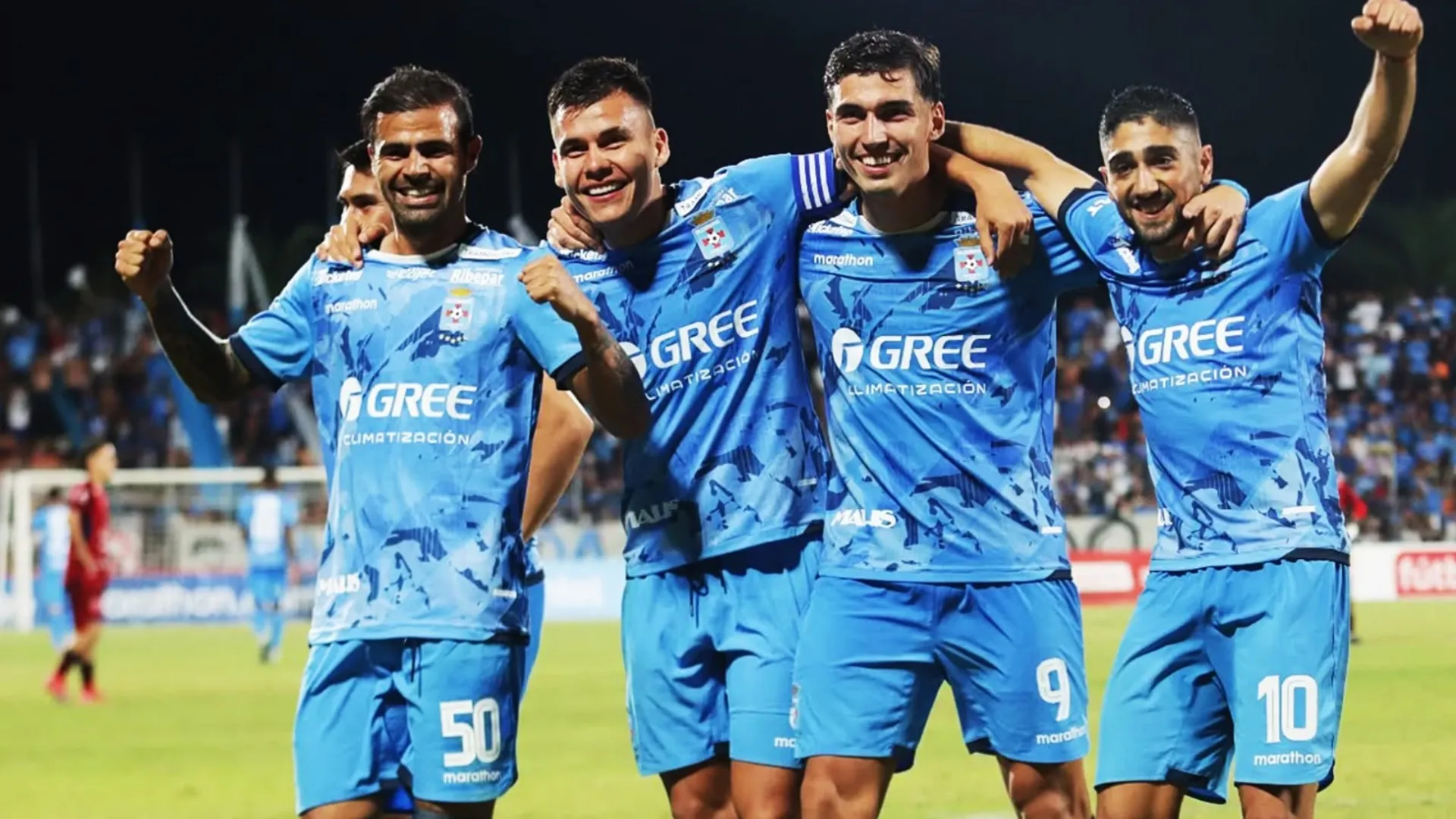
Venezuela’s baseball team. Photo: Curioso Teatro
March 18, 2026 Hour: 2:46 pm
🔗 Comparte este artículo
García’s MVP play seals dramatic ninth-inning triumph
On the night of March 17, 2026, in a packed stadium in Miami, Florida, Venezuela’s national baseball team narrowly defeated the United States with a final score of 3-2.
RELATED:
Venezuela Wins Its First World Baseball Classic, Defeating the U.S.
This victory secured Venezuela’s first World Baseball Classic title. It was more than just a score. It marked the culmination of two decades of changes in how international baseball is played, managed, and perceived.
The World Baseball Classic is now where America’s traditional pastime faces strong national teams from the Caribbean and Asia.
To understand why Venezuela’s narrow victory over the U.S. stars was so significant, consider the tournament’s structure, the challenging road to the final, and Latin America’s long baseball tradition that culminated in this moment.
The World Baseball Classic: Origins and Evolution
The World Baseball Classic (WBC) is the top international baseball tournament and the official world championship.
National teams compete under their flags, but the event combines corporate and sports interests. The World Baseball Softball Confederation (WBSC) approves the tournament, which is run by Major League Baseball (MLB) and the MLB Players Association (MLBPA).
The MLB created the tournament in 2005 after the International Olympic Committee dropped baseball from the Olympics following the 2008 Games.
The MLB wanted to promote the sport worldwide and showcase its best players in the spring before the North American season begins.
Unlike the Olympics, which used to rely on amateur or minor league players due to MLB schedules, the WBC allows top professional players to represent their countries.
The WBC started with 16 teams in 2006 and grew to 20 teams.
- Early Years (2006–2009): Japan won these, showing that top baseball was no longer just North American.
- Expansion and Changes: The 2023 event had 20 teams and a close Japan-U.S. final.
- 2026 Cycle: This sixth edition lets MLB, Japan’s NPB, and Korea’s KBO stars compete. It creates unique tactics, like careful bullpen use, pitch limits to protect players, and national pride that often beats individual contracts.
Participation and Selection: The Road to the 20-Team Field
The 2026 World Baseball Classic included 20 national teams. This size includes rising baseball nations while maintaining high quality. Teams qualify through a system of automatic spots and tournaments.
The top four teams from each 2023 pool earned a spot in the main event. This ensures that strong teams and large markets are included in the event. For 2026, they were:
Americas: USA, Canada, Mexico, Puerto Rico, the Dominican Republic, Venezuela, Panama, and Cuba.
Asia-Pacific: Japan, South Korea, and Australia.
Europe/Middle East: Italy, the Czech Republic, the Netherlands, Great Britain, and Israel.
Four more spots were awarded based on the results of the February-March 2025 tournaments for the lower-ranked teams from 2023 or the top-ranked nations according to the WBSC.
- Pool A (Taipei): Nicaragua and Chinese Taipei qualified. Nicaragua has shown significant growth in its youth programs.
- Pool B (Tucson): Colombia and Brazil filled the last two spots. Brazil’s return signals baseball’s rise in South America.
The 20 teams were divided into four pools (A, B, C, and D) for round-robin play. The hosts were Tokyo, San Juan, Houston, and Miami.
This setup allows the MLB to market to local fans in key areas. The top two teams from each pool advanced to the quarterfinals and semifinals in late March 2026.
Latin American Legacy in World Baseball Classic
Latin America has played a key role in the WBC. It supplies many star players and the most enthusiastic fans.
While Caribbean and South American players fill MLB rosters, the WBC allows them to come together to represent their countries.
Before 2026, the Dominican Republic was the only Latin American team to win, going 8-0 in 2013. Others performed well:
- Puerto Rico: Runners-up in 2013 and 2017.
- Cuba: Runner-up in 2006.
- Mexico: Third place in 2023.
Venezuela’s 2026 win was the second for Latin America. Beyond wins, these teams bring a style focused on the basics: speed, smart hitting, and energy. This has prompted U.S. teams, which rely on power and data, to adapt.
The 2026 Championship: Venezuela’s Historic Ascent
Venezuela overcame significant challenges to win the 2026 World Baseball Classic. The team drew talent from across the country.
Venezuela finished with a record of 6-1. After losing early to the Dominican Republic, they beat the Netherlands, Israel, and Nicaragua in pool play. They upset Japan 8-5 in the quarterfinals.
Manager Omar López prioritized team unity over egos. The U.S. made last-minute changes, but Venezuela stayed together. They managed a shared pitcher pool and MLB pitch limits with strong relievers to hold leads.
The team came from Venezuela’s baseball academies:
- Maikel García (MVP): From La Sabana (La Guaira). His third-base defense and .385 average stood out.
- Eugenio Suárez: From Puerto Ordaz (Bolívar). He drove in the winning run in the 9th of the final.
- Salvador Pérez: From Valencia (Carabobo). The captain led and caught steadily.
- Daniel Palencia: Young closer from San Carlos (Cojedes). He struck out Roman Anthony with a 100-mph fastball to end it.
Diplomatic Echoes and Official Reactions
The final out on March 17 prompted swift and contrasting reactions from Caracas and Washington. Here, baseball is always tied to politics.
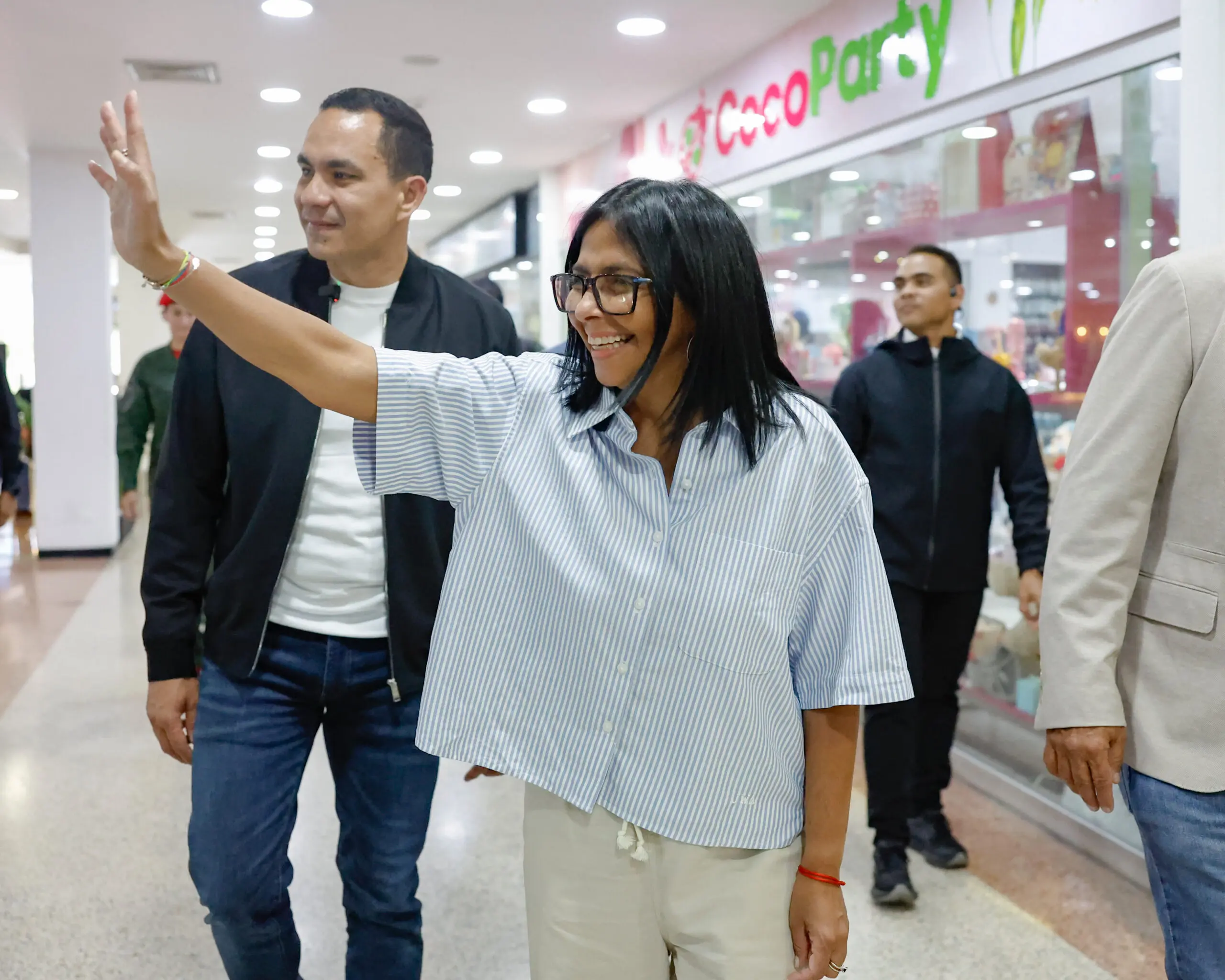
Venezuela: Acting President Delcy Rodríguez declared March 18 a National Day of Joy. She canceled work and school, calling the win a sign of resilience amid political changes.
United States: President Donald Trump posted on Truth Social. Using the hashtags “STATEHOOD!!!” and “#51,” he linked Venezuela’s success to U.S. ties.
Looking Ahead
The 2026 World Baseball Classic concluded with an outcome that few analysts predicted, yet many celebrated.
The 2026 tournament highlights a changing landscape: although the MLB provides the platform and funding, the heart of the sport is increasingly found in countries like Venezuela.
This victory represents a triumph of grassroots talent over corporate expectations. It ensures that the road to the 2029 WBC will be paved with even higher stakes and more intense national fervor.
Sources: teleSUR – The Guardian – CBC – MLB – Baseball Reference – TSN – Olympics.com – The Week – Delcy Rodríguez declarations – RT – La Iguana