







Venezuela Launches Popular Consultation to Reform Criminal Justice
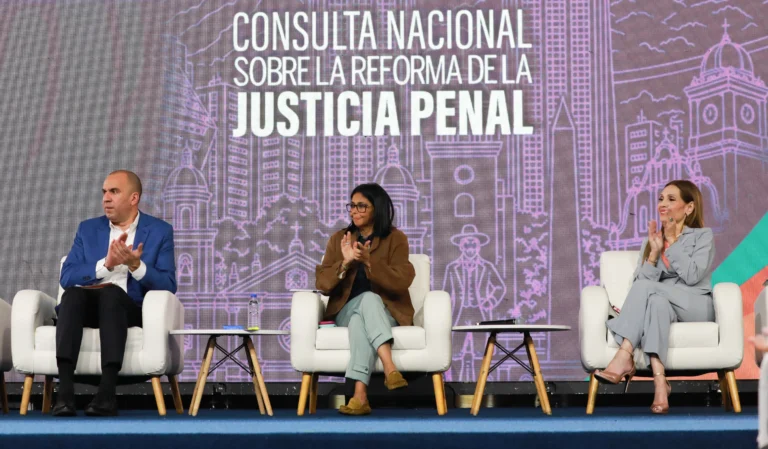
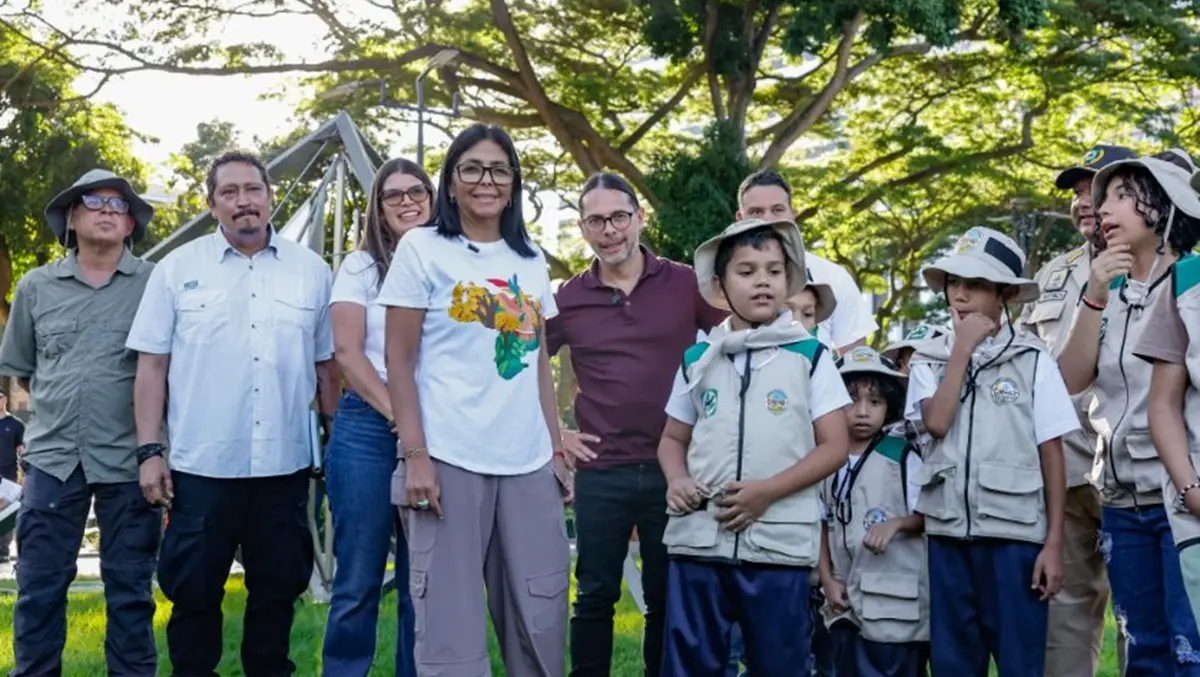
The consultative process will deploy simultaneous discussions throughout the territory to combat procedural delay and criminalization of poverty. Photo: Venezuelan Presidential Press.
June 1, 2026 Hour: 4:38 pm
🔗 Comparte este artículo
The Venezuela’s Acting President Delcy Rodríguez led the activation of nationwide debates to eradicate corruption within police forces and courts, promoting direct community participation in legislative changes.
On June 1, Venezuelan Acting President Delcy Rodríguez launched the Great National Consultation for Penal Justice Reform in Miranda state. The process aims to eradicate procedural delays, fight corruption, and protect Human Rights across the country.
RELATED: Venezuela Acting President Rodriguez Launches Ecological Restoration Plan
During the official installation ceremony, Rodríguez emphasized that this process represents a fundamental step to deepen the state protection of citizens. In this sense, she highlighted that the initiative adapts the national criminal system to the highest international standards regarding Human Rights.
Text reads: “The Acting President, @delcyrodriguezv, led the Great National Consultation on Criminal Justice Reform from the La Urbina Coliseum in Petare. This democratic process will begin a nationwide rollout with street days and work tables, involving judges, prosecutors and citizens.”
Rodríguez explained that the Bolivarian Revolution successfully removed the old judicial vices. Previously, court sentences were routinely negotiated with bags of foreign currency. However, she noted that current progress remains insufficient to satisfy the profound moral demands that the sovereign Venezuelan people deserve.
To address immediate deviations within security forces and court offices, the executive ordered the creation of a technological platform and includes a telephone line to make complaints.
Empowering Organized Communities
The national executive decreed the formal delivery of the former Petare police coliseum to local social organizations. This represents a concrete step in the transfer of institutional power to organized communities. The structure historically functioned as a detention facility where citizens suffered systematic Human Rights abuses under previous administrations.
The Government plans to transform the structure into a specialized center, which will be dedicated exclusively to the promotion of community culture and sports activities for local youth and families.
The operational plan of this national consultation divides the territory into simultaneous technical circuits across every state of the country. The Attorney General, Larry Devoe, will serve as secretary of this presidential commission and he will coordinate activities with social movements and the United Nations System in Venezuela.
Additionally, the President of the National Assembly, Jorge Rodríguez, announced that the legislative body will actively accompany these community debates. Legislative brigades will systematize every single citizen proposal. This effort will expedite the drafting of the new penal legal instruments.
This comprehensive process aims to combat procedural delays throughout the South American country and it also seeks to eradicate the criminalization of poverty. By integrating organized communities directly into this structural transformation, the Venezuelan Government seeks to consolidate peace and strengthen judicial guarantees.
Author: Laura V. Mor
Source: Venezuelan Presidential Press