







Colombian Polls Closed, Presidential Vote Scrutiny Begins

The final results will be confirmed by the scrutinizing commissions and the National Electoral Council, which publishes the consolidation of results and declares the next President of Colombia. Photo: EFE.
May 31, 2026 Hour: 6:16 pm
🔗 Comparte este artículo
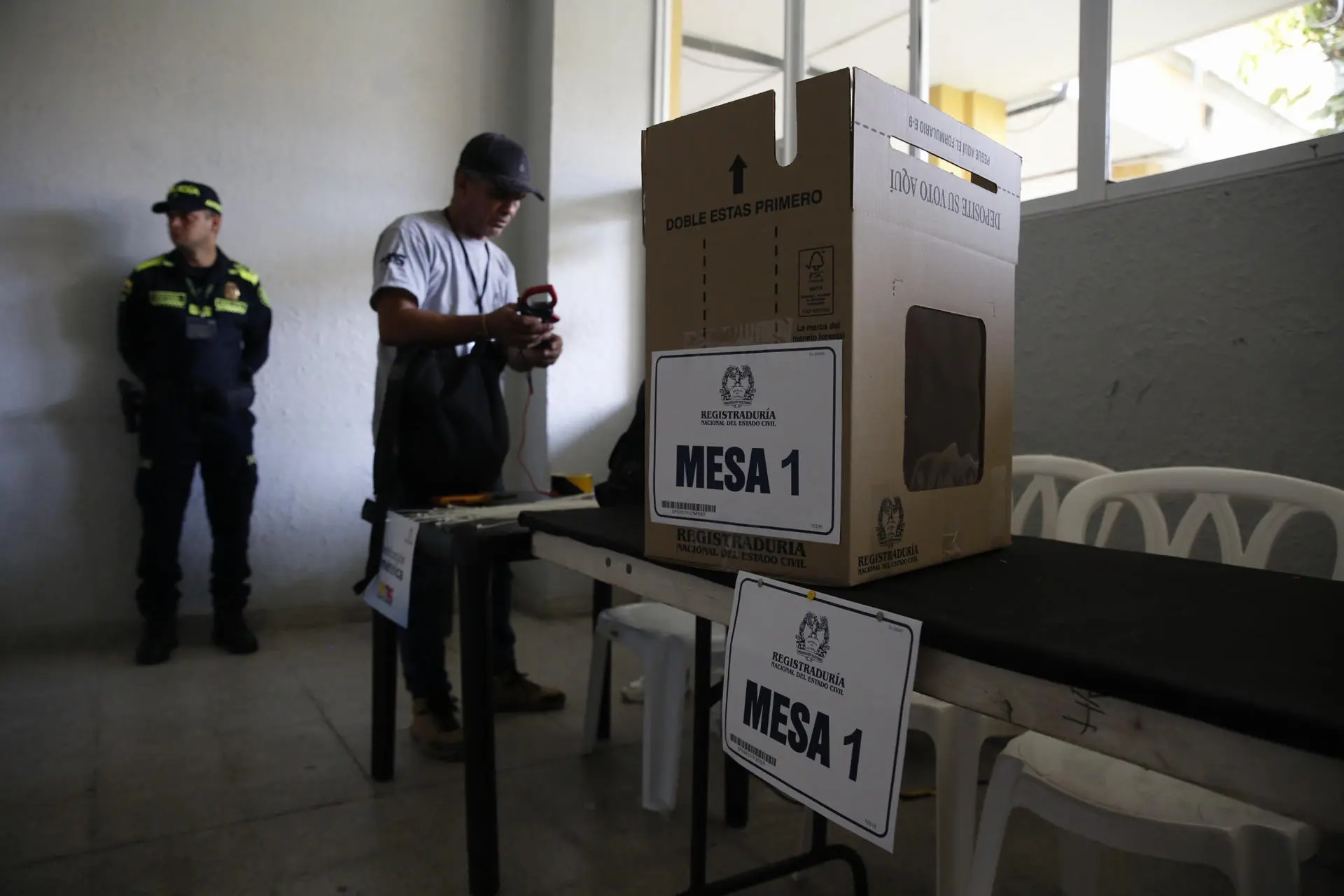
The National Registry of Colombia closed all voting stations to initiate the preliminary scrutiny of the presidential elections, following a peaceful voting day protected by 408,000 security officers across the South American country.
Colombia closed today all electoral tables across the country to begin the official preliminary counting of votes for the presidential election of the 2026-2030 term.
At 5:00 P.M. local time this Sunday, May 31, the official closing of the polling stations marked the beginning of the preliminary scrutiny. The National Registry, the main organizing entity of the electoral process, installed a total of 118,346 voting tables distributed across 13,489 polling stations to facilitate citizen participation.
RELATED: Colombia Goes to the Polls to Elect New President
To guarantee broad geographical coverage, authorities set up 6,010 urban stations and 7,479 rural stations. The institution initiated a special digital transmission via social networks for citizens to track the preliminary counting.
The electoral authorities clarified that the final consolidation of the votes will be confirmed by the scrutiny commissions and the National Electoral Council.
Text reads: “The polls are closed for the 2026 Presidency and Vice Presidency elections. At this time, the pre-counting process is progressing to consolidate the results of the election day throughout the country and abroad.”
Peaceful Voting Journey
State authorities confirmed that the presidential elections proceeded in absolute tranquility throughout the national territory. To protect the democratic rights of more than 40 million eligible voters, the Government deployed 408,000 members of the public security forces in strategic geographical points.
Colombia’s Minister of Foreign Affairs, Rosa Yolanda Villavicencio, reported high participation among citizens living abroad. For the elections, the foreign ministry enabled 3,700 voting tables in 116 consulates across more than 60 countries.
Minor operational issues occurred in the northeastern region of Catatumbo and the southern department of Caquetá. The Electoral Observation Mission (MOE, in Spanish) monitored these events and confirmed that none of these minor occurrences affected the normal execution of the democratic jornada.
Authorities reported that the only significant logistical delay happened in Urrao because of bad weather. Adverse weather delayed the helicopter transportation of voting materials to a rural area in Urrao, forcing a late opening of two tables, which later operated normally.
Text reads: “Millions of Colombians went to the polls and exercised their vote with confidence, tranquility and democratic commitment. Thank you all for being part of this election day.”
Candidates Await Electoral Results
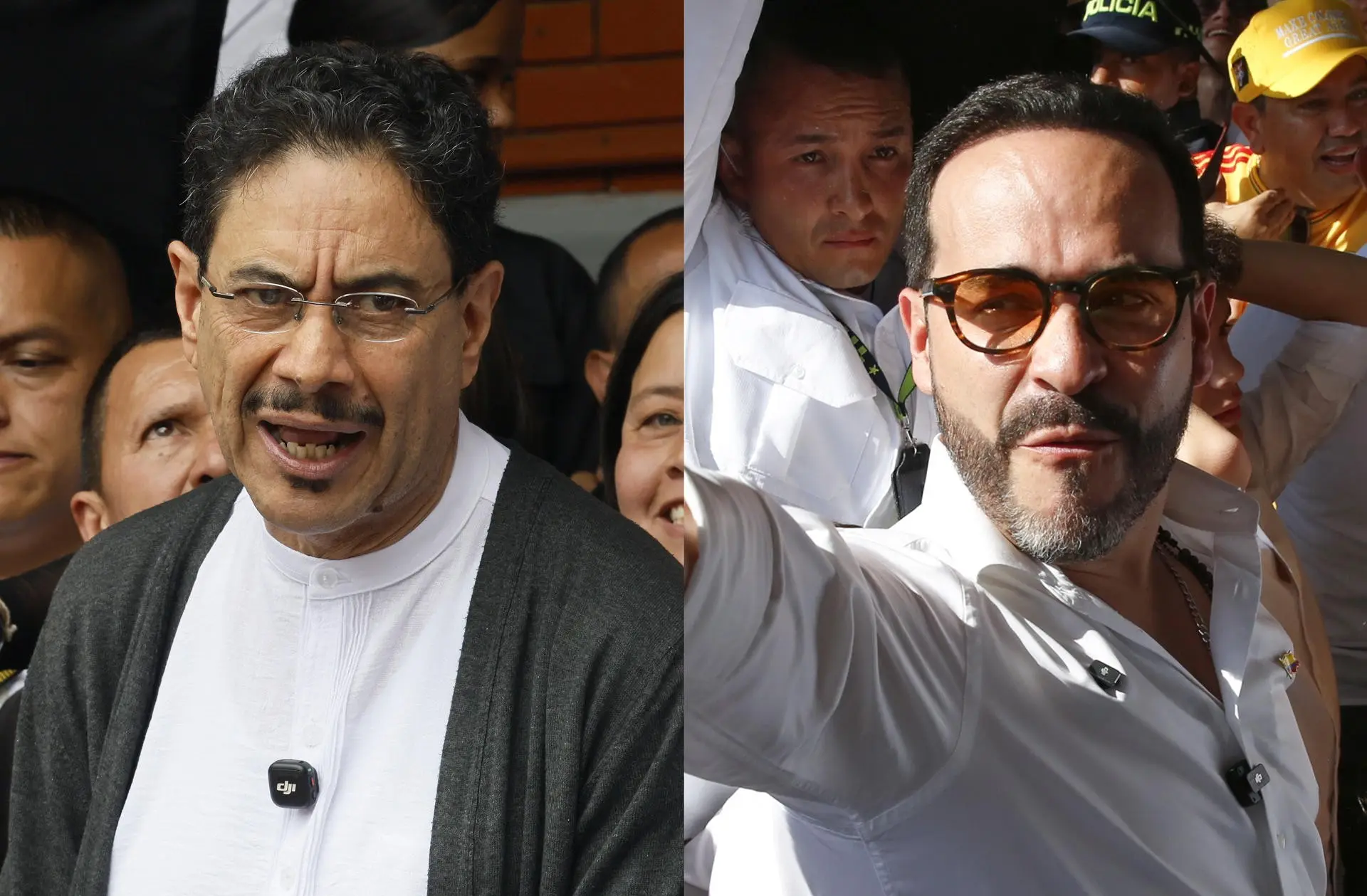
The presidential contest presents a contrasted ideological landscape according to recent polling trends. Leftist Senator Iván Cepeda, representing the Historic Pact coalition, entered the election as the leading candidate in public intention surveys, facing conservative lawyer Abelardo de la Espriella, candidate for the Homeland’s Defender movement. The third main political force is represented by right-wing Senator Paloma Valencia, from the Democratic Centre party.
The progressive candidate, Iván Cepeda, cast his ballot in the San Lucas school located in the Kennedy neighborhood, in the south of the capital city of Bogotá, accompanied by his campaign team.
After voting, Cepeda declared that citizens exercised their sovereign right to choose a different future and destiny for Colombia. The candidate expressed absolute confidence in the democratic system and emphasized his optimism regarding the potential establishment of a second progressive government in Colombia to deepen social transformations during the upcoming term.
To ensure the absolute transparency of the electoral journey, Iván Cepeda announced the implementation of an independent quick-count mechanism designed to process results in real time. The candidate stated that the Historic Pact will monitor the results scrupulously at each of the voting tables across the country. In this sense, the official vote counting continues under strict national and international observation to ensure the complete legitimacy of the incoming administration.
Author: Laura V. Mor
Source: Agencies