







Venezuelan National Assembly Begins Supreme Tribunal of Justice Law Consultation
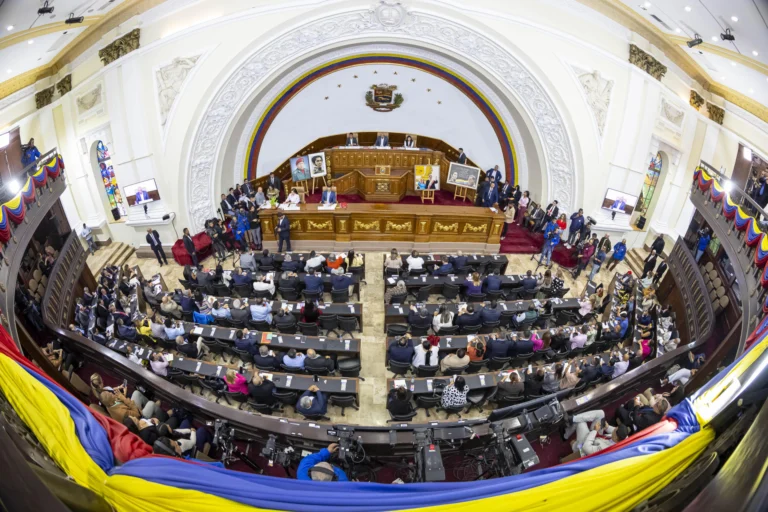
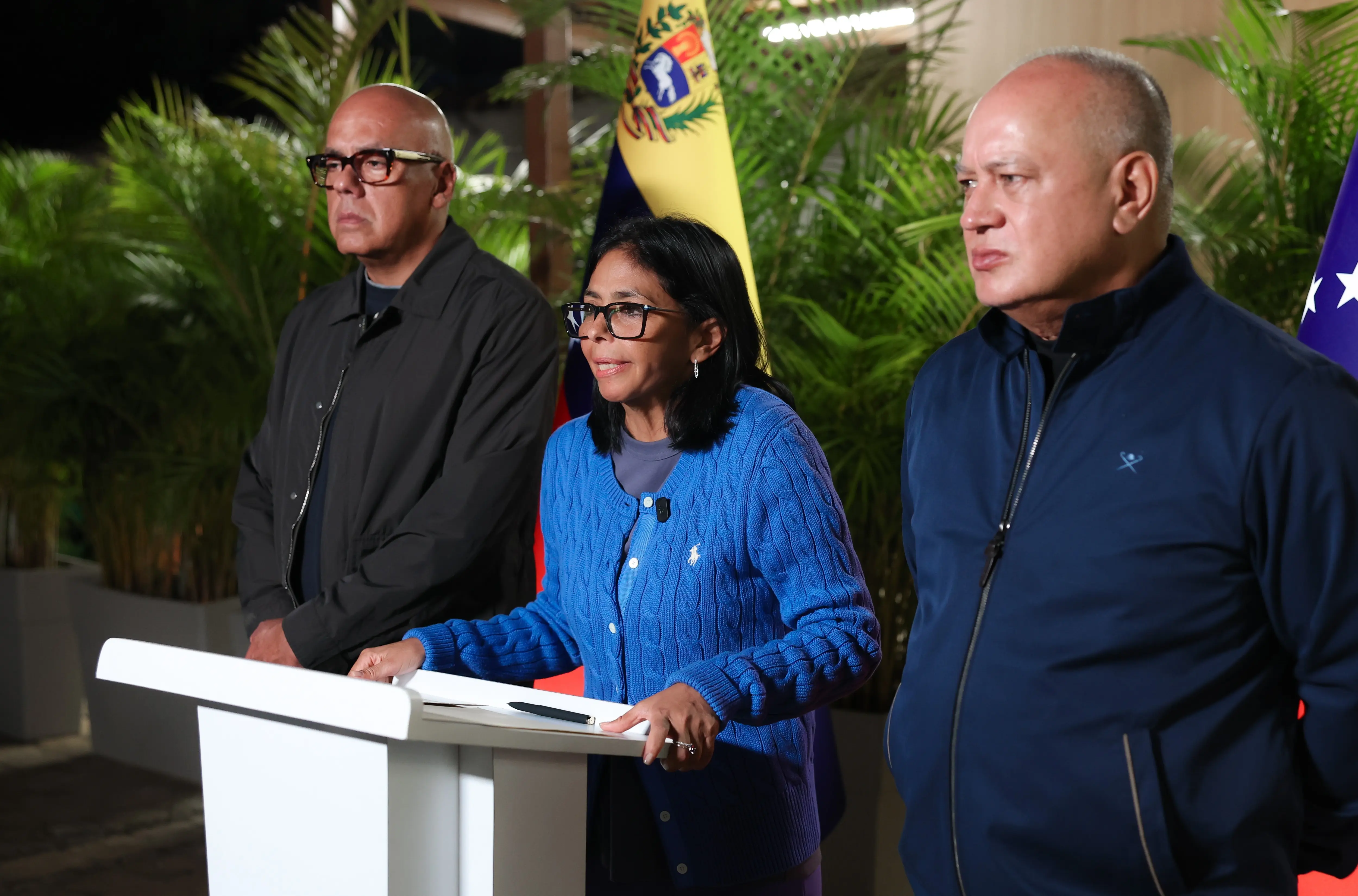
(FILE) The reform of the Supreme Tribunal of Justice Law will be presented to the Plenary of the National Assembly for its second discussion and subsequent approval. Photo: EFE.
May 8, 2026 Hour: 8:01 pm
🔗 Comparte este artículo
The Venezuela’s National Assembly initiated on May 8 a public consultation phase for the reform of the Organic Law of the Supreme Tribunal of Justice, aiming to transform the judicial system towards greater celerity and efficiency.
This crucial step follows the parliament’s approval of the project in its first discussion earlier this week, signaling a significant move to bolster the nation’s legal infrastructure.
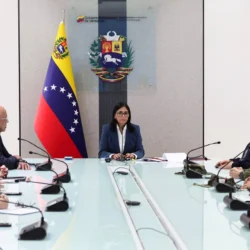
The event at the auditorium of the Supreme Tribunal of Justice was notably spearheaded by the President of the Judicial Power, Magistrate Caryslia Beatriz Rodríguez, alongside the President of the Permanent Commission for Interior Policy, Nicolás Maduro Guerra. Their joint presence underscored the institutional weight and bipartisan parliamentary backing behind the proposed judicial overhaul, which seeks to address long-standing challenges within the Venezuelan legal framework.
RELATED: Venezuela Stands Firm on Geneva Agreement For Esequibo Sovereignty
The reform project, which secured its initial parliamentary approval last Tuesday, is specifically geared towards modifying Article 8 of the existing law. This particular amendment proposes a notable expansion of the Body’s Plenary Chamber, increasing its composition from 20 to 32 magistrates.
The President of the National Assembly, Jorge Rodríguez, specifically pointed out that a larger composition of magistrates will directly translate into an augmented “capacity of response” from the tribunal when addressing the considerable backlog of pending cases. Rodríguez firmly underscored that the ultimate objective of this legislative initiative is to forge a judicial body that is not only “more plural” in its representation but also significantly “more efficient” in its operations.
Text reads: “We must insist on the search for consensus on the major issues that society demands. If Venezuelans agree, extremism will lose ground. The National Assembly will move forward firmly in redesigning and transforming the country’s justice system.”
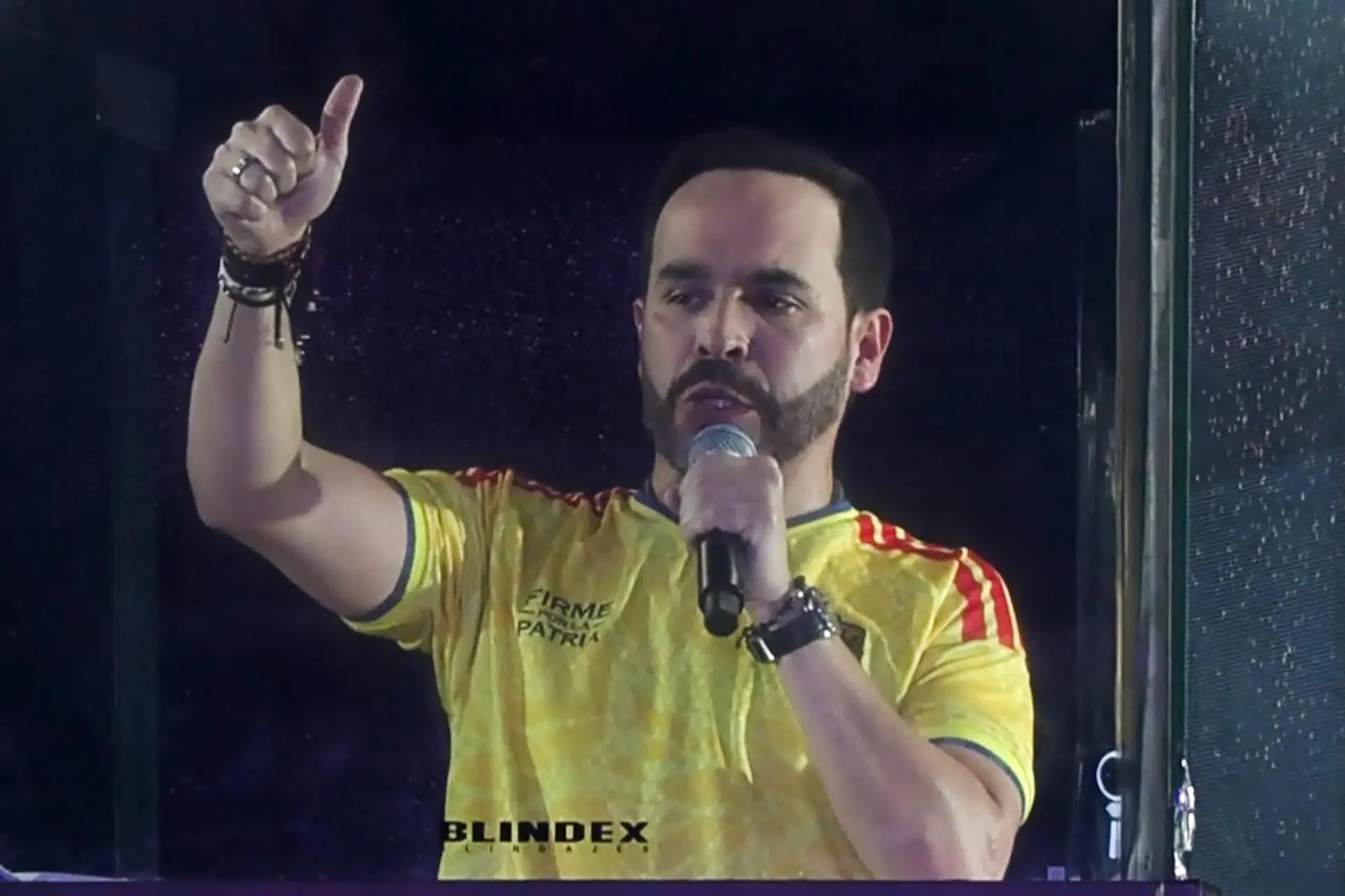
For his part, Nicolás Maduro Guerra emphasized the profound importance of this national deployment, asserting that this reform is now entering “a crucial phase of debate and reception of proposals.” This inclusive approach, he noted in messages shared across his social media platforms, is designed to collect diverse perspectives and ultimately “construct the justice that the country deserves”, ensuring the reform truly reflects the national interest and the aspirations of the people.
Text reads: “This legislative reform is born to strengthen everyone’s trust. With the reform of the Supreme Tribunal of Justice law, the National Assembly seeks to cement the legal security we deserve; because a cutting-edge judicial system is the foundation of the Venezuela we are building.”
Upon the conclusion of this public consultation phase, the definitive text of the reform will be formally presented before the Plenary of the Assembly for its second discussion and subsequent sanction. This meticulous, multi-stage legislative process is designed to foster the necessary consensus among parliamentary factions and ensure a robust, well-vetted final legal instrument.
The meticulous progression of this reform aims to not only streamline judicial processes but also to fortify the overall judicial infrastructure of Venezuela, aligning it with the country’s evolving needs for a responsive and effective justice system.
Author: Laura V. Mor
Source: Venezuelan National Assembly