US Midterm Elections: 23 Million Early Votes Signal Major Shift
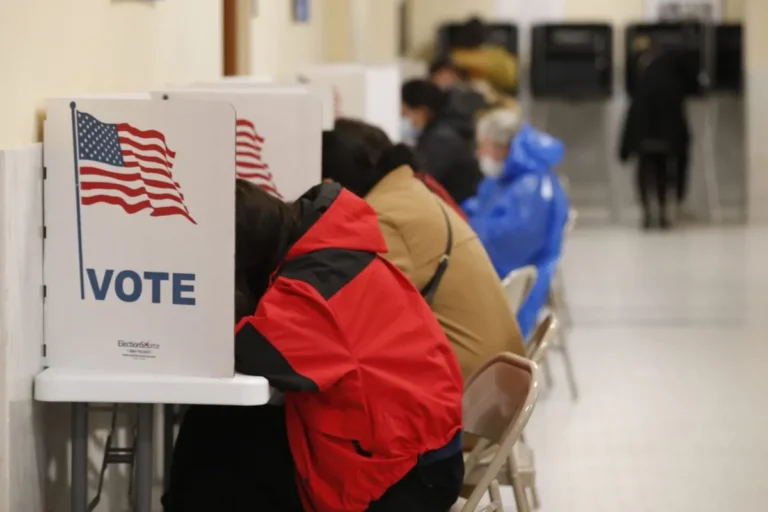
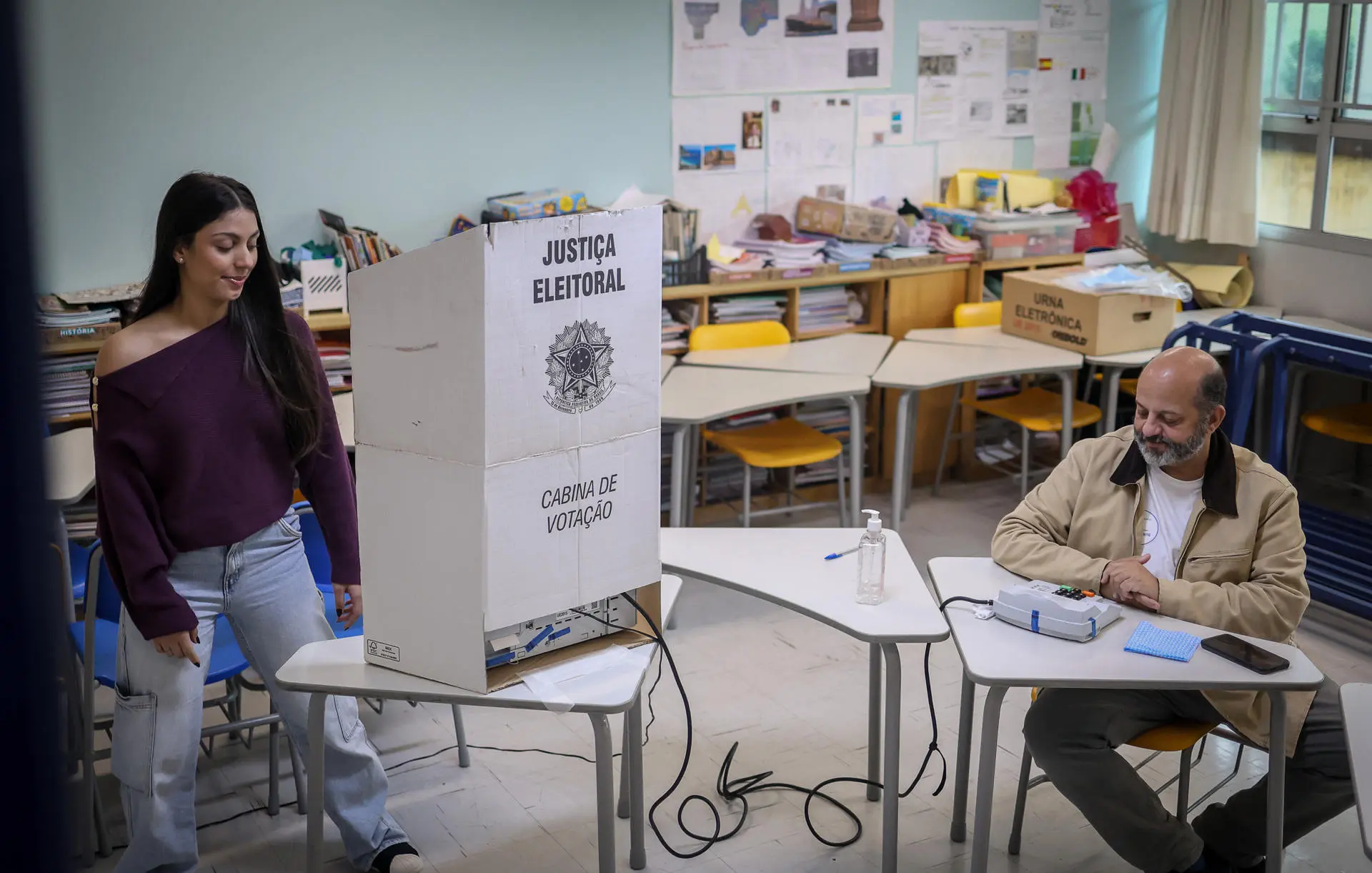
More than 23 million Americans have cast early ballots ahead of the November 3 midterm elections. Photo: EFE.
October 25, 2026 Hour: 3:31 pm
🔗 Comparte este artículo
US midterm elections see 23 million early votes cast, with surging turnout in key states as voters weigh the economy and congressional control.
Related: Florida A&M Shooting: 11 Shot Near University During Homecoming
US Midterm Elections Draw 23 Million Early Votes
The US midterm elections have already drawn more than 23 million early votes nationwide as Americans head to the polls ahead of the November 3 election.
The total marks a sharp increase compared with the same point in the 2022 midterm cycle, when about 15 million ballots had been accepted.
The surge in early voting is concentrated in states with competitive races that could determine control of the House of Representatives and the Senate.
Analysts say the rise reflects growing concern among working-class voters over the high cost of living, housing, healthcare and economic insecurity.
In North Carolina, more than 1.2 million early votes had been accepted, an increase of 37 percent compared with the same period four years ago.
Early voting among registered Democrats rose by 47 percent, while participation among unaffiliated voters increased by 60 percent.
By contrast, early voting among registered Republicans increased by only 2.6 percent.
The figures do not reveal how individual voters cast their ballots, but they show a significant shift in the pace and composition of turnout.
The increase is particularly notable because North Carolina is one of the key battlegrounds in the fight for the Senate.
US Midterm Elections See Turnout Surge in Key States
US Election Assistance Commission | National Association of Secretaries of State
The rise in early voting is not limited to North Carolina. Similar trends have been reported in several states with decisive contests.
In Kansas, early voting increased by approximately 69 percent.
In Maine, turnout rose by 41 percent, while Iowa recorded a 24 percent increase.
In Texas, election officials reported record participation in the metropolitan areas of Dallas and Houston since voting centers opened.
Texas is a key state in this year’s elections because its Latino community represents at least 30 percent of the electorate.
Polling and organizing efforts suggest a shift in Latino voter mobilization, driven by economic pressures and rejection of anti-immigrant rhetoric from conservative sectors.
The midterm elections will renew all 435 seats in the House of Representatives and 35 of the 100 seats in the Senate.
Voters will also elect governors in 36 states and three territories.
Republicans currently hold a narrow 218-seat majority in the House, the smallest possible majority, leaving dozens of districts in play.
Democrats need to gain four Senate seats to take control of the upper chamber, a difficult but not impossible task.
Key Senate races are taking place in Alaska, Maine, North Carolina, Ohio, Iowa, Texas, Michigan and New Hampshire.
The outcome will determine whether Democrats can block or advance legislation on taxation, healthcare, immigration, energy policy and judicial appointments.
Public dissatisfaction with the economy has become a central issue in the campaign.
Polling cited in the article places approval of the government’s cost-of-living policy at just 21 percent, reflecting widespread concern over inflation, wages and living conditions.
The high level of early participation suggests that voters are treating the midterms as a major political test rather than a routine election.
US Midterm Elections Face Alaska Certification Battle
US Department of Justice | Alaska Division of Elections
The US midterm elections have also been marked by an unprecedented legal dispute in Alaska.
The US Department of Justice filed a lawsuit on October 22 seeking to block Alaska from certifying its Senate election results if Republican Senator Dan Sullivan loses to Democrat Mary Peltola.
The case centers on the presence of a second candidate, Daniel J. Sullivan Jr., a retired teacher whose name closely resembles that of the incumbent senator.
The Justice Department argues that the similar names could confuse voters and affect the outcome of the race.
The lawsuit asks a federal judge to prevent certification of any result that may have been affected by voter confusion.
It also seeks an investigation into whether votes cast for Daniel J. Sullivan were intended for Senator Dan S. Sullivan.
President Donald Trump publicly confirmed that he ordered the Justice Department to file the lawsuit.
The legal action came 11 days before the election, after early voting had already begun in Alaska.
The case has been strongly criticized by voting-rights groups, Democratic organizations and legal experts.
They argue that the federal government lacks authority to intervene in state-run elections and that the lawsuit represents an attempt to override the will of Alaska voters.
The campaign of Mary Peltola, the Democratic Senatorial Campaign Committee and groups including the League of Women Voters of Alaska and Common Cause have sought to intervene in the case.
They are asking the court to dismiss the lawsuit and protect the integrity of the state’s electoral process.
Alaska’s courts had previously rejected efforts to remove Daniel J. Sullivan Jr. from the ballot.
A federal judge and the Alaska Supreme Court ruled that his candidacy was constitutionally valid.
The dispute has drawn attention because Alaska’s Senate seat could be decisive for control of the upper chamber.
Alaska is also strategically important because of its vast oil, gas and mineral reserves.
The outcome of the race could affect future decisions on energy leases, mining permits and federal policy in the Arctic region.
Geopolitical Context
The US midterm elections will have consequences beyond domestic politics because Congress plays a central role in shaping US foreign, economic and security policy.
Control of the House and Senate will determine whether the administration can advance its legislative agenda or face greater opposition.
The elections will influence decisions on government spending, taxation, immigration, climate policy and military funding.
They will also affect the confirmation of federal judges and senior government officials.
The Alaska Senate race is particularly significant because of the state’s strategic location in the Arctic and its vast energy resources.
The United States has increased its focus on Arctic security amid competition with Russia and China over shipping routes, military presence and access to natural resources.
The outcome of the election could influence future policy on oil drilling, mining and infrastructure development in Alaska.
The surge in early voting also reflects a broader debate over democratic participation in the United States.
Voting-rights groups have warned that legal challenges to election certification can undermine public confidence in democratic institutions.
The Alaska case has raised concerns that federal power could be used to influence state-run elections.
The dispute comes as political polarization continues to deepen across the country.
The high turnout suggests that many voters see the midterms as a referendum on economic conditions, democratic norms and the direction of the country.
The results will shape the final two years of the current presidential term and could redefine the balance of power in Washington.
Author: JMVR
Source: Agencias