Gaza Food Crisis: Israel Blocks Flour as 7 Bakeries Face Closure

Gaza’s last seven operating bakeries risk closing within 48 hours as flour stocks run out under Israel’s continued restrictions. Photo: EFE.
October 25, 2026 Hour: 2:38 pm
🔗 Comparte este artículo
Gaza food crisis deepens as Israel blocks flour supplies, leaving only seven bakeries operating and 1.4 million Palestinians facing acute hunger.
Related: New U.S. and Israeli Military Actions Against Iran Would Be Underway
Gaza Food Crisis Worsens as Israel Blocks Flour Supplies
The Gaza food crisis has reached a critical point after Israel blocked commercial flour shipments, leaving Gaza’s last seven operating bakeries at risk of closing within 48 hours.
Abdul Nasser al-Ajrami, head of the Gaza Bakeries Association, warned on Thursday, October 22, that flour reserves in the enclave had been exhausted.
He said the remaining bakeries would stop producing bread within two days unless new supplies were allowed to enter.
“Israel kept the crossings closed throughout last week and continues to strangle the supply of commercial flour even after partially reopening them,” al-Ajrami said.
He added that the small amount of flour previously stored had already run out, forcing several bakeries to shut down.
Only seven of the 20 bakeries that had been operating in Gaza remained active when the warning was issued.
The closure of bakeries would deprive families of one of the few remaining sources of affordable food in the devastated territory.
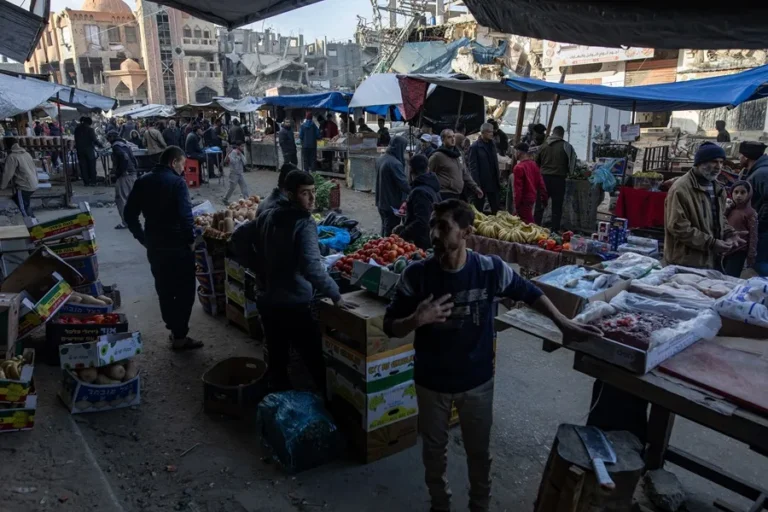
Bread is a basic staple for Palestinian households, particularly as prices for other foods have risen sharply amid shortages and reduced humanitarian assistance.
The Gaza food crisis has worsened as commercial supplies have been blocked and international aid has been reduced.
Al-Ajrami said the flour currently sold in local markets comes from the United Nations World Food Programme, known as the WFP.
Commercial bakeries that depend on supplies brought through the crossings have been left without raw materials.
The shortage has intensified since the WFP announced a severe funding deficit and reduced food assistance for more than half a million people in Gaza.
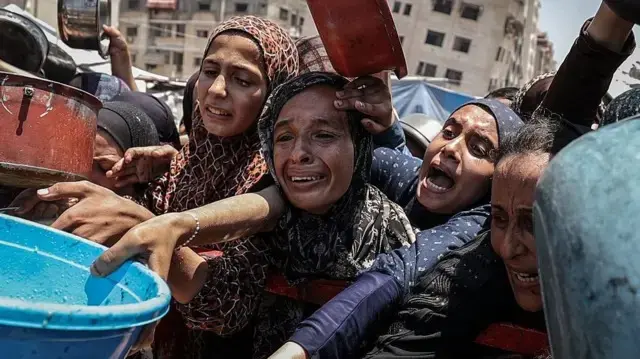
The reduction has left more families competing for limited flour while prices continue to rise.
Gaza Food Crisis Deepens as WFP Cuts Aid
World Food Programme | United Nations News
The Gaza food crisis has been compounded by a major reduction in humanitarian assistance from the World Food Programme.
On October 19, the WFP announced that funding shortages had forced it to cut food assistance in Gaza by about one-third.
The agency said the number of people receiving food and cash assistance would fall from 1.6 million in September to 1.1 million in October.
That means approximately 500,000 people will lose access to critical food support as winter approaches.
The WFP has also halved food rations. Families receiving assistance will now receive one food parcel instead of two, along with a smaller bag of wheat flour.
The agency has reduced daily hot meals from 250,000 to 150,000 and cut cash assistance for 75,000 families.
The WFP said the cuts were not caused by a reduction in humanitarian needs or by a lack of access to deliver aid.
“We don’t have the funding to sustain the levels of assistance that are required,” said Shaun Hughes, the WFP’s representative and country director in Palestine.
The agency said it urgently needs $450 million to maintain critical operations in Gaza and the West Bank from October 2026 to March 2027.
The WFP received less than half of the funding allocated to its operations in Palestine in 2026 compared with previous years.
The funding shortfall has come at a time when approximately 1.4 million people, or 67 percent of Gaza’s population, face acute food insecurity at crisis levels or worse.
The WFP estimates that around 200,000 people are experiencing emergency conditions and require immediate food assistance to prevent deaths from hunger.
The agency said it can still support bakeries that cover one-third of Gaza’s bread needs, provide nutrition assistance to 300,000 women and children and deliver school snacks to 200,000 students.
However, the reduction in aid has placed additional pressure on families already struggling to obtain basic food supplies.
Gaza Food Crisis Exposes Impact of Israel’s Blockade
United Nations Relief and Works Agency | World Health Organization
The Gaza food crisis is closely linked to Israel’s restrictions on the entry of food, fuel, medicine and humanitarian aid.
Human rights organizations say Israeli authorities have repeatedly closed Gaza’s crossings since early October, obstructing the entry of essential supplies.
The closures have deepened shortages of flour, cooking gas, fuel and medical materials across the enclave.
The Rafah crossing has remained closed to sick and injured Palestinians waiting to be evacuated for treatment abroad.
International health organizations have also raised concerns about continued attacks on medical facilities and the detention of healthcare workers.
Gaza’s Ministry of Social Development warned that hundreds of thousands of Palestinians face an imminent humanitarian catastrophe if restrictions on flour and bakery supplies continue.
The ministry called for immediate action to stop what it described as Israel’s systematic policy of starvation and the use of food as a weapon against civilians.
Israel has said the disruption in commercial deliveries stems from a fiscal dispute between traders and the administration led by Hamas.
Palestinian traders have rejected that explanation and say the restrictions remain in place.
The Israeli military has said commercial goods would resume entering Gaza after a five-day pause.
However, Palestinian traders reported that major cuts to food supplies remained in force and that the blockade had become increasingly severe.
The WFP said the halt in commercial truck entries through the Kerem Abu Salem crossing was further restricting supplies entering Gaza.
The organization warned that restrictions on goods entering the territory were holding back recovery and reducing the purchasing power of families.
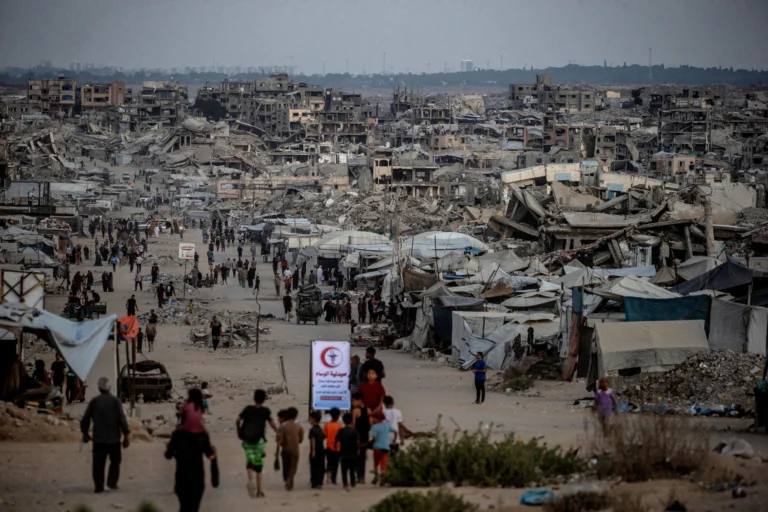
The Gaza food crisis has been aggravated by the destruction of infrastructure, displacement and the collapse of local agriculture and food production.
Most of Gaza’s population has been displaced, with many families living in tents or overcrowded shelters without reliable access to clean water, sanitation or cooking fuel.
The World Health Organization has warned that malnutrition, disease and the collapse of healthcare services are creating a deadly combination for civilians.
Geopolitical Context
The Gaza food crisis has implications beyond the immediate humanitarian emergency because it reflects the broader political and military conflict between Israel and Palestine.
Control over crossings, food supplies and humanitarian aid has become a central element of the conflict.
International law requires parties to a conflict to allow humanitarian assistance to reach civilians and to protect access to food, water and medical care.
Human rights organizations argue that the deliberate restriction of essential goods may constitute collective punishment and a violation of international humanitarian law.
The crisis has drawn attention from the United Nations, international courts and humanitarian agencies, which have repeatedly called for unrestricted access to Gaza.
The situation also has regional implications. Egypt, Jordan and other neighboring countries have faced pressure to facilitate aid deliveries and medical evacuations.
The closure of the Rafah crossing has left injured and seriously ill Palestinians unable to leave Gaza for treatment.
The Gaza food crisis could further destabilize the region by increasing displacement, deepening poverty and fueling anger across the Arab and Muslim world.
The United Nations has warned that famine risk remains high as winter approaches and humanitarian funding declines.
The WFP has said that recent modest improvements in food security remain fragile and could be reversed if access and funding are not restored.
The immediate priority is to allow flour, fuel and medical supplies to enter Gaza and to restore the operations of bakeries and humanitarian kitchens.
Without urgent action, the Gaza food crisis could push the territory into a new phase of mass hunger and deepen one of the world’s most severe humanitarian emergencies.
Author: JMVR
Source: Agencias