Ugandans Attend Presidential Elections Amid Technical Failures
X/@VioletLobelia.
January 15, 2026 Hour: 1:34 pm
🔗 Comparte este artículo
Technical problems even affected President Yoweri Museveni when he tried to vote.
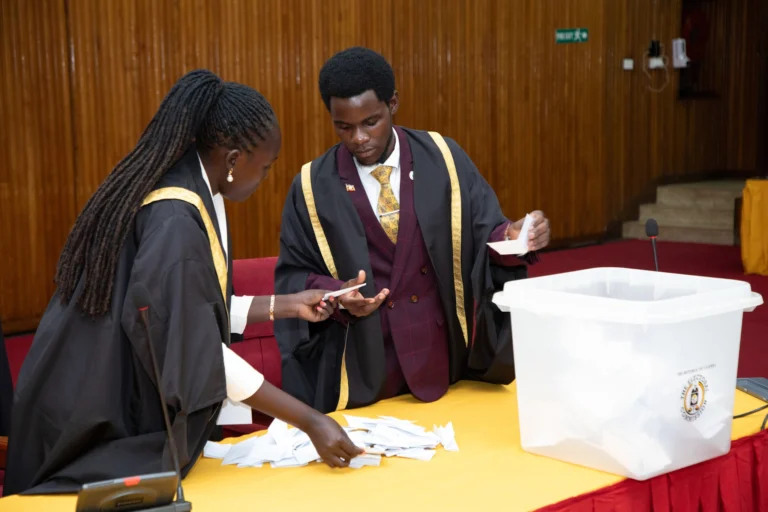
On Thursday, polling stations in Uganda closed an hour later than scheduled due to technical failures in biometric equipment. Nearly 21.6 million people were eligible to vote at more than 50,000 polling stations.
RELATED:
Museveni Confirms Candidacy as Uganda Opens Presidential Nominations
Election Commission President Simon Byabakama explained that the extension was intended to compensate for the delays and that the voters in line were able to exercise their democratic right, even after the official closing time.
Ugandans were called to vote in between eight candidates competing for the presidency, which has a five-year term, and members of Parliament. President Yoweri Museveni, in power since 1986, runs for a seventh term.
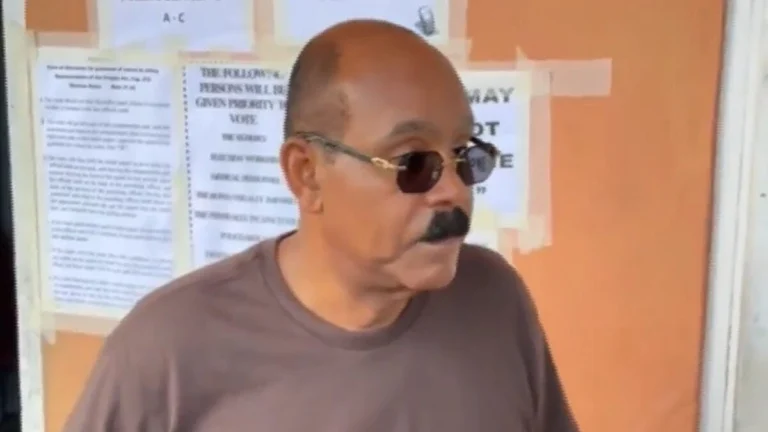
The elections were held under heavy police presence and a temporary internet blackout. Technical problems even affected Museveni when he tried to vote at Karo High School in Kiruhura district, where manual identification had to be used.
As electoral campaigns were marked by authorities’ constant obstacles to the opposition, the United Nations Human Rights Office reported at least 550 arrests. Uganda has never had a peaceful presidential transition since its independence in 1962.
Authorities justified the internet blackout as a means to prevent misinformation, fraud, and violence. International organizations rejected the measure and demanded its immediate lifting, denouncing it as an obstacle to transparency and access to information.
Museveni defends stability as the central legacy of his administration, argues that Uganda has overcome decades of political chaos and violence, and that the priority is to prevent any institutional backsliding.
Kenneth Omona, Minister of State for the North of Uganda and a member of the ruling National Resistance Movement (NRM), maintained that a forty-year term is not excessive, and drew a comparison with the Democratic Republic of Congo, where leadership changes have not brought stability.
He asserted that there is relative peace in northern Uganda, hope for economic transformation through future oil revenues, and noted that before Museveni came to power, Uganda suffered from corruption and mismanagement.
teleSUR: JP
Source: EFE – RFI