







U.S. Oil Blockade Has Almost Completely Halted Tourism to Cuba
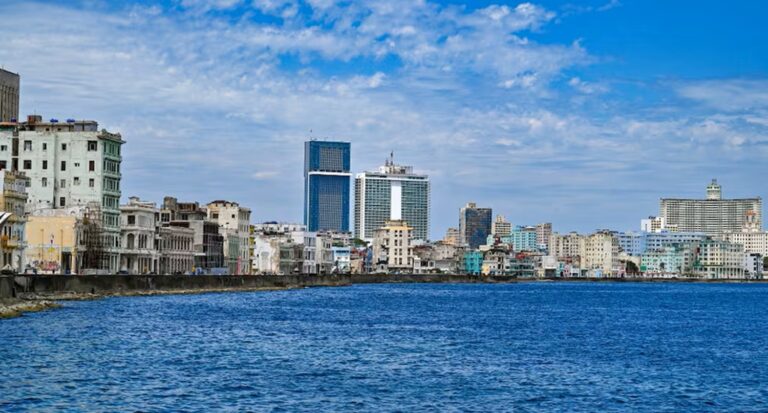
Hotels in Havana, Cuba. Photo: Urgente24.
July 30, 2026 Hour: 2:37 pm
🔗 Comparte este artículo
The latest sanctions from the Trump administration pose a threat to international tourism companies.
On Wednesday, the Cuban government acknowledged the “almost total paralysis” of tourism, reporting that 73% of hotel facilities shut down, putting some 25,000 jobs at risk.
RELATED:
Mexico and Cuba Sign 2025-2028 Tourism Cooperation Program
Prime Minister Manuel Marrero attributed the crisis to the U.S. oil blockade and the threat of sanctions against foreign companies, which have led to the departure of seven international chains, including Melia, Iberostar, Barcelo, Blue Diamond, Archipelago International, and ATG, responsible for approximately 46% of the available hotel rooms on the island.
The decline in tourism has been ongoing since the COVID-19 pandemic, when international restrictions caused a sharp drop in visitor arrivals. In 2018, Cuba received 4.7 million tourists, but by 2025, that number had plummeted to just 1.8 million.
Data from 2026 shows a further decline: between January and May, 359,491 international visitors arrived, 58.4% fewer than in the same period of 2025.
Fuel shortages have reduced air routes and affected hotel operations, while secondary sanctions have discouraged international tour operators.
The government announced that it will allow private entities to manage hotels, rent cars, offer passenger transport, and work as tour operators and guides. These activities will be subject to a 1% tax, the revenue from which will be used to promote the sustainability and image of tourism.
Meanwhile, the online travel agency Online Tours launched an installment payment plan for flights to Havana from Madrid, Barcelona, and Las Palmas, with fares starting at €85 per month, including two 23 kg suitcases. The proposal aims to facilitate access to Cuba in the context of a tourism and economic crisis.
teleSUR: JP
Source: EFE