







Cuba’s Healthcare Services Heavily Hurt by U.S. Oil Blockade
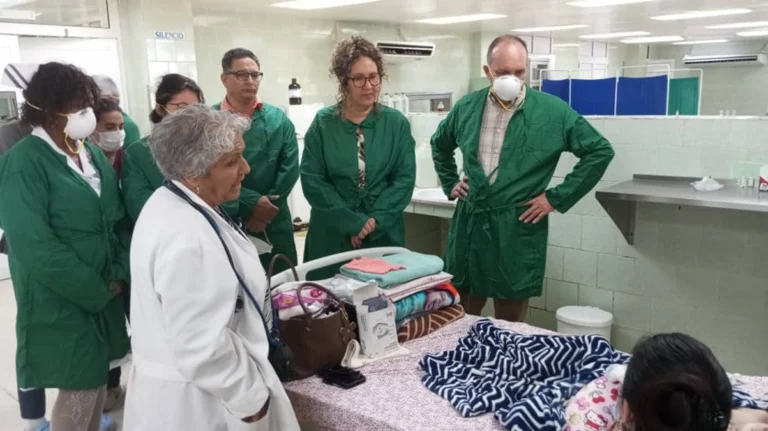
Juan Manuel Marquez Hospital in Havana, Cuba. X/ DPSHabana
July 21, 2026 Hour: 8:30 am
🔗 Comparte este artículo
Every power outage in hospitals translates into risks to the lives of patients and deep exhaustion for health professionals.
On Monday, Cuba’s Deputy Health Minister Julio Guerra denounced the repercussions of the U.S. oil blockade on his country’s health system, during a ceremony of thanks for the donation of solar panels and medical supplies made at the Juan Manuel Marquez University Pediatric Hospital in Havana.
RELATED:
International InnoLabs Project Strengthens Innovation at Cuban University
In this Caribbean nation, healthcare services are being enormously impacted by a de facto U.S. energy blockade through an oil siege since early this year.
“The lack of stable energy directly affects the preservation of medicines, the use of high-tech equipment, the performance of surgeries and even basic care in emergency rooms,” Guerra Izquierdo noted and denounced the U.S. blockade as “genocidal” to patients.
“It has severely limited our ability to access fuel, technology and essential resources needed for the functioning of our hospital institutions.”
Guerra further highlighted a surgical waiting list of more than 100,000 patients, difficulties in ensuring supplies for maternal and child care, a rise in the infant mortality rate, lower survival rates among children diagnosed with cancers, and shortages of medicines.
“The donation we receive today has incalculable value. The supplies mean clean and stable energy for the Juan Manuel Marquez pediatric hospital, he added.
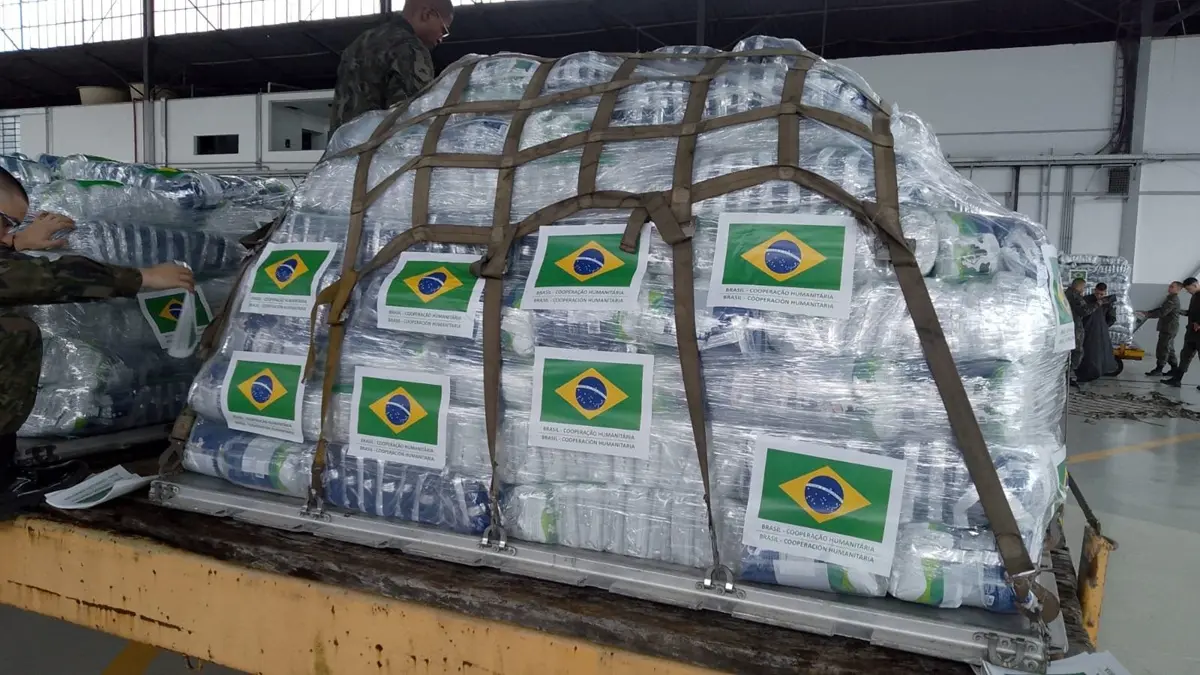
The donation was shipped by the sailboat Astral, operated by the Spanish non-governmental organization Open Arms, as part of the international solidarity project Rumbo a Cuba, promoted by activists and politicians in Spain to channel humanitarian assistance to the Caribbean island country.
The pediatric hospital’s intensive care unit, in particular, benefits from the donation. “The solar panels we have received are a guarantee that when the power grid fails — and we know it will fail — our ventilators, infusion pumps and monitors will stay on,” said the unit’s head, Alicia Cedeno. She said she already saw doctors and nurses “perform real acts of magic” with the supplies available.
The humanitarian aid received has also brought relief to Dayana Blanco, the mother of a baby being treated at the hospital. Repeated problems with electricity and medical supplies have punctuated their months-long stay at the hospital, she said.
Despite difficulties and frustrations, the medical staff had sought alternative medicines or different treatments for her son, leaving no stone unturned, she said. “They never leave him unprotected,” the mother said.
teleSUR/ JF
Source: Xinhua