







U.S. Federal Government Shuts Down After Republicans and Democrats Fail to Agree on a Budget
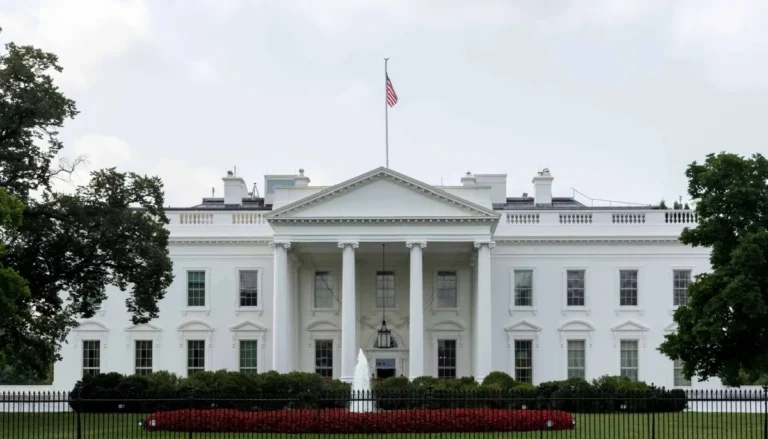
(FILE) The White House. Photo: EFE.
October 1, 2025 Hour: 1:19 am
🔗 Comparte este artículo
The U.S. Federal Government has shut down after Republicans and Democrats failed to reach a budget agreement before Wednesday’s deadline. For now, it affects only non-essential services, but it could compromise other functions of the central administration if the legislative deadlock continues.
RELATED: What’s Behind Possible U.S. Government Shutdown?
Both parties had until 11:59 p.m. local time on September 30, when the fiscal year ended, to approve funding that would allow government agencies to continue operating fully.
As of Tuesday, Republicans had only managed to secure two of the seven Democratic votes they needed in the Senate to pass a provisional funding package that would have kept the government fully operational for another seven weeks.
For their part, Democrats also failed to obtain the 13 votes required for their budget proposal, which allocated more funding to healthcare and, like the Republican bill, was lastly rejected in the upper chamber.
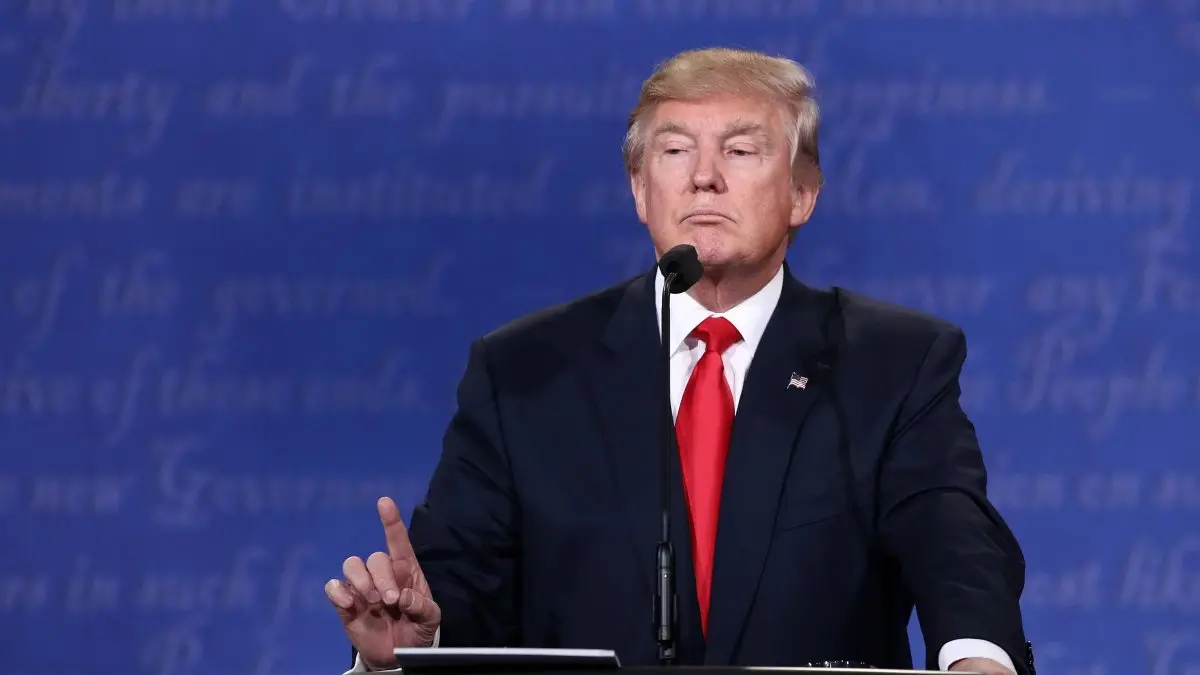
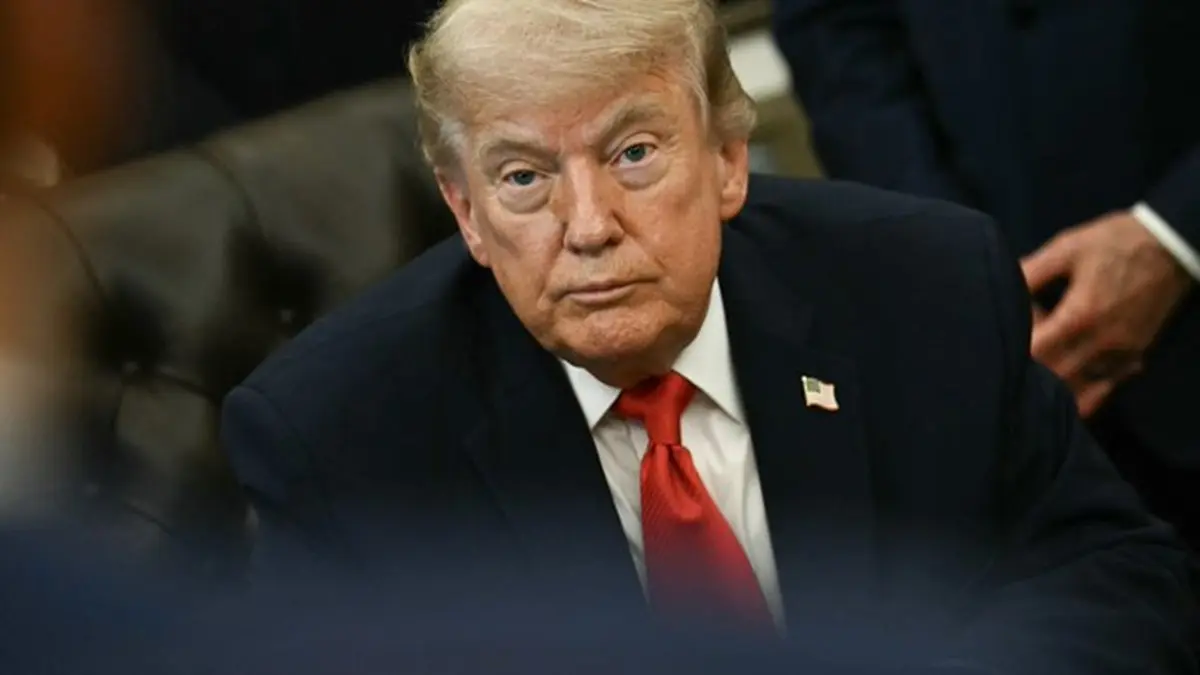
Throughout the day, the White House under Trump’s far-right administration has been trying to put the blame on democrats, accusing them of “prioritizing” what it calls “radical left policies” over U.S. citizens.
Democrat Senator Bernie Sanders has argued that “this government shut down is all about whether Republicans will get away with raising health care premiums by 75% for 20 million Americans and throwing 15 million people off their health care.”
To provide the necessary votes for the Republican package, liberals have said they need the renewal of Obamacare subsidies expiring this year and the reversal of healthcare cuts included in the sweeping tax and budget reduction law pushed by President Donald Trump—something conservatives insist they will only negotiate once the budget allocations are approved.
Law enforcement, the military, airports, and Social Security will continue to operate as usual. However, concerns remain that employees in these sectors will go without pay until Congress resolves its differences and passes a new budget.
During the most recent—and longest—partial government shutdown in U.S. history, which lasted a month in Donald Trump’s first term, ten air traffic controllers called in sick, triggering a temporary halt to operations at New York’s LaGuardia Airport and delays at several other major airports across the Northeast and Southeast.
That wave of air travel disruption ultimately proved decisive in pressuring both parties to reach a deal that ended the shutdown in January 2019.
Author: vmmh
Source: EFE / The White House / Bernie Sanders