







U.S. Blockade Leaves Airlines Without Fuel in Cuba
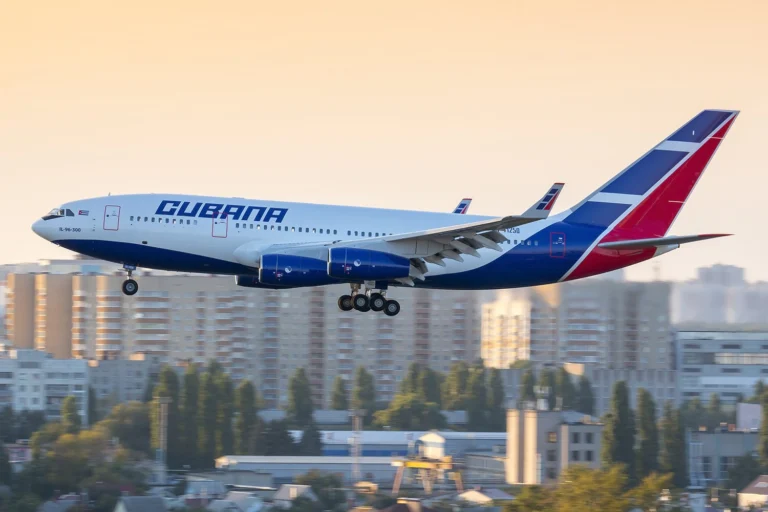
X/@MegaGeopolitics.
February 9, 2026 Hour: 10:09 am
🔗 Comparte este artículo
Fuel shortage will affect international airports up to March 11.
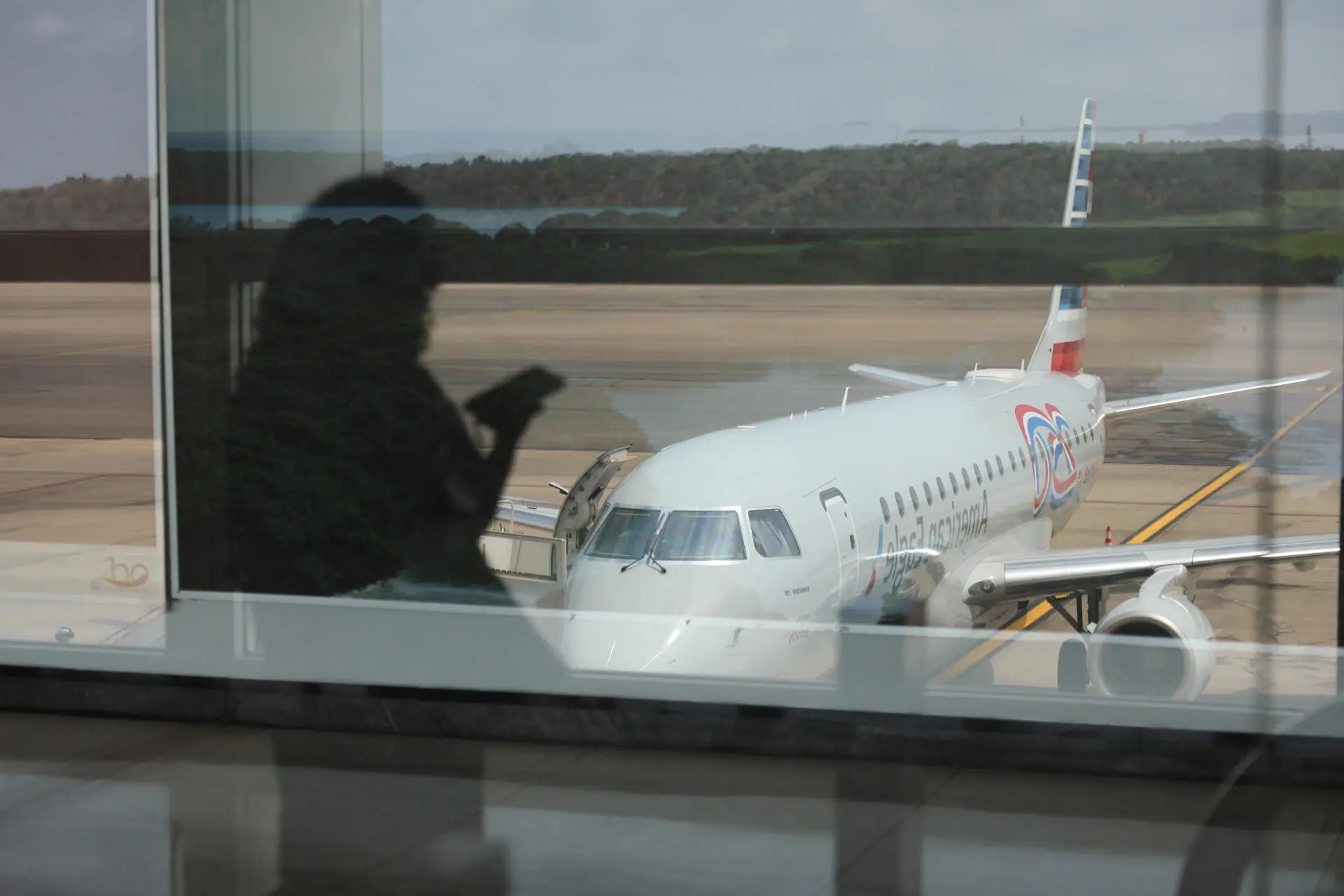
On Sunday, the Cuban government informed international airlines that aviation fuel will be unavailable starting Monday due to the U.S. oil blockade.
RELATED:
Cuba Takes Emergency Measures as U.S. Blockade Triggers Severe Fuel Crisis
The message under the code “JET A1 FUEL NOT AVBL” specifies that the kerosene shortage will affect all of Cuba’s international airports from February 10 to March 11.
The affected airports include Jose Marti (Havana), Juan Gualberto Gomez (Varadero), Jaime Gonzalez (Cienfuegos), Abel Santamaria (Santa Clara), Ignacio Agramonte (Camagüey), Jardines del Rey (Cayo Coco), Frank Pais (Holguin), Antonio Maceo (Santiago), and Sierra Maestra (Manzanillo).
U.S., Spanish, Panamanian, and Mexican airlines have not yet announced how they will address the situation, which could disrupt routes and schedules. In previous crises, flights made stopovers in Mexico or the Dominican Republic.
Most flights connect Cuba with Florida, Madrid, Panama City, Mexico City, Merida, Cancun, Bogota, Santo Domingo, and Caracas. The announcement deals a blow to the Cuban tourism sector, already affected by the pandemic and U.S. sanctions.
On Jan. 29, U.S. President Donald Trump signed an order imposing tariffs on countries that supply oil to Cuba, citing “national security risks.” This severely impacted Cuba, which produces only a third of its energy needs and depends on imports.
The Cuban government launched an emergency plan that includes ending diesel sales, reducing work hours in hospitals and state offices, and closing hotels to subsist without crude oil imports.
The island faces Trump administration’s actions following six years of economic crisis, high inflation, shortages of basic goods, prolonged daily blackouts, and mass migration.
teleSUR: JP
Source: EFE