







Trump Says U.S. Fleet Is Moving Toward Waters Near Iran
Donald Trump said the United States has a “large fleet” moving toward waters near Iran, as Washington imposed new sanctions and issued renewed warnings to Tehran.
January 23, 2026 Hour: 1:16 am
🔗 Comparte este artículo
Donald Trump said the U.S. has a “large fleet” moving toward waters near Iran, as Washington imposed new sanctions amid protests and rising tensions.
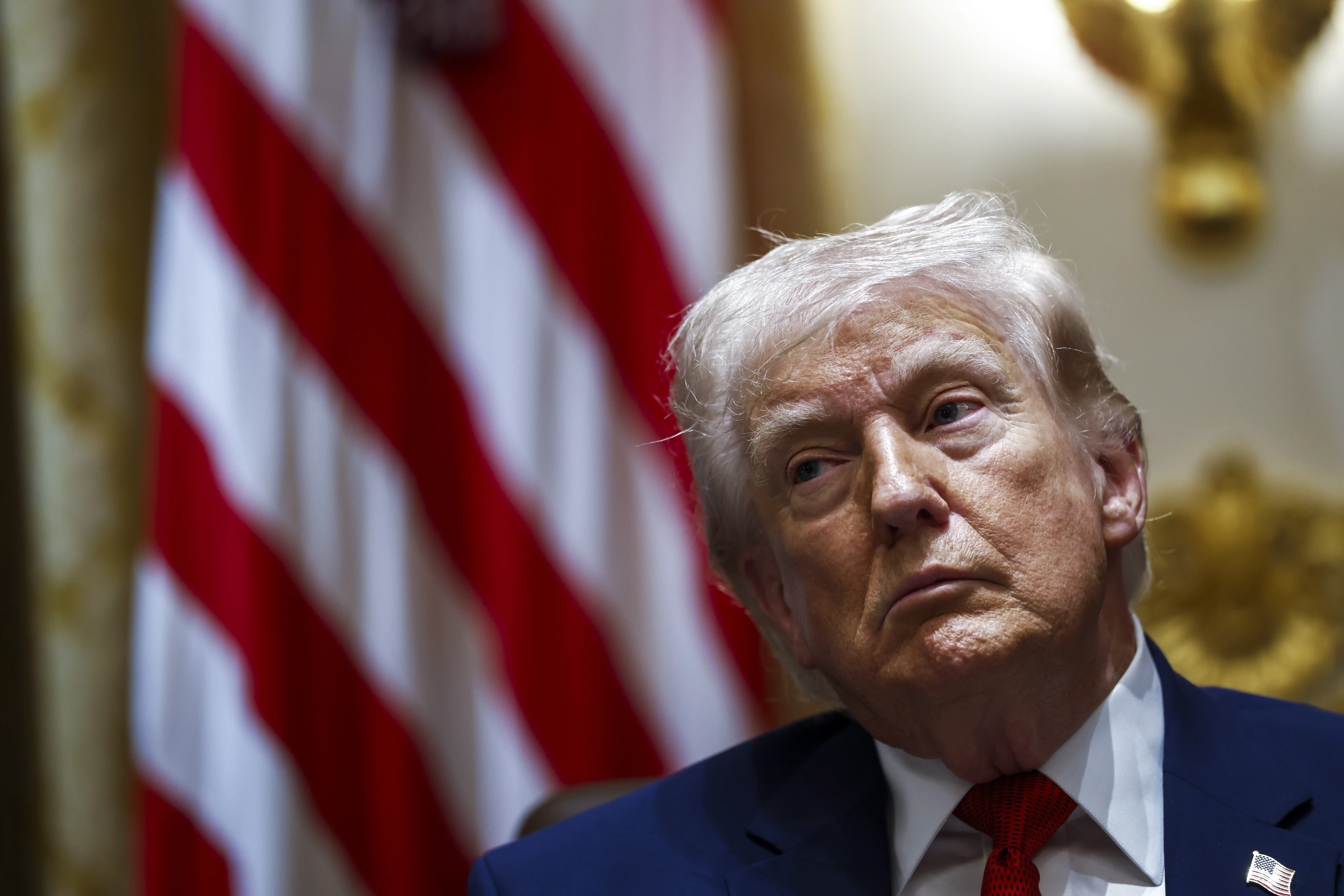
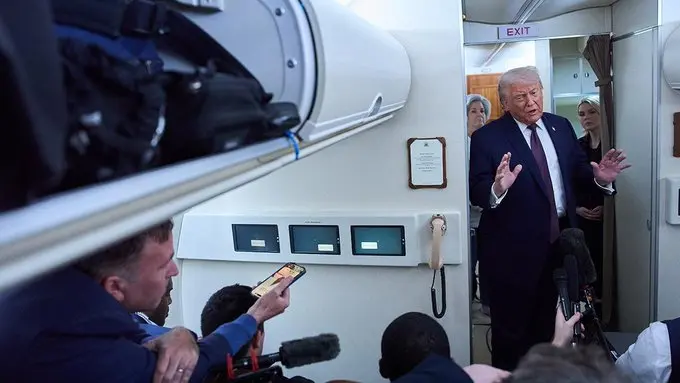
U.S. President Donald Trump said on ThÑursday that the United States has a “large fleet” heading toward waters near Iran, while warning Tehran to halt what he described as repression amid weeks of protests across the country.
Speaking to reporters aboard Air Force One, Trump stated: “We have a lot of ships going in that direction, just in case, we have a big flotilla going over there, and we’ll see what happens.” His remarks came amid escalating tensions between Washington and Tehran and reports by defense experts of increased U.S. naval activity.
RELATED: Iran Warns U.S. and Israel of ‘Painful’ Retaliation
Those reports indicate that the nuclear-powered aircraft carrier USS Abraham Lincoln and its strike group were sighted leaving the South China Sea, apparently heading toward the Indian Ocean. Trump said he hoped the situation would not escalate but stressed that U.S. authorities were closely monitoring developments in Iran.
“I would prefer that nothing happens, but we’re watching them very closely. I stopped 837 executions on Thursday (last week). Otherwise, they would have died. They all would have been hanged,” Trump said, reiterating his claim that U.S. pressure prevented Iran from executing individuals involved in the ongoing protests.
Asked whether Washington is seeking the resignation or exile of Iran’s Supreme Leader, Ali Jamenei, Trump replied: “I don’t want to get into details.” He repeated that the United States has “a big flotilla going in that direction, and maybe we won’t have to use it,” adding: “The point is, they know what we’re looking for. A lot of killings are happening.”
On the same day, the U.S. Treasury Department announced new Iran-related sanctions targeting 11 individuals and 13 entities, including Ali Larijani, secretary of Iran’s Supreme National Security Council.
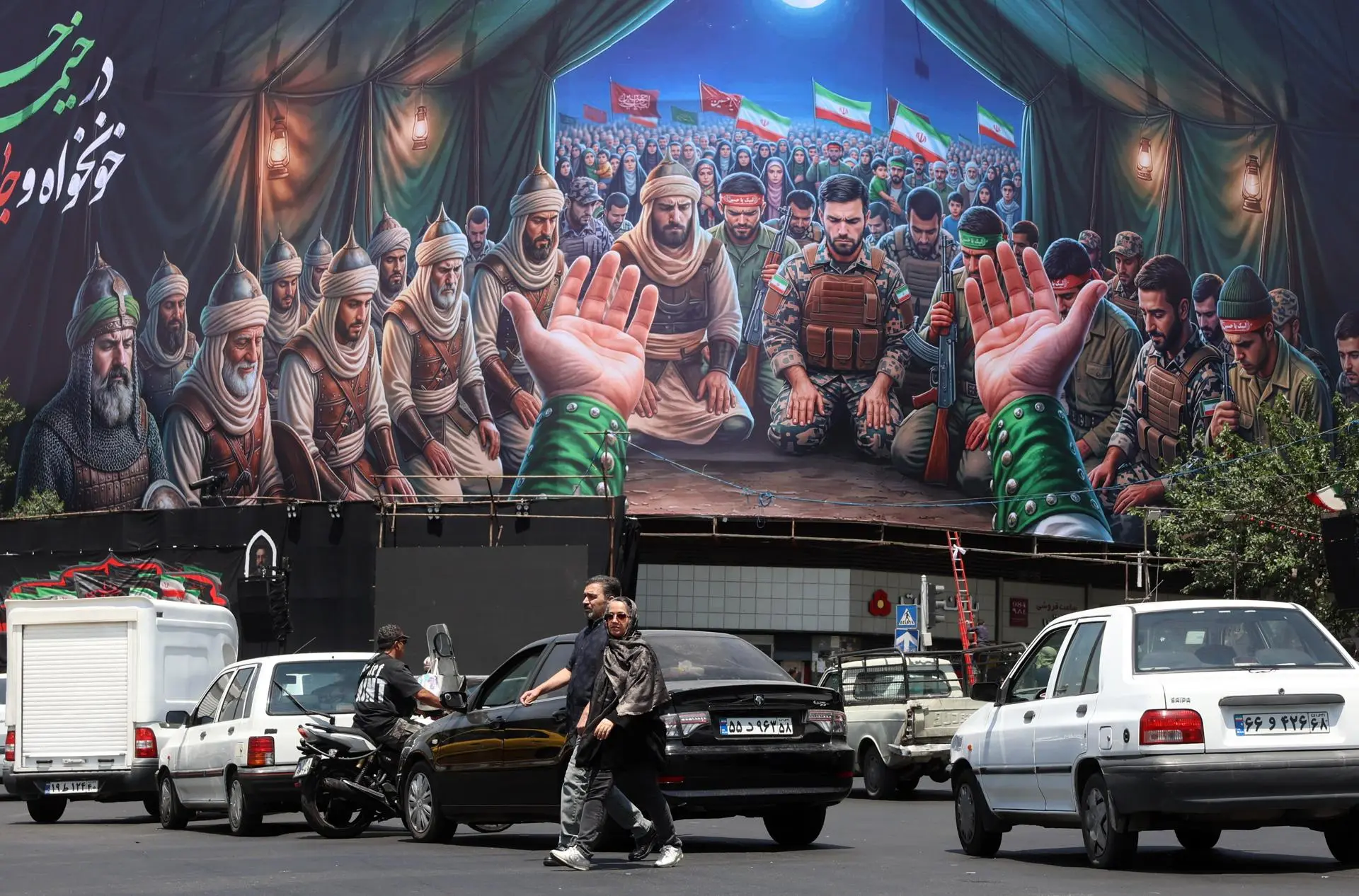
Iran has experienced widespread protests since late December, driven by a sharp deterioration in economic conditions. Inflation is estimated at around 39 percent annually, while the national currency has depreciated significantly, falling from about 50,000 rials per U.S. dollar on the open market in May 2018 to more than 1.4 million rials by the end of 2025.
ince the protests began, Iranian human rights activists in exile estimate that deaths range between 2,600 and over 3,400, with between 10,000 and 18,400 people detained, along with thousands injured. The demonstrations, supported by Reza Pahlavi, son of Iran’s former monarch, represent one of the most serious challenges to the authorities in power since 1979. Iranian officials have accused the United States and Israel of orchestrating the unrest.
Iranian Parliament Speaker Mohamad Baqer Qalibaf said the Islamic Republic would not hesitate to strike targets inside Israel and U.S. military facilities in the Middle East if subjected to armed aggression. Trump responded that any such action would be met with “a force that they have never experienced before,” and later announced an additional 25 percent tariff on any country conducting business with Iran.
Author: MK
Source: EFE - Sputnik