







Kremlin highlights willingness to engage in dialogue among European leaders
Moscow sees the change in stance by European nations, which are now opting for a negotiated solution to the conflict in Ukraine, as a positive development.
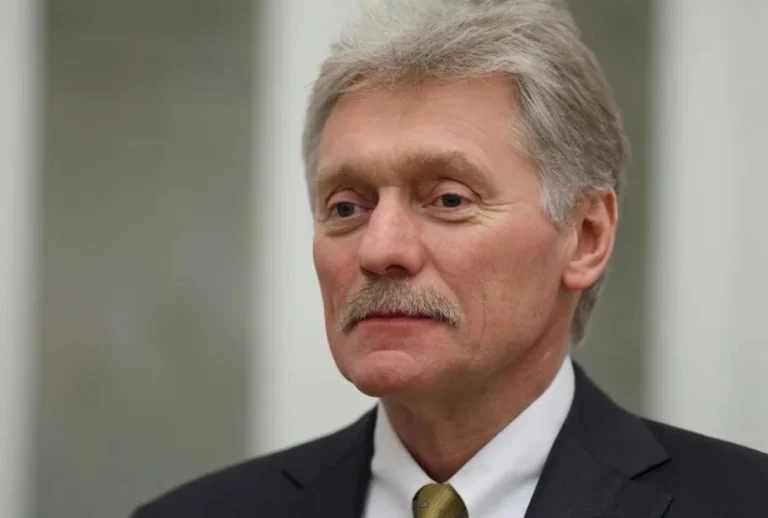
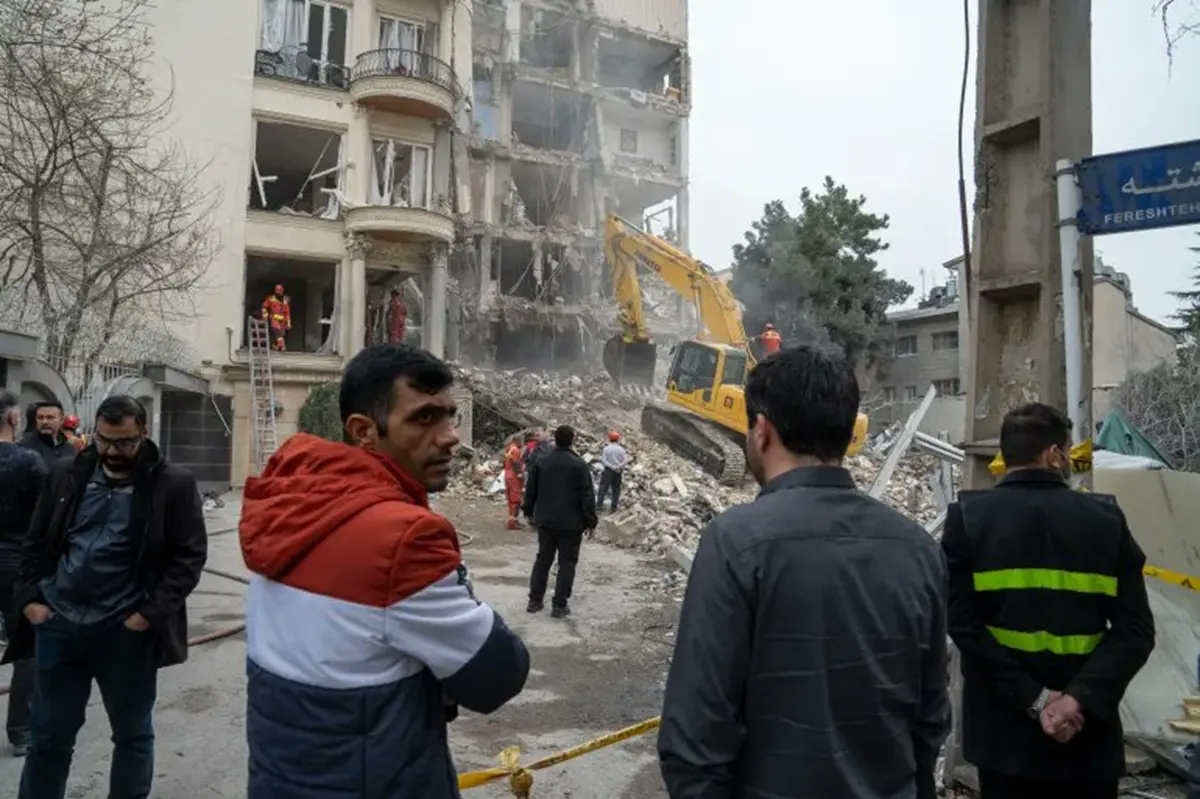
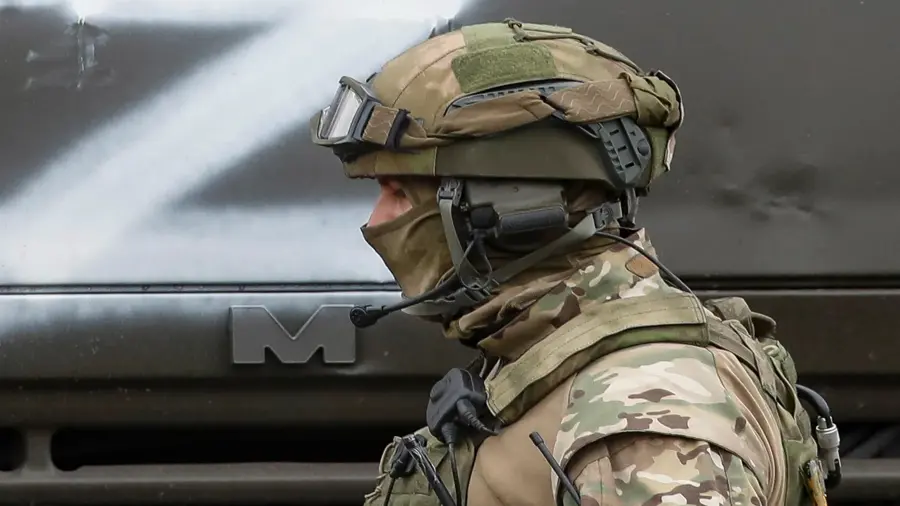
For the Russian government, the fact that influential countries within the European Union recognize the need to talk with the Russian president is a sign of political realism compared to previous strategies that sought only a military solution. Photo: EFE.
January 16, 2026 Hour: 3:59 pm
🔗 Comparte este artículo
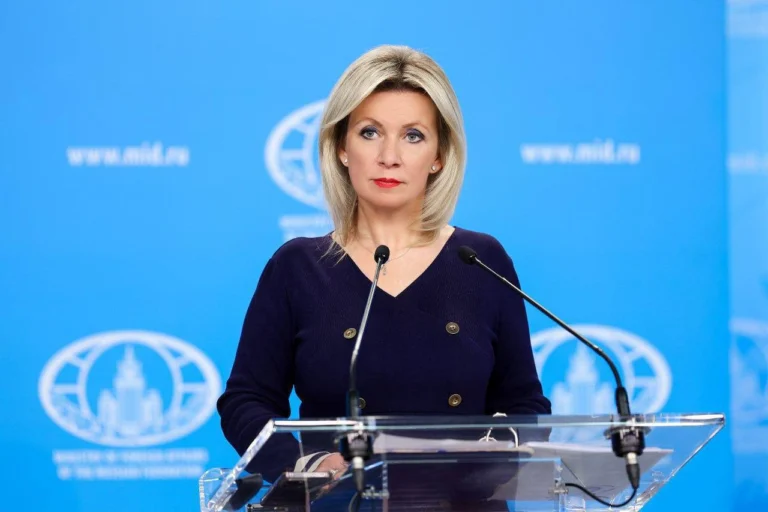
The Kremlin described the recent willingness expressed by several European powers to re-establish communication channels with Russian President Vladimir Putin as a “notable step forward” on Friday, January 16. Russian presidential spokesman Dmitry Peskov noted that this opening represents a significant shift in Western rhetoric, finally moving toward the pursuit of regional stability, which had been ignored during the recent years of confrontation.
This reaction follows the positions of France, Germany, and Italy, nations that have begun to prioritize diplomatic contact with Moscow as a path to a peaceful settlement. For the Russian government, the fact that influential countries within the European Union recognize the need to speak with the Russian leader is a sign of political realism compared to previous strategies that sought exclusively a military resolution.
RELATED:
Venezuela Strengthens Security Alliances With Netherlands and Russia
However, this trend toward dialogue is not unanimous across the continent. The United Kingdom maintains a position of total rejection of any rapprochement, an attitude that Peskov harshly criticized, stating that London does not seem interested in contributing to European peace. Likewise, the European Commission has shown caution, postponing the possibility of direct official meetings to a future they still consider distant and conditional.
In contrast, figures such as Emmanuel Macron and Giorgia Meloni have spearheaded the proposal to even appoint a special envoy of the European Union to facilitate talks. Moscow perceives this move as a positive development, moving away from the “utopian declarations” that predicted a supposed Russian defeat on the battlefield, and replacing them with a more coherent strategic vision focused on collective security.
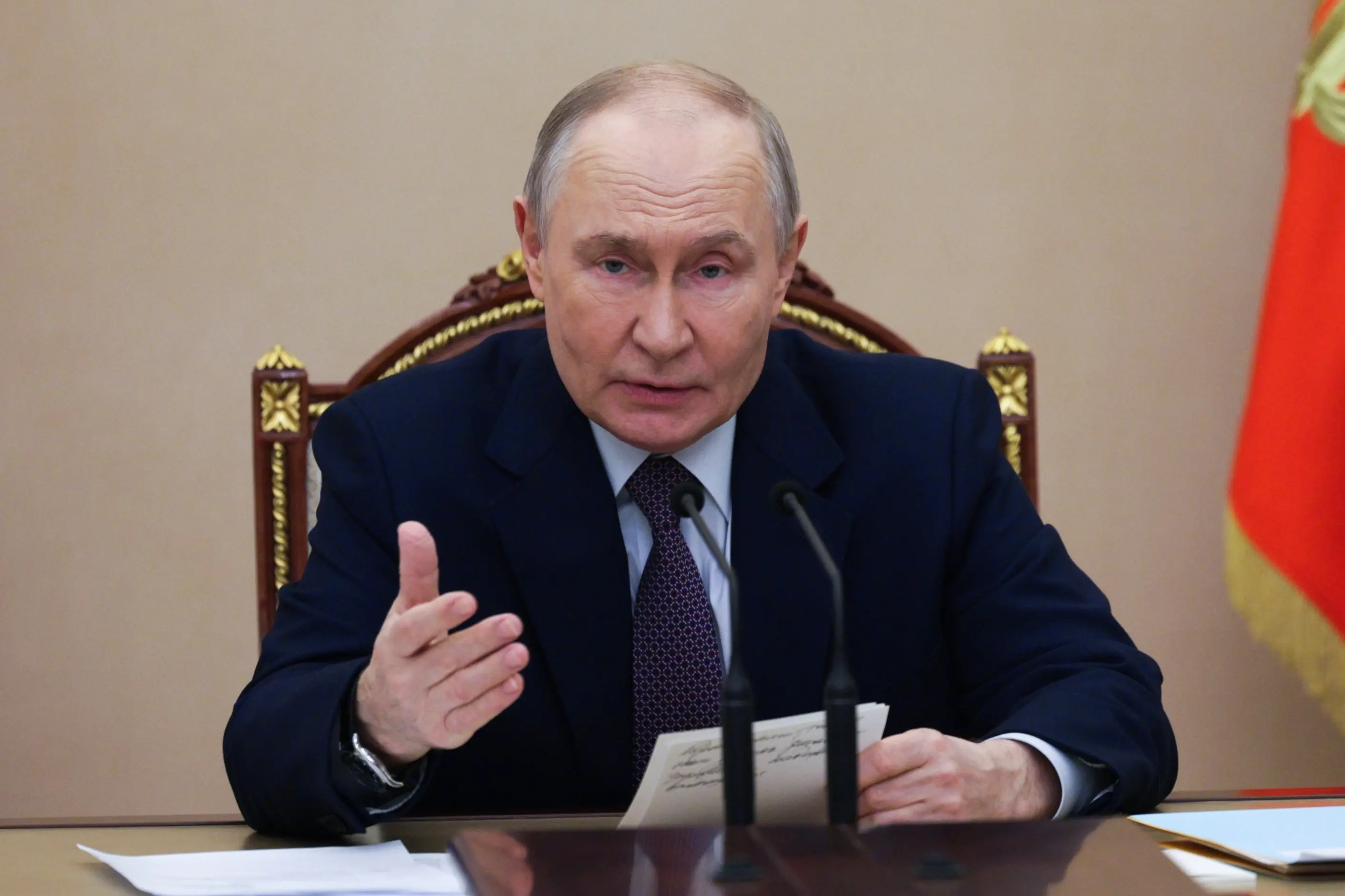
During a recent ceremony welcoming European diplomats, Vladimir Putin himself reiterated that Russia is prepared to normalize bilateral relations. The president emphasized that the cooling of relations in the business and government sectors was not the responsibility of his administration, and expressed his desire to resume constructive communication based on respect for national sovereignty.
The debate on peace in Ukraine now includes the possibility of deploying peacekeeping forces once an agreement is reached. Although Russia has reservations about the presence of Western troops, there is diplomatic openness if the participation of nations from the Global South, such as China, is guaranteed. This balance of power would seek to ensure that any security commitment is robust and respects the strategic concerns of all parties involved.
Author: HGV
Source: Agencias