







Sweden Votes As Far Right Seeks A Role In Government
Swedes are voting in a closely fought parliamentary election that could bring the Sweden Democrats into government for the first time. Prime Minister Ulf Kristersson’s right-wing bloc has narrowed the gap with the centre-left opposition.
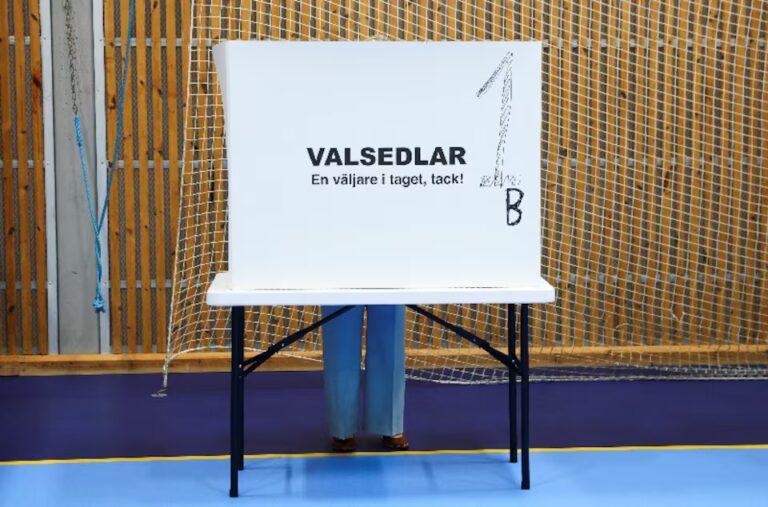
Swedes cast ballots in a closely contested parliamentary election that could bring the Sweden Democrats into government for the first time. Photo: Reuters
September 13, 2026 Hour: 7:09 am
🔗 Comparte este artículo
A close election could bring the Sweden Democrats into government for the first time or return Sweden toward its traditionally liberal politics.
Swedes voted Sunday in a closely fought parliamentary election that could bring the far-right Sweden Democrats into government for the first time, with Prime Minister Ulf Kristersson’s ruling bloc narrowing the gap with the centre-left opposition in the final weeks of the campaign.
RELATED: Sweden Sends First Four Prisoners to Estonia Under Prison-Leasing Agreement
Several opinion polls this week showed the centre-left opposition holding a narrow lead over the governing right-wing bloc ahead of the Sept. 13 election. Kristersson, who has trailed in polling throughout his four years in office, has nevertheless gained ground as Social Democrat leader Magdalena Andersson has lost support.
Kristersson has pledged to bring the Sweden Democrats into government if his bloc wins. “We can unify parties, voters and issues into joint action. That’s why we get things done,” he told reporters this week.
Critics argue that the government’s policies have weakened civil liberties while pushing immigrants to conform more closely to Swedish cultural norms through a combination of incentives and penalties.
“We’ve become a harder society, a quieter society, but also a poorer society as we’ve had growth far below our potential and where households see their paychecks buy less and less,” Andersson told Reuters, saying that bringing people together had made Sweden strong.
Supporters of the right-wing bloc contend that its policies have helped curb gang violence and sharply reduce immigration. They say an election victory would amount to public backing for that approach and for further measures in the same direction.
Another country
Polling stations opened at 8 a.m. local time in the European Union member state of 10 million people, which joined NATO after Russia’s full-scale invasion of Ukraine. Exit polls were expected shortly after polls close at 6 p.m., with initial data indicating the result due around 7 p.m.
In Rinkeby, a northern Stockholm suburb that police designate as extremely socially deprived, some voters worried the election could make conditions worse.
“They target Muslims; they single out Muslims and immigrants. But immigrants contribute to society,” said Kahin Ahmed, 57, a sociologist who came to Sweden from Somalia as a refugee.
“A quarter of those working in healthcare are immigrants. If immigrants stayed home for a single day, Sweden wouldn’t function,” he said.
Over the past four years, the minority government backed by the Sweden Democrats has abolished permanent residency for refugees, tightened welfare rules and increased expulsions of people without the right to remain in Sweden.
Sweden Democrat leader Jimmie Akesson, who voted Saturday in Rinkeby, said the suburb, home to one of the country’s largest Swedish-Somali populations, “doesn’t look like Sweden.”
The Sweden Democrats have pledged to ban both the niqab and burqa if they enter government. Akesson told Reuters that such clothing “reflects values that I don’t think belong in Sweden.”
Bulding a government
The right-wing parties have already agreed to form a four-party government led by Kristersson if they win. Andersson faces a more uncertain path to power.
The outcome could depend on whether the Liberals clear the 4% threshold required to win parliamentary seats, potentially strengthening a right-wing bloc made up of the Moderates, Christian Democrats and Sweden Democrats. Kristersson invited the Sweden Democrats into the governing arrangement earlier this year.
The Sweden Democrats have spent four years supporting Kristersson’s minority government in parliament, using that role to build credibility with the broader right-wing bloc.
The rival blocs have converged on several issues that matter to voters, including support for Ukraine, military rearmament and measures to ease the pressure on households facing the cost-of-living crisis.
The Social Democrats, Greens, Left Party and Centre Party broadly agree on the need for higher welfare spending and greater public expenditure. But they remain divided over several issues, including immigration, where Andersson’s party favors a more restrictive approach than some of its potential partners.
The opposition parties also disagree over a tax on billionaires and the construction of new nuclear reactors. The Centre Party has refused to support a government that includes the Left Party, further complicating Andersson’s efforts to form a cabinet.
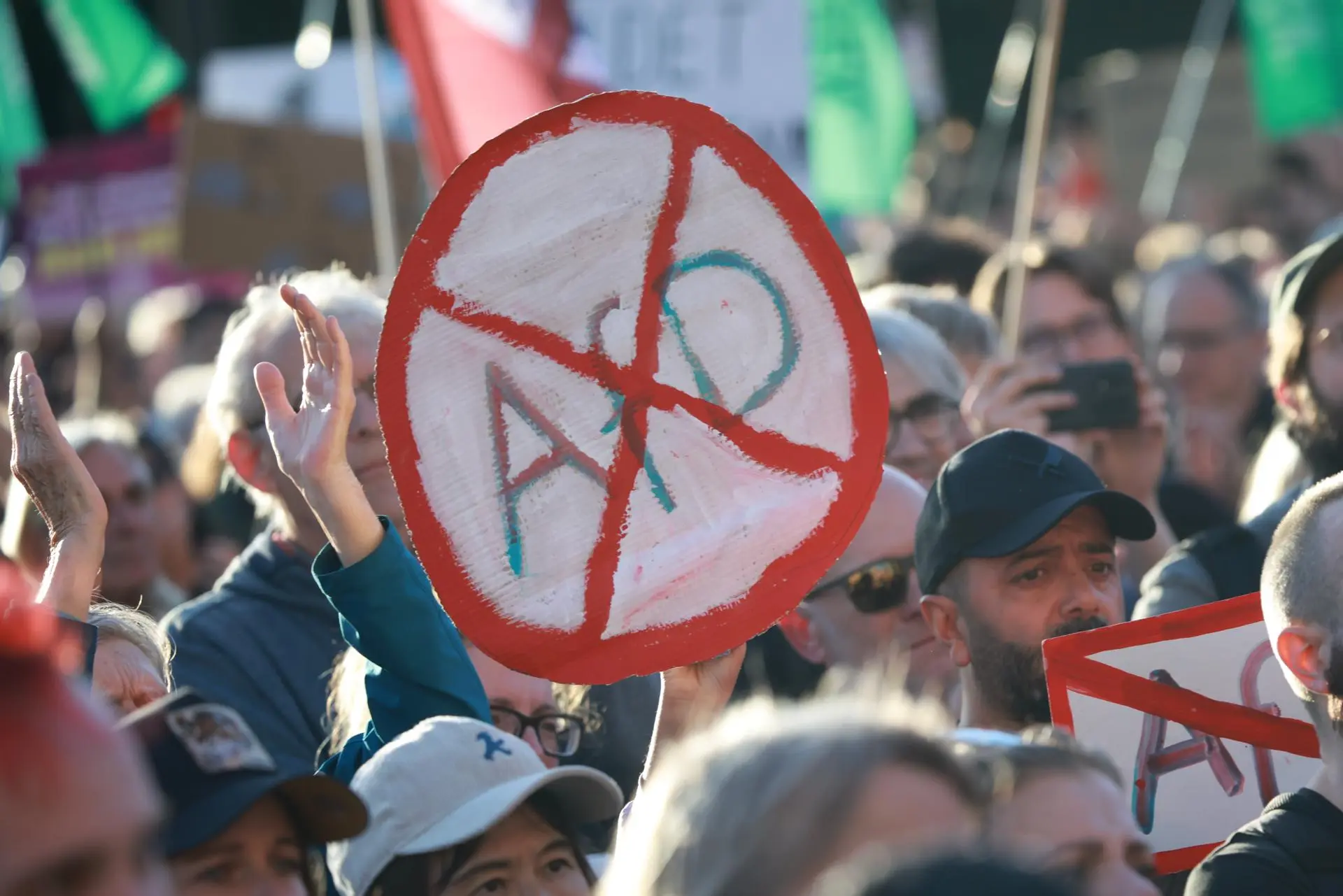
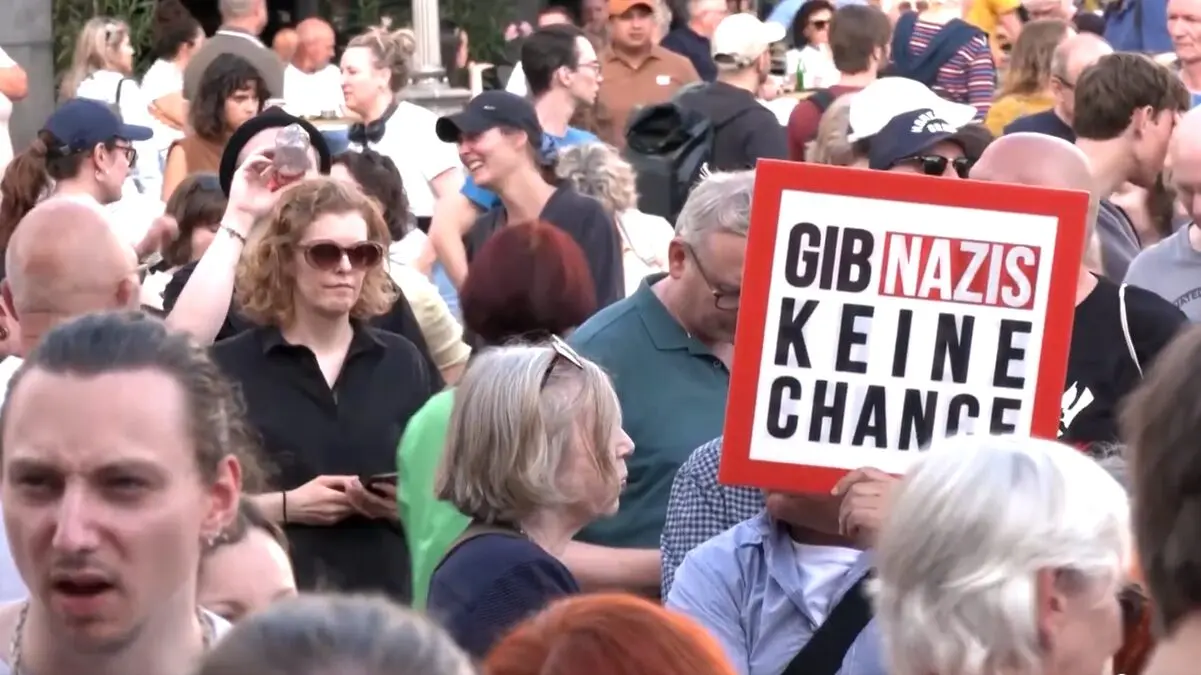
A strong result for the Sweden Democrats would likely be welcomed by Europe’s growing far-right parties, following a significant victory this month by Germany’s anti-immigrant Alternative for Germany in a state election.
The election will determine whether Kristersson remains in power and whether the Sweden Democrats move from parliamentary support for a minority government to a formal role in Sweden’s government.