







Sudanese Army Withdraws from El Fasher, RSF Claims Full Control of Darfur
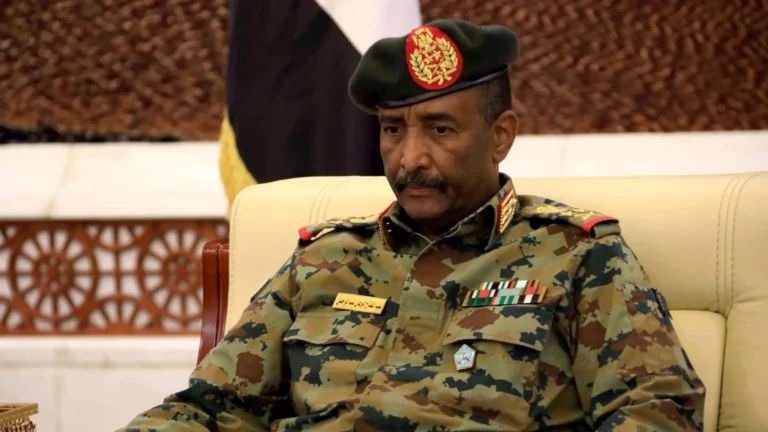
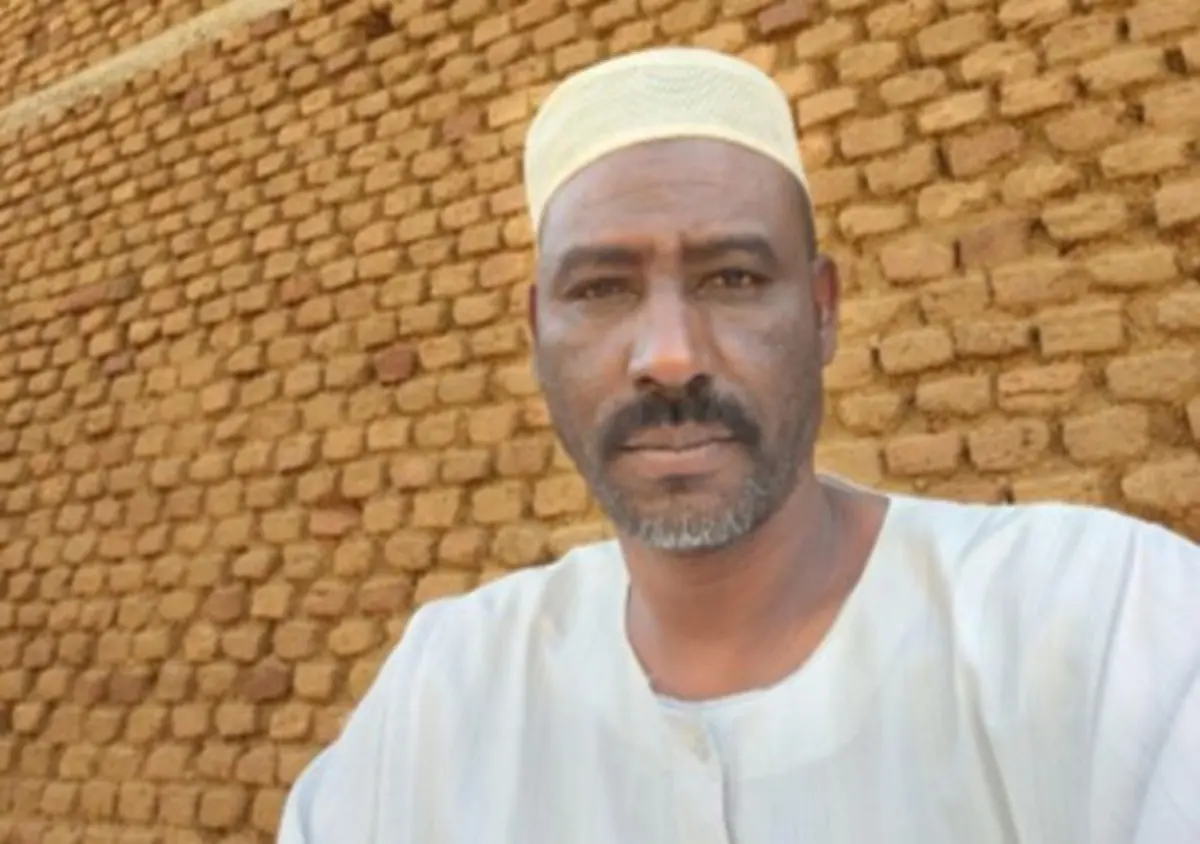
(FILE) The Chairman of Sudan’s Sovereignty Council, Abdel Fattah al-Burhan. Photo: EFE.
October 28, 2025 Hour: 5:57 am
🔗 Comparte este artículo
The Chairman of Sudan’s Sovereignty Council, Abdel Fattah al-Burhan confirmed on Monday that government forces have withdrawn from El Fasher, the capital of North Darfur, marking a major setback for the army and a decisive victory for the Rapid Support Forces (RSF). The paramilitary group, which announced full control of the city on Sunday, now effectively dominates the entire Darfur region.
RELATED: UN warns of crisis in Sudan affecting 30 million people
In a televised address shared on X by the Sudanese Armed Forces, al-Burhan said that local commanders in El Fasher had made the “difficult but necessary” decision to leave the city in order to protect remaining civilians from further bloodshed.
He further vowed that the army would “avenge our martyrs” and “purge the country of mercenaries,” a reference to the RSF.
Al-Burhan asserted that the army remains capable of regaining the initiative and “achieving victory after victory,” portraying the withdrawal as a tactical move rather than a defeat. He also criticized the international community for its inaction, accusing global powers of “watching in silence” as war crimes unfold in Darfur.
The RSF’s capture of El Fasher represents a major turning point in Sudan’s nearly three-year conflict. With this advance, the group now controls all five states of the Darfur region, consolidating power across western Sudan and leaving the army largely confined to the east.
The fall of El Fasher has intensified fears of a de facto partition of the country — between an RSF-controlled west and army-held territories in the east and north.
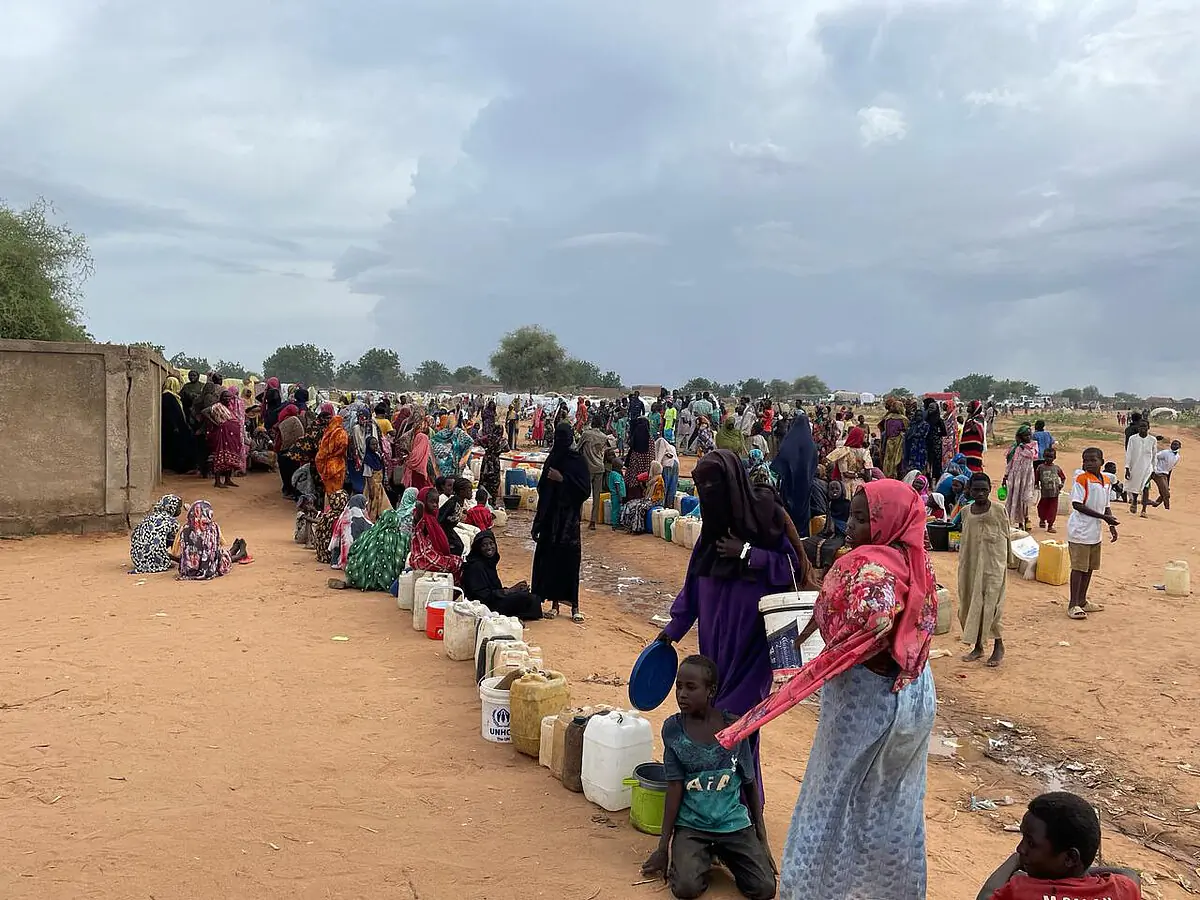
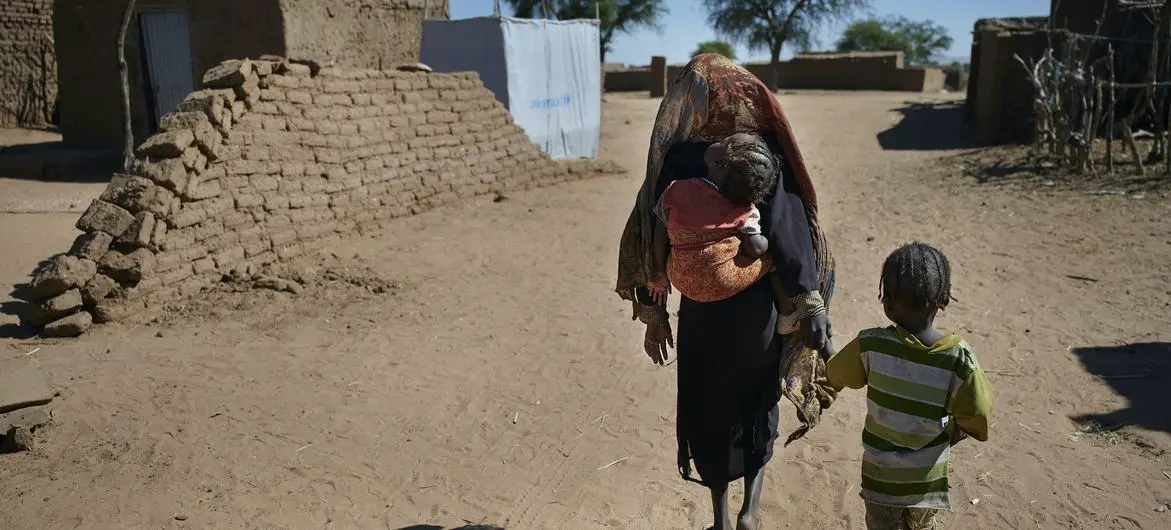
Humanitarian organizations and foreign governments are warning of possible atrocities, as reports emerge of widespread killings and destruction in the city. Roughly 250,000 civilians are believed to still be trapped in El Fasher, many of them facing shortages of food, medicine, and safe passage.
Author: vmmh
Source: Al-Mayadeen