


Sudan Faces Severe Food Insecurity Amid Conflict: 19.5 Millon People Affected
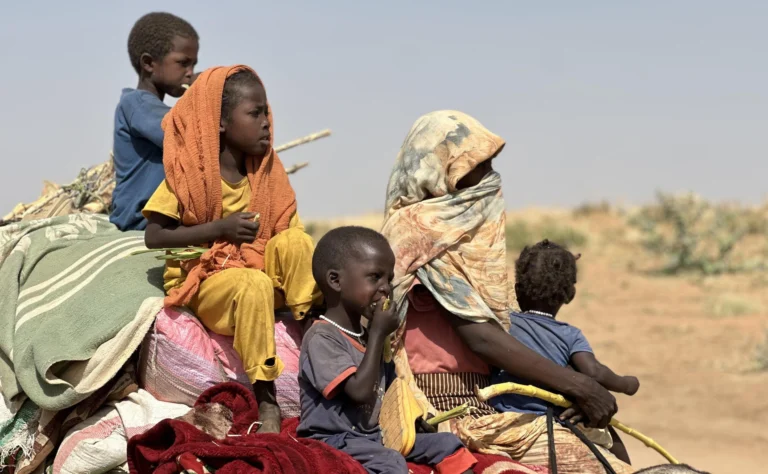
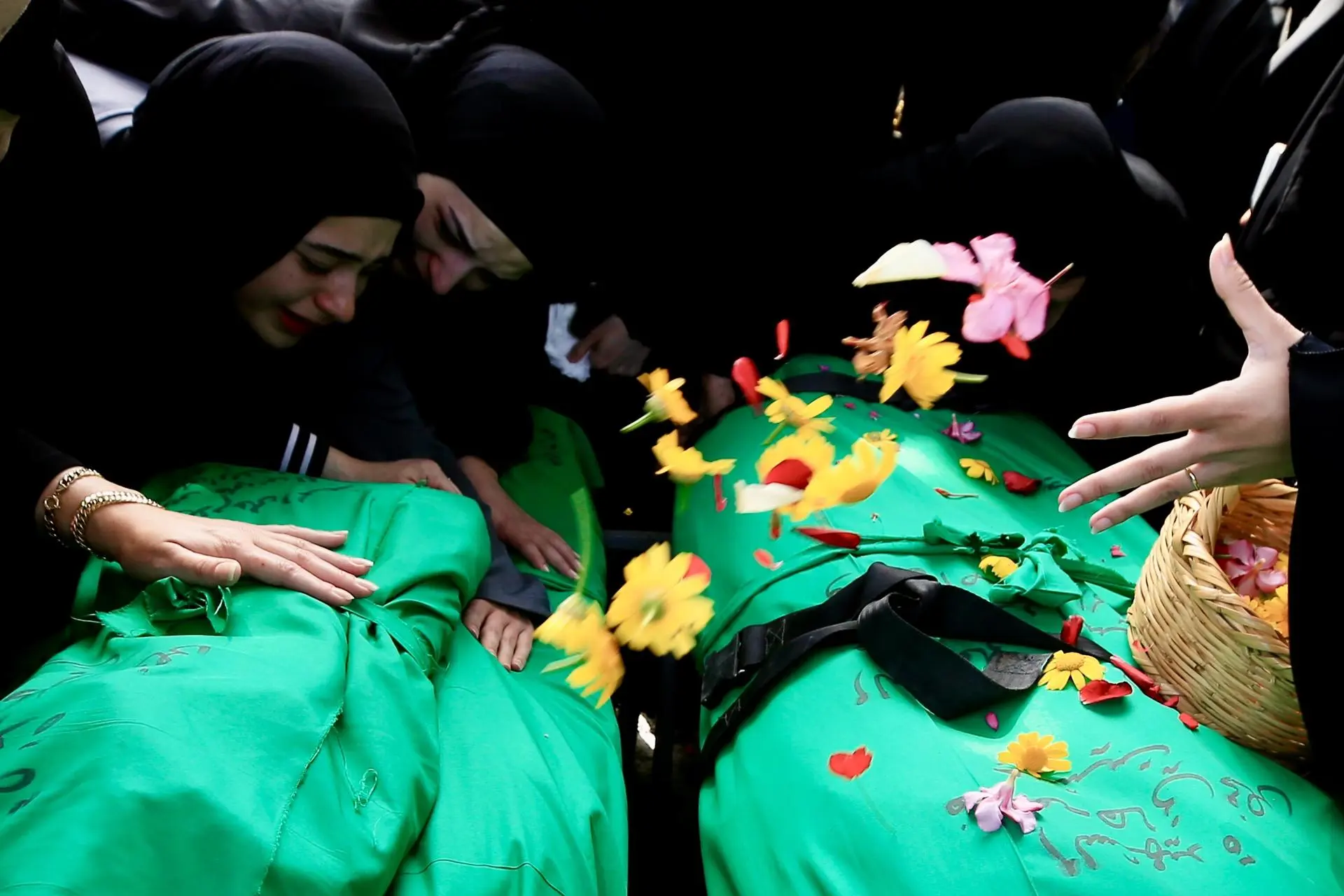
Internal displacement is reaching extreme levels, with some 9 million people forced to flee their homes by the end of March 2026. Photo: EFE.
May 15, 2026 Hour: 4:04 pm
🔗 Comparte este artículo
UN agencies alert two in five Sudan’s people face acute food insecurity, aggravated by ongoing conflict, widespread displacement and severe malnutrition.
The Food and Agriculture Organization (FAO), the World Food Programme (WFP) and the United Nations Children’s Fund (UNICEF) jointly declared this Friday that approximately 19.5 million people in Sudan, a figure representing two out of every five residents, confront critical levels of acute food insecurity.
This alarming situation underscores a deepening humanitarian catastrophe within the nation. The ongoing conflict, which began in April 2023, severely exacerbates hunger, malnutrition and mass displacement, pushing millions to the brink.
RELATED: UN Warns on Sudan Drones to Prevent An Humanitarian Catastrophe
Their collective report, released this May 15, indicated that the latest Integrated Food Security Phase Classification (IPC) analysis reveals around 135,000 individuals are experiencing catastrophic levels of food insecurity, designated as IPC Phase 5. These populations are primarily concentrated in 14 critical hotspots across Darfur, South Darfur and South Kordofan, regions where the risk of famine looms menacingly in the forthcoming months.
Furthermore, over five million people currently endure emergency conditions in IPC Phase 4, while another 14 million are grappling with crisis-level food insecurity in Phase 3. Experts anticipate this dire scenario could deteriorate significantly during the impending lean season, traditionally spanning from June to September, exacerbating existing vulnerabilities.
Conflict’s Human Toll
The protracted armed conflict in Sudan erupted in April 2023, pitting the Sudanese Armed Forces (SAF), led by General Abdel Fattah al-Burhan, against the paramilitary Rapid Support Forces (RSF), commanded by Mohamed Hamdan Dagalo. These relentless clashes have resulted in thousands of fatalities and triggered an unprecedented humanitarian and displacement crisis.
The United Nations (UN) agencies specifically warned that the persistent civil conflict continues to deepen the humanitarian emergency through widespread violence, pervasive forced displacement and severe restrictions impeding humanitarian aid access across vast areas of the country.
The nutritional situation for Sudan’s most vulnerable, particularly children, is equally alarming. Projections indicate that 825,000 children under the age of five are expected to suffer from severe acute malnutrition in 2026.
Data from January to March alone reveals that nearly 100,000 children have already commenced treatment for this life-threatening condition, which, if left unaddressed, carries a high risk of mortality. This escalating crisis highlights the devastating impact of the conflict on the health and future of an entire generation, emphasizing the urgent need for comprehensive nutritional interventions and accessible healthcare services.
Urgent Global Call
Internal displacement has reached extreme levels, with approximately 9 million people forced to abandon their homes by the end of March 2026. Many of these displaced individuals find themselves trapped within active conflict zones or have sought refuge in remote, underserved areas that offer extremely limited access to basic services such as clean water, sanitation, shelter and medical care. This widespread uprooting of communities disrupts livelihoods, education and social support systems, pushing millions into precarious living conditions.
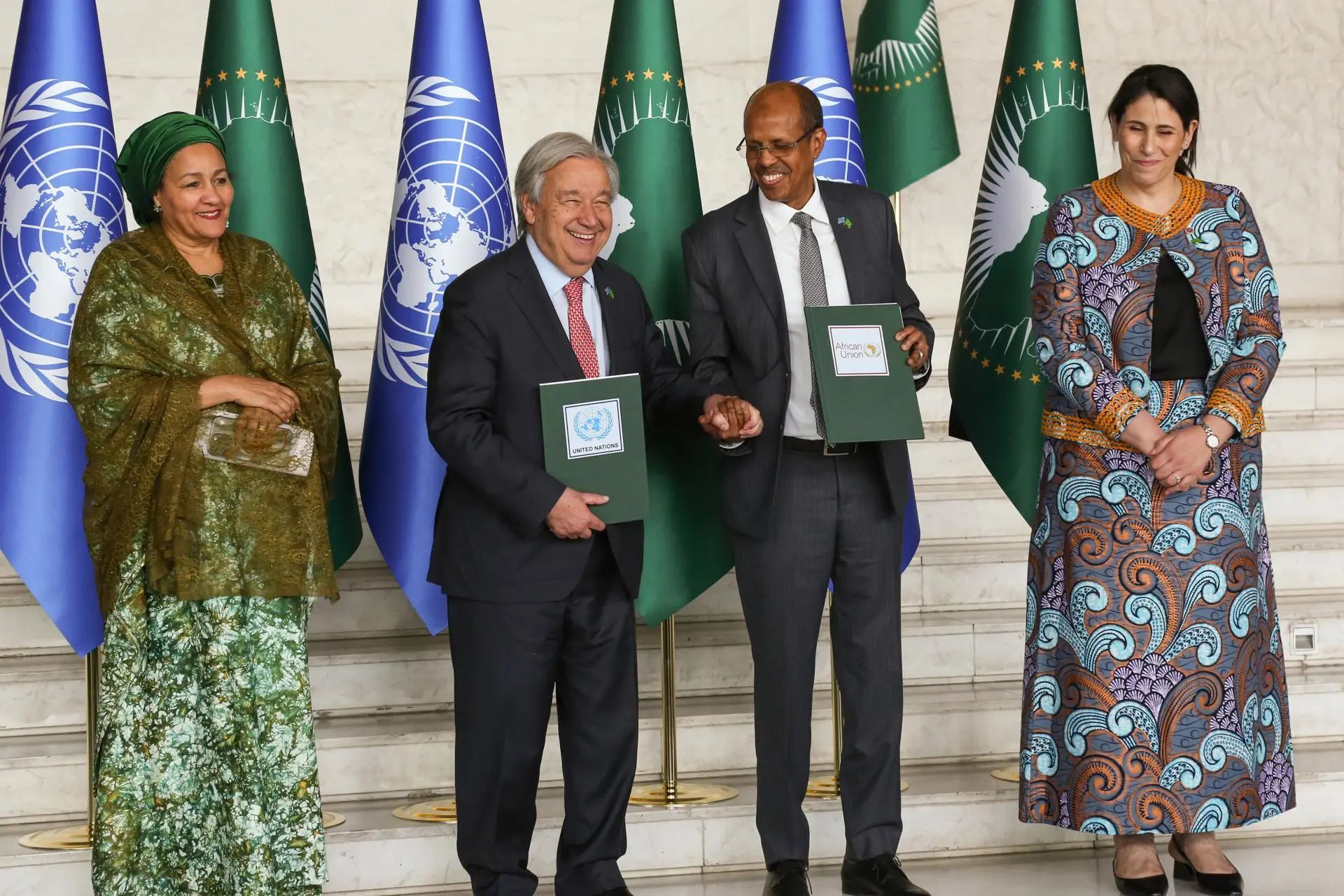
In light of these dire circumstances, the FAO, the WFP and UNICEF collectively issued an urgent demand for an immediate cessation of hostilities across Sudan. They also called for robust protection of civilian populations and essential infrastructure, which includes schools, hospitals and water systems.
Crucially, the agencies implored all parties to ensure rapid, safe and unhindered humanitarian access to all areas of the country, emphasizing that unrestricted movement is vital for delivering critical aid. Furthermore, they appealed to the international community to significantly and urgently increase funding for vital humanitarian sectors, including food, nutrition, health, water, sanitation and the reconstruction of livelihoods, to mitigate the ongoing catastrophic impact on the Sudanese people.
Author: Laura V. Mor
Source: FAO / WFP / UN