







Strait of Hormuz: Trump’s Alarming Annexation Threat Escalates Crisis
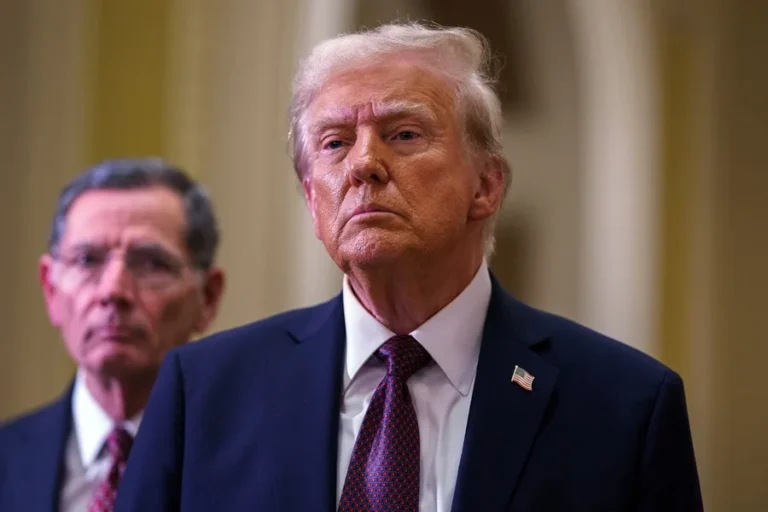
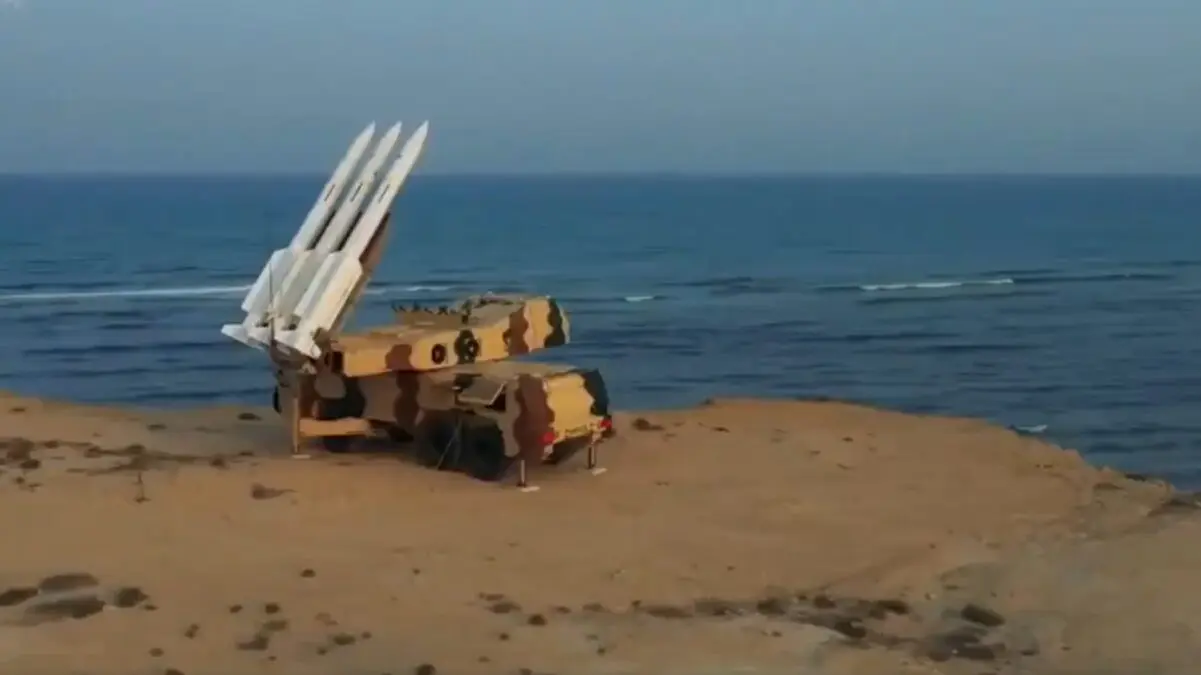
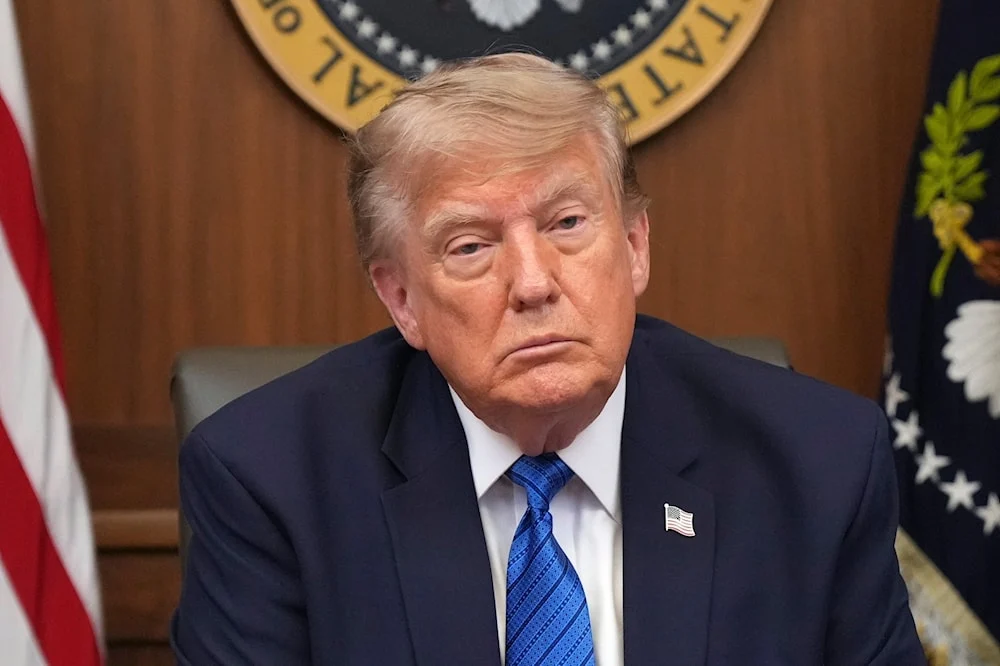
US President Donald Trump threatens to claim the Strait of Hormuz after the Iran conflict, prompting immediate rejection from Tehran. Photo: EFE.
August 15, 2026 Hour: 1:49 pm
🔗 Comparte este artículo
Strait of Hormuz tensions escalate after Trump threatens to claim the waterway as US territory, while Iran rejects the move and defends its sovereignty.
Related: Trump Says He Will Claim Strait of Hormuz as U.S. Territory
Strait of Hormuz Threat Deepens US-Iran Crisis
The Strait of Hormuz became the center of a new diplomatic dispute after US President Donald Trump threatened to declare the strategic waterway a potential territory of the United States.
Trump made the statement on Friday, August 14, during a public event in New York. He said Washington would consider the move after what he described as the defeat of Iran and the conclusion of US military operations against the country.
“After we finish defeating Iran, which is being very badly defeated, pretty soon I’ll be declaring the Hormuz Strait a territory of the United States,” Trump said during the event, according to reports. nypost
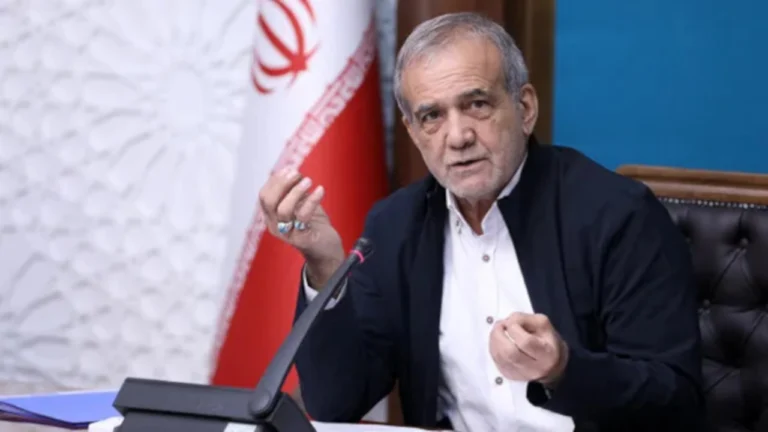
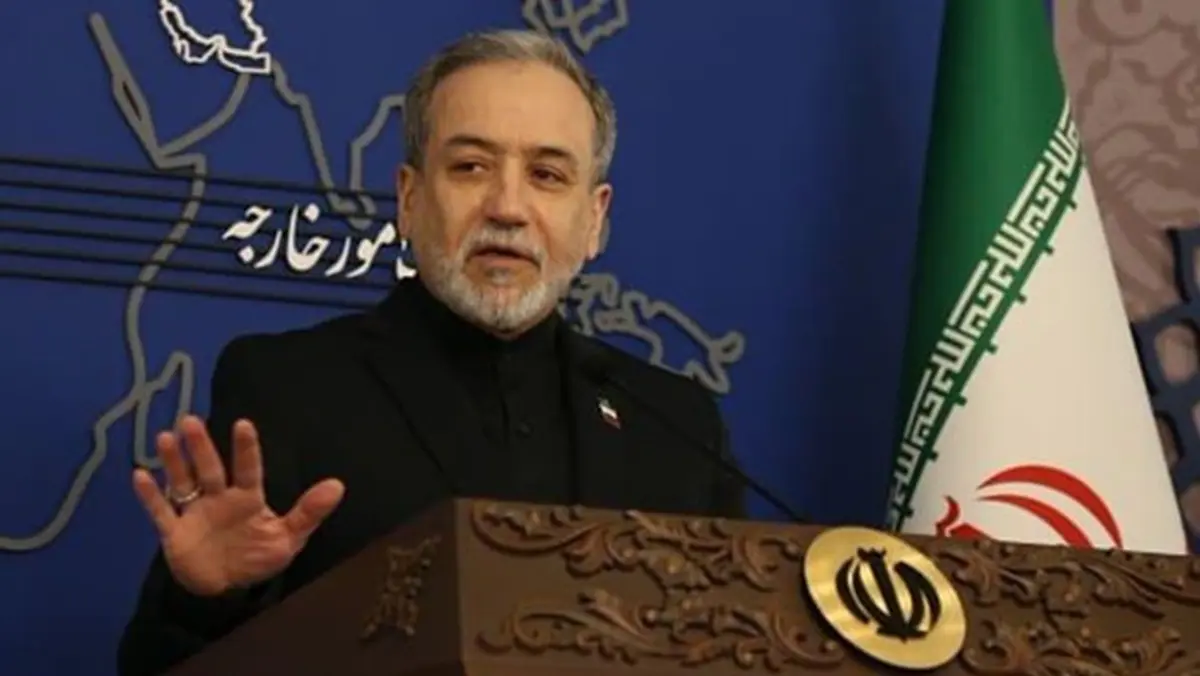
The threat immediately drew condemnation from Tehran. Iranian Foreign Minister Abbas Araghchi accused the United States of repeatedly violating its bilateral commitments and attempting to undermine Iran’s authority over the waterway.
The Strait of Hormuz lies between Iran and Oman and connects the Persian Gulf with the Gulf of Oman and the Arabian Sea. It is one of the world’s most important maritime corridors because large volumes of oil and liquefied natural gas pass through it.
Any attempt by a third country to claim the waterway would have major legal, military and geopolitical consequences. The strait is not recognized as US territory, and its waters are governed by the sovereignty of the coastal states and the international law of navigation.
Araghchi rejected the idea that Washington could assume ownership or control of the passage. He said Iran would not accept foreign military intervention in the region and maintained that the future of navigation must be addressed through agreements involving the countries bordering the waterway.
The Iranian foreign minister also said that the Islamabad Memorandum of Understanding formally ended the war between Washington and Tehran. His comments were made in response to questions about reports that the agreement could be extended for 60 days.
According to Araghchi, the memorandum did not establish a conventional ceasefire that could simply be renewed. Instead, he said it represented an agreement to end the war, although the situation changed after the United States allegedly violated the arrangement and hostilities resumed.
Strait of Hormuz Becomes Legal and Military Flashpoint
United Nations Convention on the Law of the Sea | International Maritime Organization
The status of the Strait of Hormuz is governed by a complex combination of coastal sovereignty and international navigation rights.
The waterway lies between the territorial waters of Iran and Oman. Under the United Nations Convention on the Law of the Sea, straits used for international navigation are subject to a regime known as transit passage.
That regime allows ships and aircraft to pass through international straits continuously and expeditiously. Coastal states retain sovereignty over their territorial waters, but they cannot arbitrarily eliminate the right of transit passage.
Legal experts at the University of Sunderland have noted that the convention prevents states bordering international straits from blocking or suspending transit passage. They also emphasize that Iran and Oman retain sovereignty over their respective territorial seas. sunderland.ac
Trump’s threat to declare the strait US territory therefore has no recognized legal basis under international law. It would also challenge the sovereignty of both Iran and Oman.
The statement has been interpreted by Tehran as a direct attempt to legitimize US military control over one of the world’s most sensitive waterways.
The United States has maintained a naval presence in the Persian Gulf for decades. Washington says its forces protect commercial shipping and respond to threats against vessels and energy infrastructure.
Iran argues that the presence of foreign warships increases tensions and undermines the rights of the states that border the waterway.
The dispute has intensified since the military confrontation between the United States, Israel and Iran began on February 28. Iran closed the maritime passage after the attacks, while Washington imposed a naval blockade on Iranian ports, according to Tehran.
The Islamabad memorandum was intended to end hostilities and establish a framework for the reopening of commercial traffic. Its provisions reportedly included a 60-day period of toll-free navigation, the removal of the US blockade and the creation of a mechanism for future maritime management.
Iran and Oman later established a joint working group to discuss navigation routes, maritime services and the long-term administration of the strait. The talks were conducted under the terms of the memorandum and in coordination with other Gulf states. trtworld
However, Araghchi has repeatedly stressed that negotiations with Oman do not automatically mean that the waterway has reopened.
The Iranian position is that commercial shipping can return only after Washington fulfills its obligations, ends the blockade and provides compensation for what Tehran describes as violations of the agreement.
Iranian officials have also demanded a broader regional ceasefire, sanctions relief and the unfreezing of Iranian assets held abroad.
The United States has not accepted Iran’s interpretation of the memorandum. Washington has continued to pressure Tehran over its nuclear program, military activities and regional alliances.
The disagreement over the document has created uncertainty about whether it remains legally valid. Some reports have described the arrangement as effectively collapsed after hostilities resumed.
For shipping companies, the uncertainty creates operational risks. Tankers must assess whether routes are safe, whether insurance is available and whether their cargoes could become targets during a confrontation.
Trump Threat Raises Energy and Regional Risks
US Energy Information Administration | UN Security Council
The Strait of Hormuz carries enormous importance for global energy markets. More than one-fifth of the world’s oil supply normally passes through the waterway, along with substantial volumes of liquefied natural gas.
A prolonged closure can raise oil prices, increase shipping costs and create shortages in countries dependent on imports from the Persian Gulf.
The disruption has already affected tanker traffic. Some ships have altered their routes, while others have remained at anchor waiting for guarantees of safe passage.
The closure has also placed pressure on the US Strategic Petroleum Reserve. Washington has released large volumes of crude to compensate for the interruption in global supply, but the reserve has fallen to its lowest level since the early 1980s.
The energy consequences extend to Europe and Asia. Countries that receive oil and gas through the waterway may have to rely on longer and more expensive routes.
The situation could also affect inflation. Higher energy prices increase transportation and production costs, putting pressure on food prices and household budgets.
For Gulf countries, the threat of US annexation creates an especially sensitive dilemma. Saudi Arabia, the United Arab Emirates, Qatar, Bahrain, Kuwait and Oman all have economic and security ties with Washington, but they also have direct interests in maintaining regional stability.
Oman is particularly important because it controls the southern side of the strait and has served as a mediator between Iran and the United States.
Any US attempt to claim the waterway could undermine Oman’s diplomatic role and create a direct confrontation with Tehran. It could also complicate relations between Washington and Arab Gulf governments that do not want the conflict to expand.
The threat may likewise affect the global interpretation of maritime law. If a major power asserts control over an international strait by military force, other states could cite the precedent to justify similar actions in strategically important waterways.
The consequences would extend beyond energy markets. International shipping depends on predictable rules, recognized borders and the protection of commercial vessels.
A military confrontation around the strait could endanger tankers, increase insurance premiums and create pressure for armed escorts. It could also lead to the deployment of additional warships from countries seeking to protect their commercial interests.
Geopolitical Context
The Strait of Hormuz dispute is part of a wider struggle over sovereignty, energy security and the future balance of power in the Middle East.
Trump’s statement suggests that Washington is linking the future of the waterway to the outcome of the war with Iran. Tehran, meanwhile, insists that no foreign power can determine the status of a passage located between Iran and Oman.
The dispute also reflects the breakdown of trust surrounding the Islamabad memorandum. Iran says the United States violated the agreement, while Washington continues to demand changes in Iranian policy before supporting a broader settlement.
Qatar and Pakistan have been exchanging messages with Tehran and Washington, but Araghchi said those contacts do not represent direct negotiations. Iran has not agreed to restart formal talks with the United States.
The absence of direct dialogue increases the risk of miscalculation. Statements about annexation, naval blockades and military defeat can reduce the space available for diplomacy and make compromise more difficult.
The immediate issue is whether the strait can be reopened safely and under what conditions. The broader question is whether the region will return to a rules-based maritime framework or remain under military pressure.
For now, Iran has rejected Trump’s territorial threat and reiterated its claim to defend its sovereignty. Washington has not presented a legal mechanism for annexing the waterway.
The standoff could continue to affect global energy prices, commercial shipping and relations among Gulf states. The future of the Strait of Hormuz will depend on diplomacy, international law and whether the United States and Iran can prevent the conflict from escalating further.
Author: JMVR
Source: Agencias