Sri Lanka’s Parliament Endorses 2027 Budget Second Reading as It Charts Post-EFF Transition
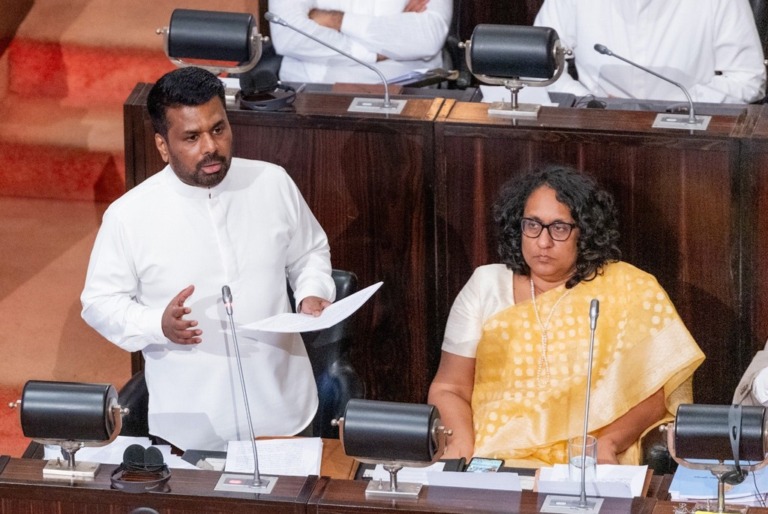
Photo: The Pulseline News Desk.
November 20, 2026 Hour: 4:22 pm
🔗 Comparte este artículo
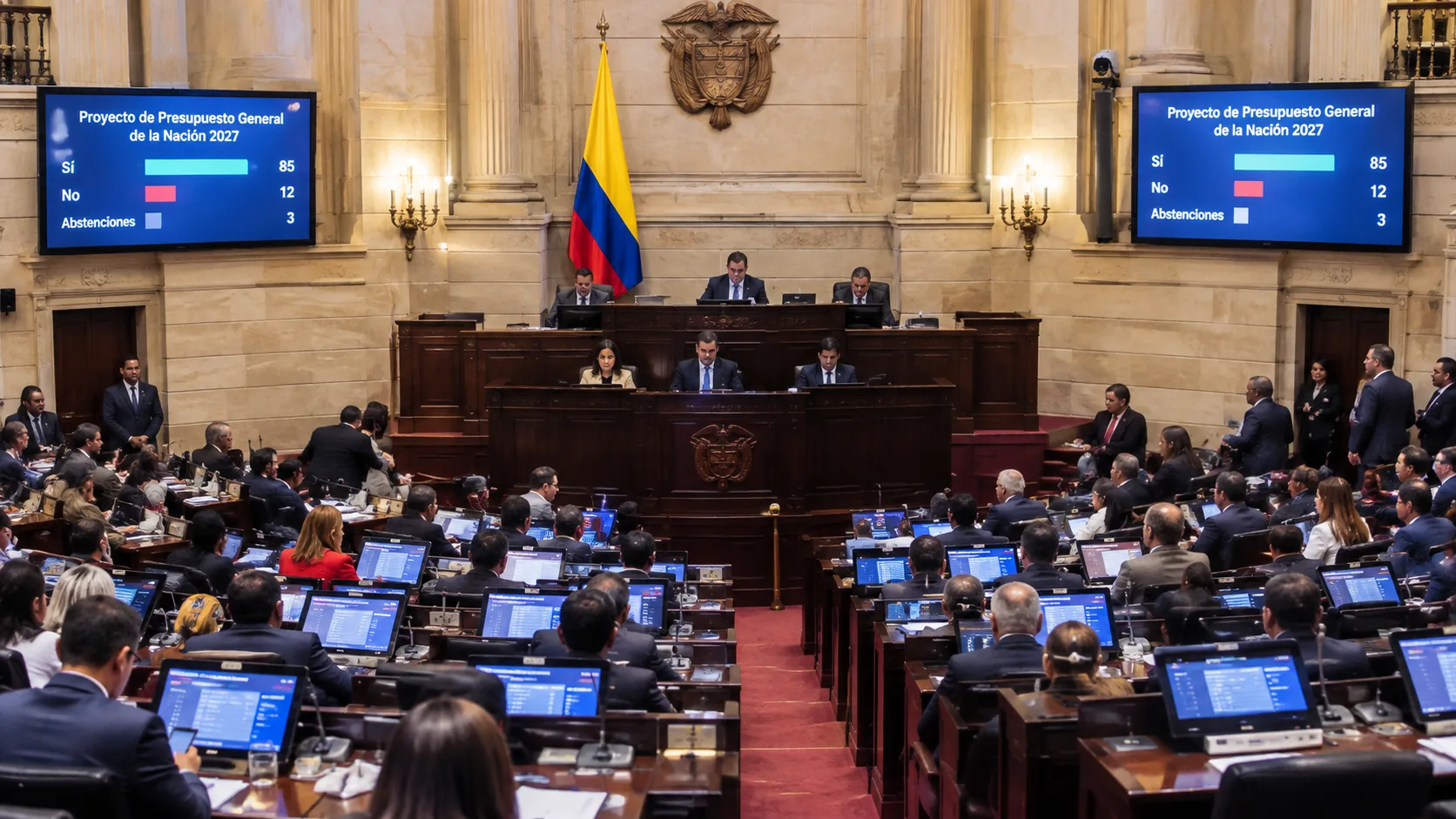
Sri Lanka’s Parliament on Friday approved the Second Reading of the 2027 Appropriation Bill by a decisive majority of 97 votes, recording 157 votes in favor and 60 against, with no abstentions.
Following seven days of debate that began on November 13 after President Anura Kumara Dissanayake presented the Budget Speech in his capacity as Minister of Finance on November 12, lawmakers now advance to the 19-day Committee Stage -or Third Reading- deliberations running through December 14, ahead of the final vote scheduled for 6:00 P.M. local time that evening.
RELATED: Asia-Pacific Leaders Defend Multilateral Trade Rules at APEC 2026
The vote comes at a pivotal moment in Sri Lanka’s post-crisis recovery. Having weathered the unprecedented 2022 economic crisis and sovereign debt default, the country is approaching the scheduled conclusion of its current 48-month International Monetary Fund (IMF) Extended Fund Facility (EFF) arrangement in March 2027. Against this backdrop, the 2027 fiscal roadmap highlights both the consolidation of macroeconomic stability and the complex policy choices shaping the next phase of economic governance.
Sustaining Reform Momentum While Looking Beyond the EFF
Under the Extended Fund Facility (EFF) program -which saw the IMF Executive Board complete the combined Fifth and Sixth Reviews in May 2026- Sri Lanka has worked to rebuild foreign exchange buffers, maintain fiscal discipline, and restore cost-recovery pricing in key sectors, even as external headwinds and climate shocks have tested economic resilience. In presenting the 2027 Budget, President Dissanayake noted that while domestic stabilization under the 17th IMF program has progressed, global uncertainties and natural hazards underscore the need to further strengthen external reserves and prepare for a transition toward sustained growth.
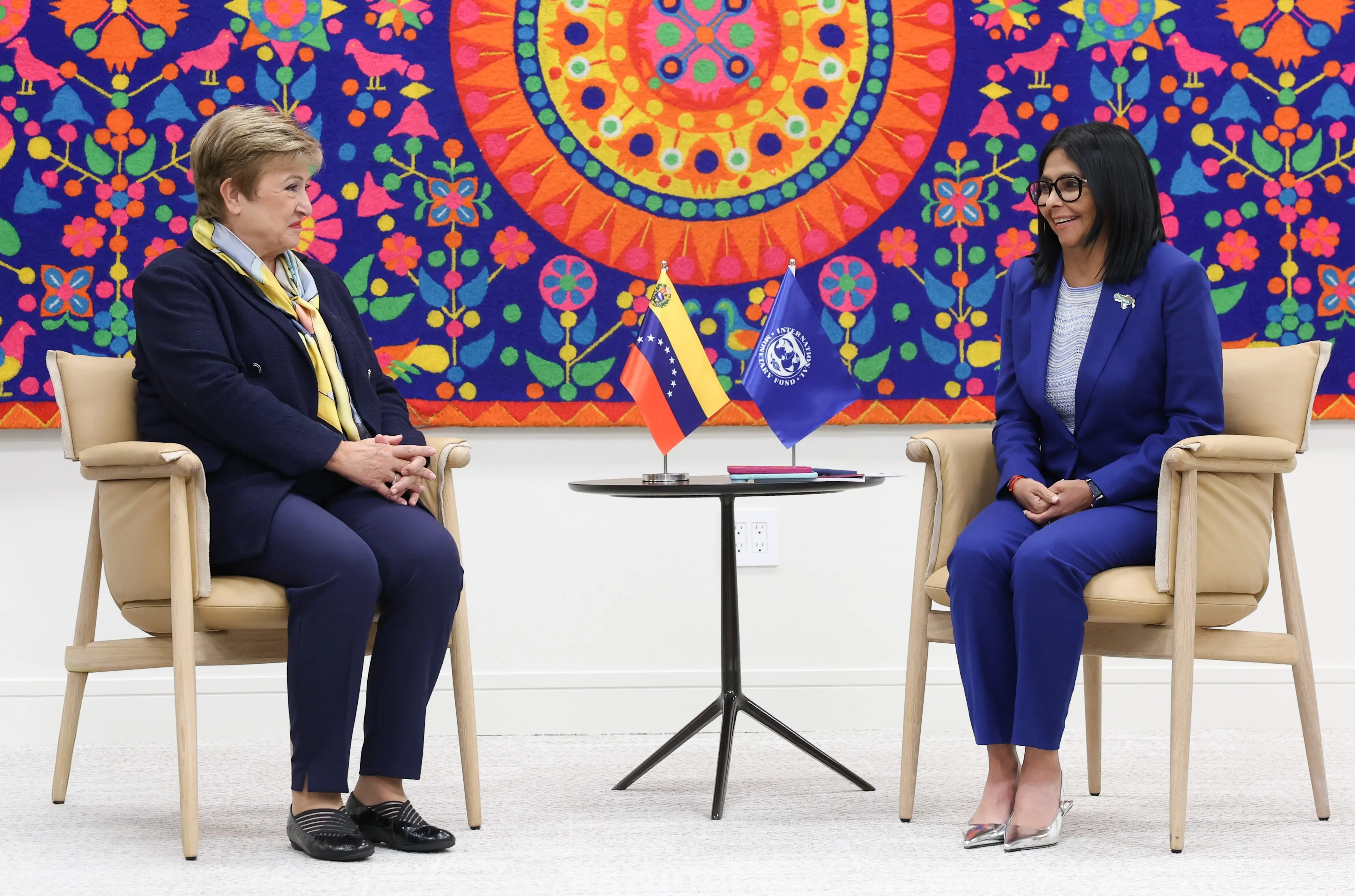
To guide that transition, the Cabinet has appointed a committee chaired by the Deputy Minister of Finance and Planning -alongside the Central Bank Governor, the Treasury Secretary, and economic experts- to evaluate whether Sri Lanka should pursue a successor arrangement after March 2027 and, if so, what form it should take. Economic analysts note that maintaining credible fiscal policy and healthy primary surpluses remains vital to safeguarding debt sustainability and supporting potential future engagement -whether through a calibrated follow-up program or policy coordination framework- as external debt obligations loom on the medium-term horizon.
Balancing Fiscal Discipline with Social and Productive Priorities
A central theme of the parliamentary debate surrounding the 2027 Budget is how the National People’s Power (NPP) administration balances adherence to macroeconomic targets with domestic economic demands. Government proponents argue that preserving fiscal credibility and curbing waste and corruption creates space to support productive sectors -such as agriculture, fisheries, and small and medium-sized enterprises- while protecting vulnerable households and investing in public services.
At the same time, critics and opposition voices continue to debate the pace and distribution of economic relief, pointing to the pressures of living costs, tax structures, and structural reforms required to keep debt on a sustainable path. Economists also observe that while modest growth projections point toward gradual expansion, achieving faster, broad-based growth will require consistent structural reforms, improved public infrastructure, and stronger investment momentum.
The Road to the Third Reading Vote
With the Second Reading cleared by a comfortable margin, attention now turns to the Committee Stage scrutiny of ministry allocations and expenditure heads starting November 21, with sittings scheduled at 9:30 A.M. local time on working days including four Saturdays, excluding Sundays and public holidays. For policymakers, market participants, and citizens alike, the coming weeks of debate -and the December 14 final vote- will shape how Sri Lanka translates hard-won macroeconomic stability into durable, inclusive prosperity.
(*) This article is part of an ongoing collaboration with Sri Lanka’s Associated Newspapers of Ceylon Limited (ANCL).
Author: Sisira Yapa
Source: ANCL