


Spain’s Supreme Court to Debate Parents’ Right to Appeal Euthanasia

Patient awaiting legal euthanasia. @LiveActionNews.
March 27, 2026 Hour: 12:28 pm
🔗 Comparte este artículo
Judges will decide whether a third party can intervene to halt the euthanasia requested by the patient.
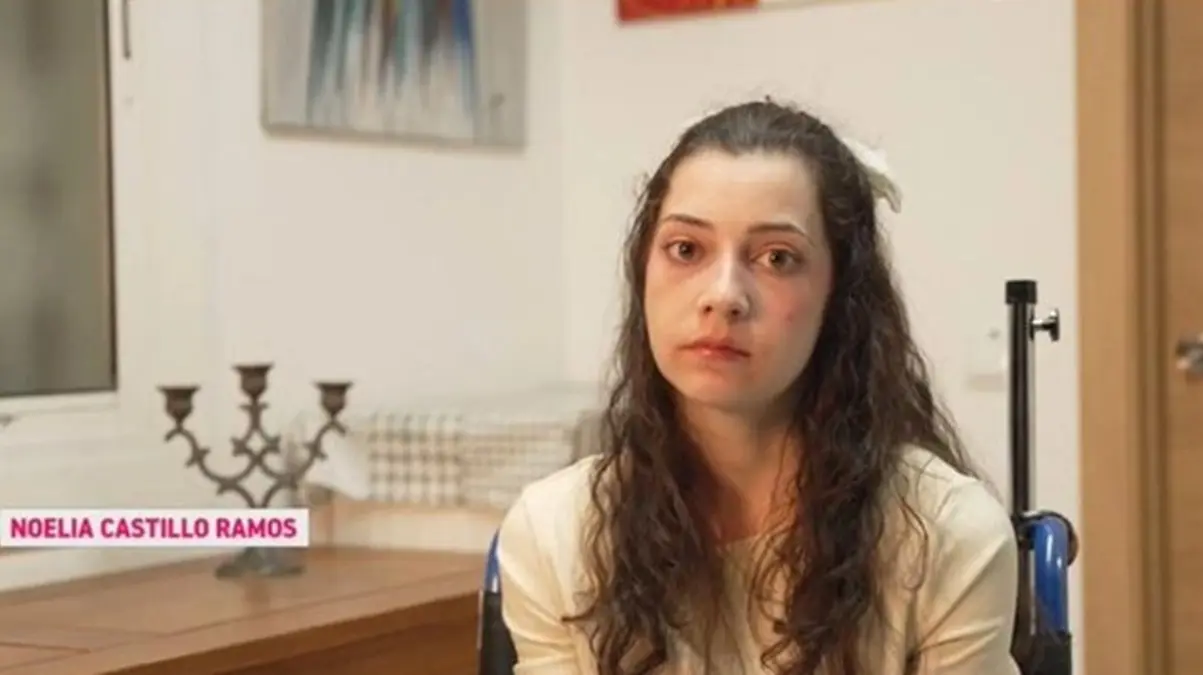
Spain’s Supreme Court will debate in plenary session whether a parent is entitled to legally appeal the granting of euthanasia to their adult son, who is fully capable of doing so, after the case of Noelia Castillo.
On Thursday, Noelia, a 25-year-old Spanish woman with paraplegia, died at the Sant Camil Hospital Residence in Sant Pere de Ribes in Barcelona after a lengthy legal battle with her father, who opposed her decision.
The debate centers on whether a third party, unrelated to the administrations involved in the procedure, can intervene to halt the euthanasia requested by the patient, which has generated considerable public controversy.
The full panel of the Supreme Court’s Administrative Chamber, composed of 34 justices, will establish a precedent that could have broader implications for other similar cases.
The Court will start doing so from the parallel case of a 54-year-old man in Catalonia, which demonstrated how a legal appeal filed by his father managed to halt the application of assisted dying at the last minute.
Noelia’s legal battle began on August 2, 2024, the date scheduled for her euthanasia, which had been approved by the public body responsible for ensuring the proper application of the right to a dignified death.
A judge initially halted the euthanasia after a lawsuit filed by her father, who was advised by the ultraconservative Catholic group Christian Lawyers.
The case went through the lower courts, the High Court of Justice of Catalonia, the Supreme Court, and the Constitutional Court.
Ultimately, the European Court of Human Rights (ECHR) refused to halt the euthanasia, after all legal avenues in Spain had been exhausted, allowing Noelia to receive the requested service almost two years later.
The Catalan government argues that the Organic Law Regulating Euthanasia (LORE) does not expressly authorize third parties to perform the procedure, and the Supreme Court considers it necessary to rule on the matter due to the lack of jurisprudence and the fundamental rights involved.
teleSUR: JP
Source: EFE