


Slovak PM Fico Laments European Distortion of WW2 History
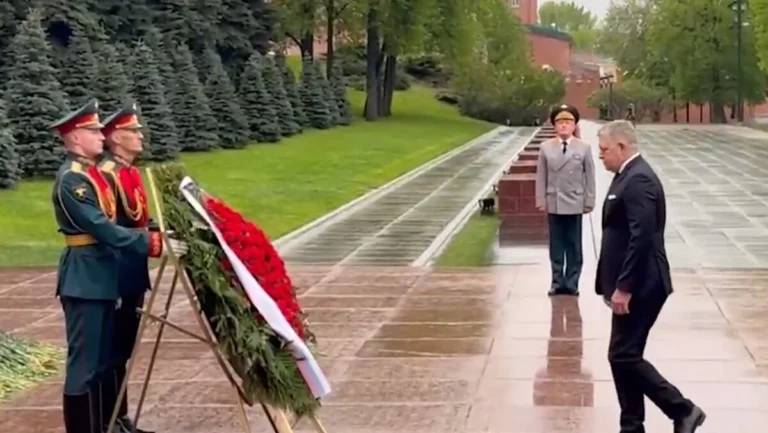
Slovakia’s PM Robert Fico at the Tomb of the Unknown Soldier in Moscow, May 8, 2026. X/ @BrianMcDonaldIE
May 8, 2026 Hour: 1:39 pm
🔗 Comparte este artículo
Victory Day celebrations in Russia face heightened security measures.
On Friday, Slovak Prime Minister Robert Fico laid flowers at the Tomb of the Unknown Soldier beside the Kremlin wall, where he lamented the Western distortion of what really happened during World War II.
RELATED:
Russia Accuses Ukraine of Over 1,365 Ceasefire Violations
“I believe there is no other nation in the world that has such a deep understanding of what happened between 1941 and 1945. I hope the Russian people preserve this feeling so that what is happening now in European countries, where history is being distorted and, of course, there is no respect for what happened between 1941 and 1945, does not happen again,” he said.
Fico is expected to meet with Russian President Vladimir Putin and participate in events marking the 81st anniversary of the Soviet victory over Nazi Germany. “The main message I want to convey to President Putin, the key word, is dialogue. We must meet and talk. I fully support any type of ceasefire,” he said.
“It is one hundred times better to sit at the table and negotiate. I am convinced that we are approaching the end of the Russian-Ukrainian conflict,” the Slovak leader told Russian media shortly after landing in Moscow.
This year, Fico will not attend the traditional military parade in Red Square, which will take place Saturday, May 9, and will be attended by leaders from Uzbekistan, Kazakhstan and other countries that once formed part of the former Soviet Union.
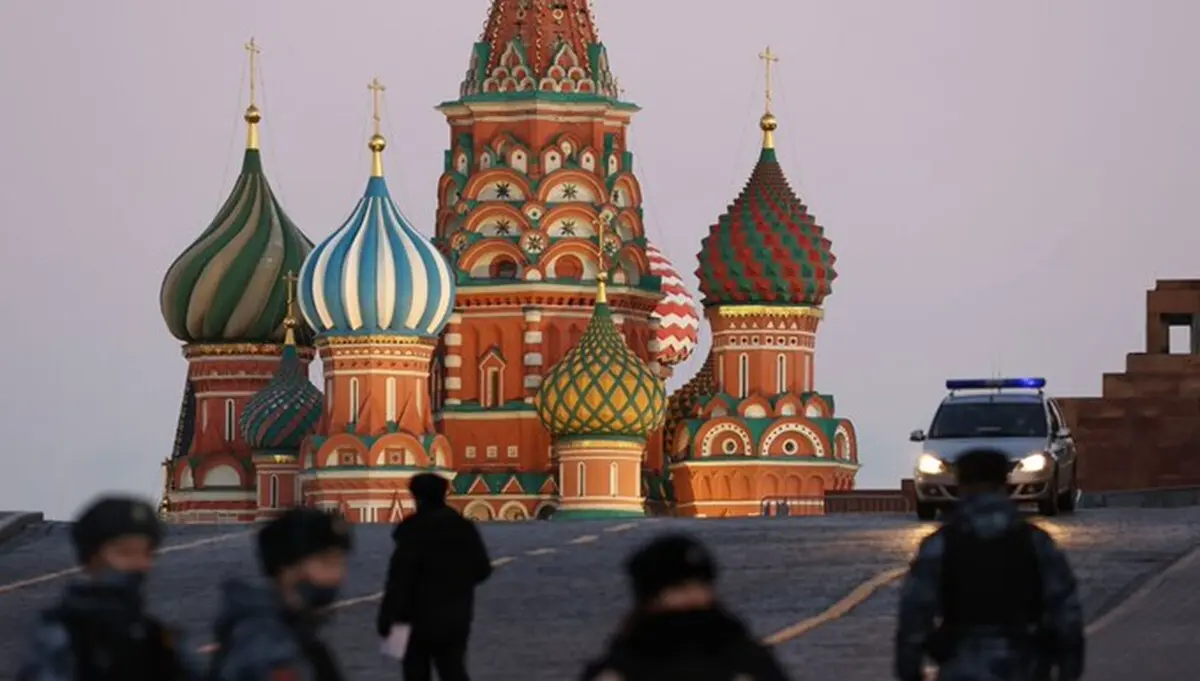
On the 81st anniversary of the Soviet Union’s victory over Nazi Germany, the traditional parade and the most important day for Russian patriotism are taking place under strict security restrictions.
On Thursday, the general rehearsal was canceled, and authorities had previously announced the cancellation of the heavy weapons parade in Red Square and on the streets of Moscow, which are usually closed for practice days before the celebration.
Authorities also canceled the Immortal Regiment march, during which relatives of war veterans walk carrying portraits of their heroic family members. So far, 24 Russian cities have canceled the parades and another 27 will hold them in a reduced format.
These changes to the traditional Victory Day parade format are taking place following the collapse of the truce by Ukrainian forces, which continue attacking positions inside Russian territory. Earlier, Ukrainian President Volodymyr Zelensky announced that he would not accept Putin’s unilateral 48-hour ceasefire.
May 9th Remains a Symbol Of Anti-Fascism
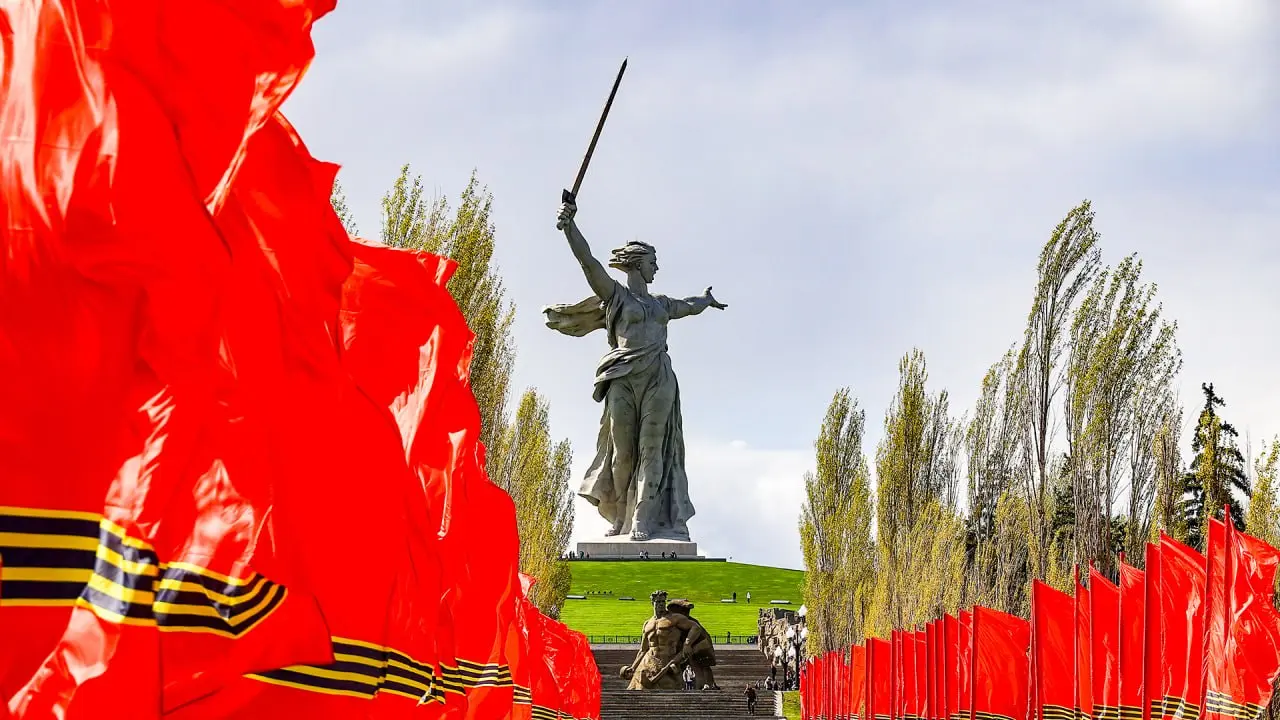
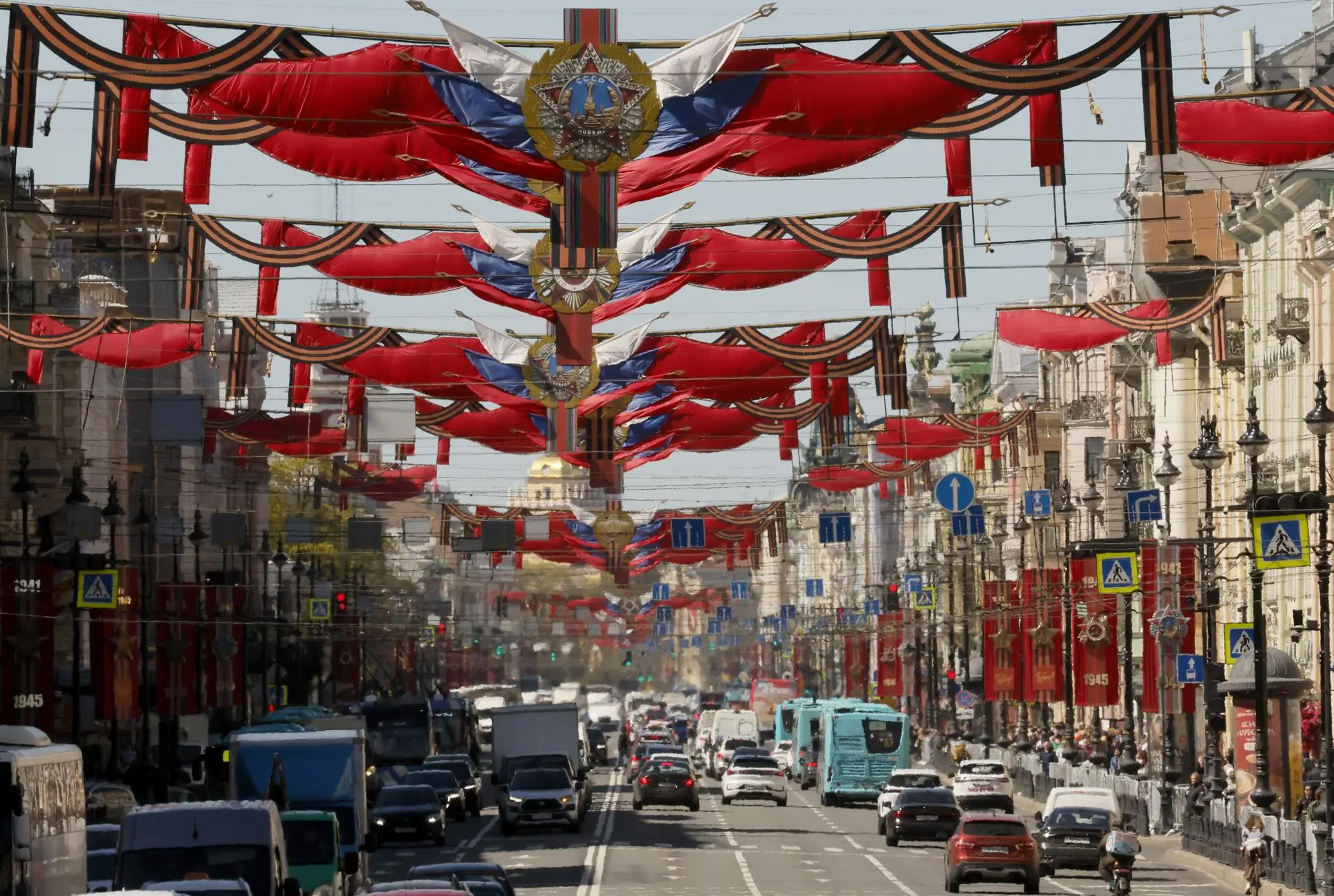
Victory Day, celebrated on May 9th, is Russia’s most important secular holiday, commemorating the Soviet Union’s triumph over Nazi Germany in the Great Patriotic War (1941–1945).
The date marks the signing of Germany’s unconditional surrender in 1945, which took effect late on May 8th Central European time—but by then it was already May 9th in Moscow.
The holiday honors the approximately 27 million Soviet citizens who died, the sacrifice of soldiers and civilians, and the liberation of Berlin. For Russians, it is a day of both profound grief and immense pride, blending solemn remembrance with patriotic celebration.
The centerpiece of Victory Day is the annual military parade on Moscow’s Red Square, featuring displays of advanced weaponry, marching troops, and the symbolic “Immortal Regiment” procession, where civilians carry portraits of relatives who fought or died in the war.
Across the country, ceremonies include laying wreaths at war memorials, concerts of wartime songs like “Den Pobedy” (Victory Day), and fireworks. In recent years, the holiday has taken on added political significance since it fosters national unity and projects military strength.
Internationally, Victory Day is observed with some controversy, as many Western nations celebrate the end of World War II in Europe on May 8th (VE Day). Nevertheless, for most Russians, the day remains a deeply personal and emotional touchstone, connecting generations through family history and a shared sense of resilience.
It is both a celebration of military might and a quiet acknowledgment of staggering loss, ensuring that the memory of the war remains central to Russia’s national identity.
teleSUR/ JF
Sources: Sputnik – EFE – TASS