







The Strategic 2025 Shanghai Cooperation Organization Summit: A Vital Opportunity and Transformational Force in Rising Multipolarity
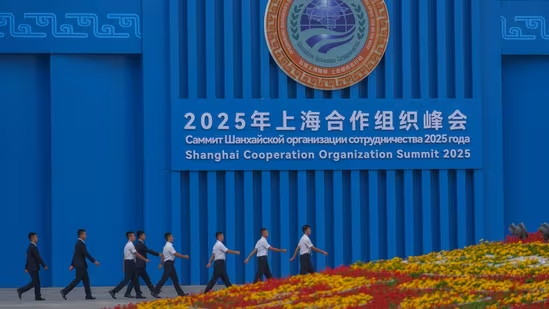
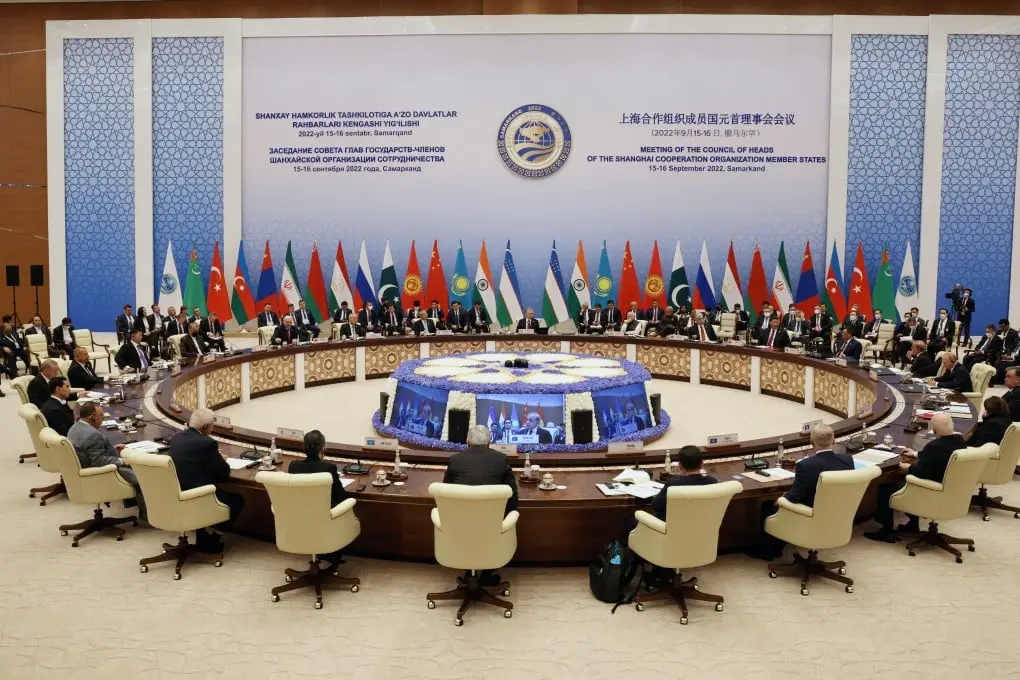
Leaders gather at the 2025 Shanghai Cooperation Organization summit in Tianjin
August 30, 2025 Hour: 9:06 am
🔗 Comparte este artículo
The 2025 Shanghai Cooperation Organization summit in Tianjin marks a turning point in global geopolitics, uniting over 20 nations in a bold push for multipolarity, economic sovereignty, and regional stability.
Related: President Putin to Make Four-Day Visit to China
The 2025 Shanghai Cooperation Organization Summit: A Defining Moment for Eurasia
The Shanghai Cooperation Organization (SCO) is poised to host its most consequential summit to date. As world leaders converge on Tianjin, China, for the August 31–September 1 gathering, the event is set to become the largest in the bloc’s history—both in scale and geopolitical significance. With confirmed attendance from heads of state representing more than 20 countries and delegates from over 10 international institutions, the summit underscores a growing shift in global power dynamics. This is not just another diplomatic meeting—it is a strategic recalibration of international order.
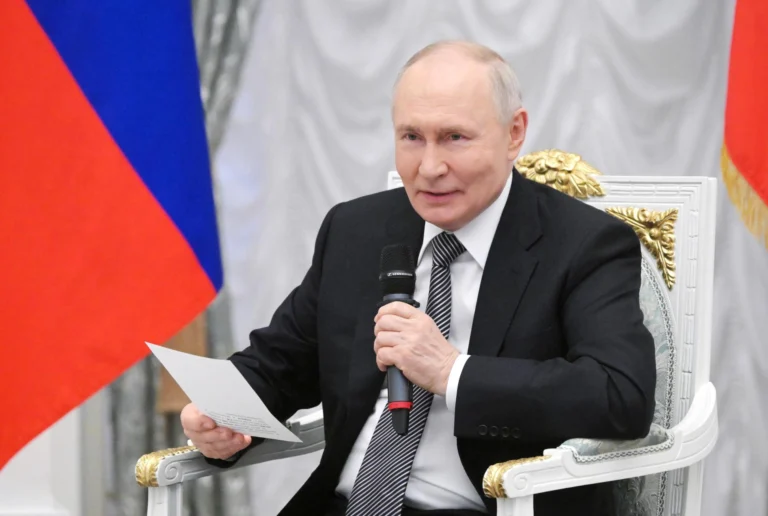
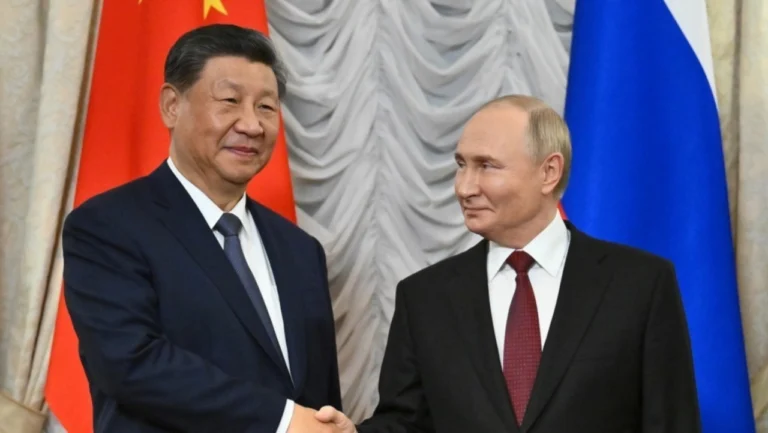
At the center of the stage will be Chinese President Xi Jinping, Russian President Vladimir Putin, Indian Prime Minister Narendra Modi, and other key figures from across Eurasia. Their presence signals a unified front in pursuit of multipolarity, economic resilience, and collective security, all against a backdrop of deepening global uncertainty. From Ukraine to the Middle East, from trade wars to technological competition, the decisions made in Tianjin could reverberate far beyond the conference halls.
The summit arrives at a time when traditional Western-led institutions are facing unprecedented challenges. Meanwhile, the Shanghai Cooperation Organization has evolved from a regional security pact into a powerful multilateral platform with global ambitions. Representing 43% of the world’s population and nearly a quarter of global GDP, the SCO now stands as a counterweight to U.S.-dominated alliances and financial systems.
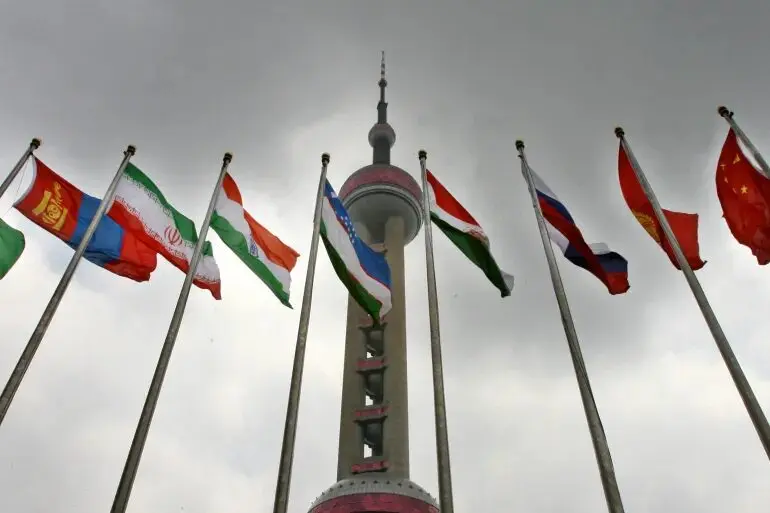
Key Point: The SCO’s expansion—from six founding members in 2001 to include India, Iran, and Belarus—reflects a broader realignment toward non-Western governance models.
As the world watches, this summit may well mark the moment when the Shanghai Cooperation Organization transitions from a regional actor to a central player in shaping the 21st-century world order.
Geopolitical Context: Why the SCO Matters Now More Than Ever
The rise of the Shanghai Cooperation Organization cannot be understood in isolation. It is part of a larger trend: the decline of unipolarity and the emergence of a fragmented, multipolar world. In this new landscape, regional powers are forging alternative institutions that challenge the post-Cold War dominance of the United States and its allies.
Organizations like the SCO, BRICS, and ASEAN are increasingly coordinating on trade, finance, and security—often bypassing Western-controlled mechanisms such as the IMF and SWIFT. The war in Ukraine, sanctions regimes, and rising protectionism have accelerated this trend, pushing countries to seek economic sovereignty and political autonomy.
China sees the SCO as a cornerstone of its vision for a “community with a shared future for humanity”—a phrase that encapsulates its push for a rules-based but non-Western international system. Russia, under increasing isolation from Europe and North America, relies on the SCO for diplomatic legitimacy and economic partnerships. India, though cautious about aligning too closely with Beijing or Moscow, finds value in engaging with both through multilateral forums.
Key Point: The SCO offers a rare space where rivals like India and Pakistan, or Iran and Saudi Arabia (via observer status), can engage without direct confrontation.
This delicate balance is maintained through what Beijing calls the “Shanghai Spirit”—a set of principles emphasizing mutual respect, equality, consultation, and non-interference. While internal tensions persist, the organization’s strength lies in its pragmatic diplomacy, allowing divergent interests to coexist under a common framework.
For the Global South, the SCO represents an opportunity to participate in shaping global governance without being subject to conditional aid or political pressure from Western donors. As former UN Secretary-General Ban Ki-moon noted, “Regional cooperation is no longer optional—it is essential for peace and development.” 🔗 Source: United Nations – Regional Cooperation Initiatives
This growing relevance explains why even non-member states are sending high-level delegations. The SCO is no longer just about Central Asia; it is becoming a geopolitical fulcrum for Eurasia and beyond.
Agenda and Strategic Goals: What’s at Stake in Tianjin
While the full agenda remains confidential, several key themes are expected to dominate discussions at the 2025 Shanghai Cooperation Organization summit. At the top of the list is the adoption of two landmark documents: the Tianjin Declaration of the Council of Heads of State and the SCO Development Strategy for the Next Decade (2025–2035). These will serve as blueprints for the organization’s future direction.
1. Economic Integration and De-Dollarization
One of the most anticipated outcomes is progress toward reducing reliance on the U.S. dollar in intra-SCO trade. China is expected to push for greater use of national currencies—especially the yuan—and the potential institutionalization of the SCO Development Bank, which would provide an alternative to Western-dominated financial institutions like the World Bank and IMF.
Key Point: Over 70% of bilateral trade between China and Russia is already conducted in local currencies, according to data from the People’s Bank of China. 🔗 Source: PBOC – Cross-Border RMB Settlement Report
Discussions will also focus on strengthening industrial and supply chain resilience, particularly in critical sectors like energy, food, and semiconductors. With global supply chains still fragile after years of pandemic disruptions and geopolitical shocks, SCO members aim to build a more self-sufficient economic bloc.
2. Technology and Digital Sovereignty
Another major pillar is technological cooperation. Leaders are expected to launch joint initiatives in artificial intelligence, cybersecurity, and digital infrastructure. A proposed SCO Digital Economy Framework could standardize data policies, promote cross-border e-commerce, and support innovation hubs across member states.
This aligns with China’s Digital Silk Road initiative, part of its broader Belt and Road vision. By integrating digital networks across Eurasia, the SCO aims to create a technologically independent ecosystem that resists external interference.
3. Security and Counterterrorism
Security remains a core mandate of the Shanghai Cooperation Organization. The Regional Anti-Terrorist Structure (RATS) will present updated threat assessments, and plans for joint military exercises later this year are likely to be finalized. These drills are not just symbolic—they reflect real concerns about instability in Afghanistan, Central Asia, and the Caucasus.
In addition, the SCO is expected to strengthen intelligence-sharing protocols and expand coordination on countering transnational crime, including drug trafficking and cyberattacks. Given the presence of both Iran and India, discussions on regional security in the Persian Gulf and South Asia will also be sensitive but critical.
Lula Champions BRICS Integration to Counter U.S. Tariffs and Assert Sovereignty
Who’s In, Who’s Out: The Global Divide on Display
The guest list at the 2025 Shanghai Cooperation Organization summit reveals much about the shifting tectonics of global diplomacy. Among those attending are leaders from Indonesia, Malaysia, Vietnam, and other ASEAN nations—highlighting the growing synergy between the SCO and Southeast Asia. The Association of Southeast Asian Nations, while not a formal member, has deepened ties with the SCO through trade, infrastructure projects, and counterterrorism cooperation.
Meanwhile, no senior officials from the United States or the European Union will attend, underscoring the growing East-West divide. This absence is not accidental. It reflects a strategic choice by SCO members to pursue autonomous foreign policies and resist what they see as coercive unilateralism.
Key Point: The exclusion of institutions like the IMF and World Bank signals a deliberate move toward alternative financial architectures.
Belarusian President Alexander Lukashenko and Iranian President Masoud Pezeshkian are confirmed attendees, both representing nations under Western sanctions. Their participation reinforces the SCO’s role as a safe space for sanctioned states to maintain international engagement.
Even more telling is the symbolic timing: many leaders, including Putin and Lukashenko, will remain in China for the September 3 military parade in Beijing, commemorating the end of World War II in Asia. That event—featuring displays of advanced missile systems and joint drills—will serve as a visual extension of the summit’s message: Eurasian unity and strategic independence.
Xi Jinping’s Vision: Multipolarity and the ‘Shanghai Spirit’
For President Xi Jinping, the 2025 Shanghai Cooperation Organization summit is a pivotal platform to advance China’s global agenda. As China holds the rotating presidency of the SCO from 2024 to 2025, Beijing has used this opportunity to shape the narrative around cooperation without confrontation, inclusivity without hegemony.
Xi is expected to deliver a keynote address emphasizing the “Shanghai Spirit” as a model for 21st-century diplomacy—one rooted in dialogue, mutual benefit, and respect for sovereignty. This stands in stark contrast to what Chinese officials often describe as the “zero-sum mentality” of Western powers.
Key Point: China’s push for a multipolar world order is not anti-Western per se, but rather a call for a more balanced distribution of power and influence.
Beyond rhetoric, concrete proposals are on the table. These include:
- Launching a SCO Free Trade Area feasibility study
- Expanding the Belt and Road Initiative (BRI) within SCO corridors
- Establishing a SCO Green Development Fund to support renewable energy projects
These initiatives aim to deepen interdependence among members while reducing vulnerability to external shocks. They also position China as a provider of public goods—infrastructure, finance, and stability—in a region long shaped by colonial and Cold War legacies.
Yet challenges remain. India, despite being a key member, has expressed reservations about certain BRI projects, particularly those passing through disputed territories. Managing such sensitivities will be crucial if the SCO is to function as a cohesive bloc.
Internal Tensions and the Limits of Unity
Despite the outward show of unity, the Shanghai Cooperation Organization faces significant internal divisions. These tensions do not negate its importance but reveal the complexities of managing a diverse coalition.
Russia-Ukraine War and Divergent Stances
Russia continues to seek SCO support for its position on Ukraine. However, India has maintained a neutral stance, calling for dialogue and peace while increasing energy imports from Russia. This balancing act allows New Delhi to maintain relations with both Moscow and Western capitals.
Similarly, Central Asian members like Kazakhstan and Uzbekistan have avoided taking sides, prioritizing stability and economic ties over ideological alignment.
India-Pakistan Rivalry
One of the most persistent fault lines is the India-Pakistan conflict. Since both became full members in 2017, their bilateral tensions—especially over Kashmir and terrorism—have complicated consensus-building. While the SCO provides a rare forum for indirect dialogue, progress remains limited.
Iran and Regional Security
Iran’s full membership since 2023 adds another layer of complexity. While Tehran seeks SCO backing against U.S. sanctions, its regional activities—including support for proxy groups in the Middle East—create friction with other members, particularly India and Gulf observers.
Key Point: The SCO’s strength lies not in eliminating differences, but in managing them through diplomacy.
Still, the organization has proven resilient. Annual summits, joint exercises, and working groups help maintain communication channels even when bilateral relations are strained. As one Central Asian diplomat noted, “We don’t have to agree on everything to cooperate on something.”
Conclusion: The SCO as a Pillar of the New World Order
The 2025 Shanghai Cooperation Organization summit in Tianjin is more than a diplomatic gathering—it is a statement of intent. At a time when the global system is fracturing, the SCO offers a vision of cooperation based on mutual respect, economic interdependence, and collective security.
With its expanded membership, ambitious agenda, and symbolic timing, this summit could mark the moment when the Shanghai Cooperation Organization emerges as a true alternative to Western-dominated institutions. It will not replace NATO or the G7, but it will challenge their monopoly on global decision-making.
The road ahead is not without obstacles. Internal disagreements, logistical hurdles, and external pressures will test the organization’s cohesion. But if the SCO can deliver tangible results—on trade, security, and sustainable development—it will prove that multipolarity is not just a theory, but a reality in motion.
As the world watches Tianjin, one thing is clear: the center of gravity in international relations is shifting eastward. And the Shanghai Cooperation Organization is at the heart of that transformation.
Final Thought: In an era defined by fragmentation, the SCO represents one of the few platforms where East meets West, North meets South, and rivals sit at the same table—not as adversaries, but as partners in shaping a new world order.
Author: JMVR
Source: Aljazeera