


Corruption Scandal Engulfs Peru’s Justice Minister Amid Bribery Allegations: Over $20,000 Bribe
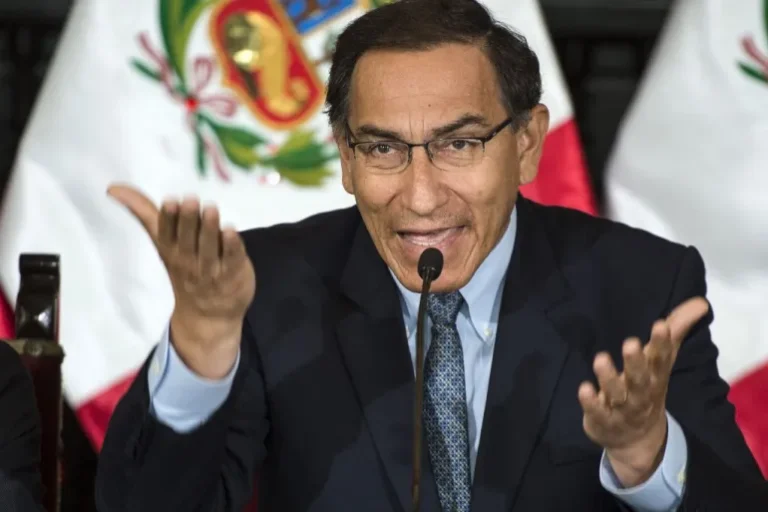
Leaked audios implicate Peru’s Justice Minister Juan José Santiváñez in bribery to influence decisions in the Constitutional Court, stirring political turmoil.
September 13, 2025 Hour: 9:21 am
🔗 Comparte este artículo
Audio leaks link Peru’s Justice Minister to bribery in the Constitutional Court, raising political uncertainty amid deep corruption investigations in this corruption scandal.
Related: Peru: Boluarte Forms Task Force to Draft National Sovereignty Law
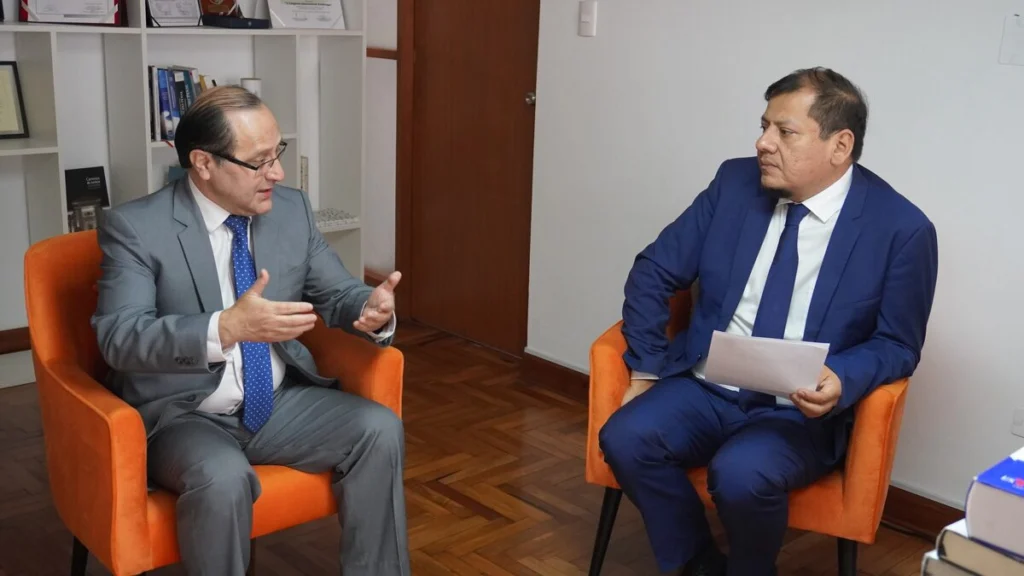
Peru Justice Minister Corruption Scandal Rocks Political Landscape
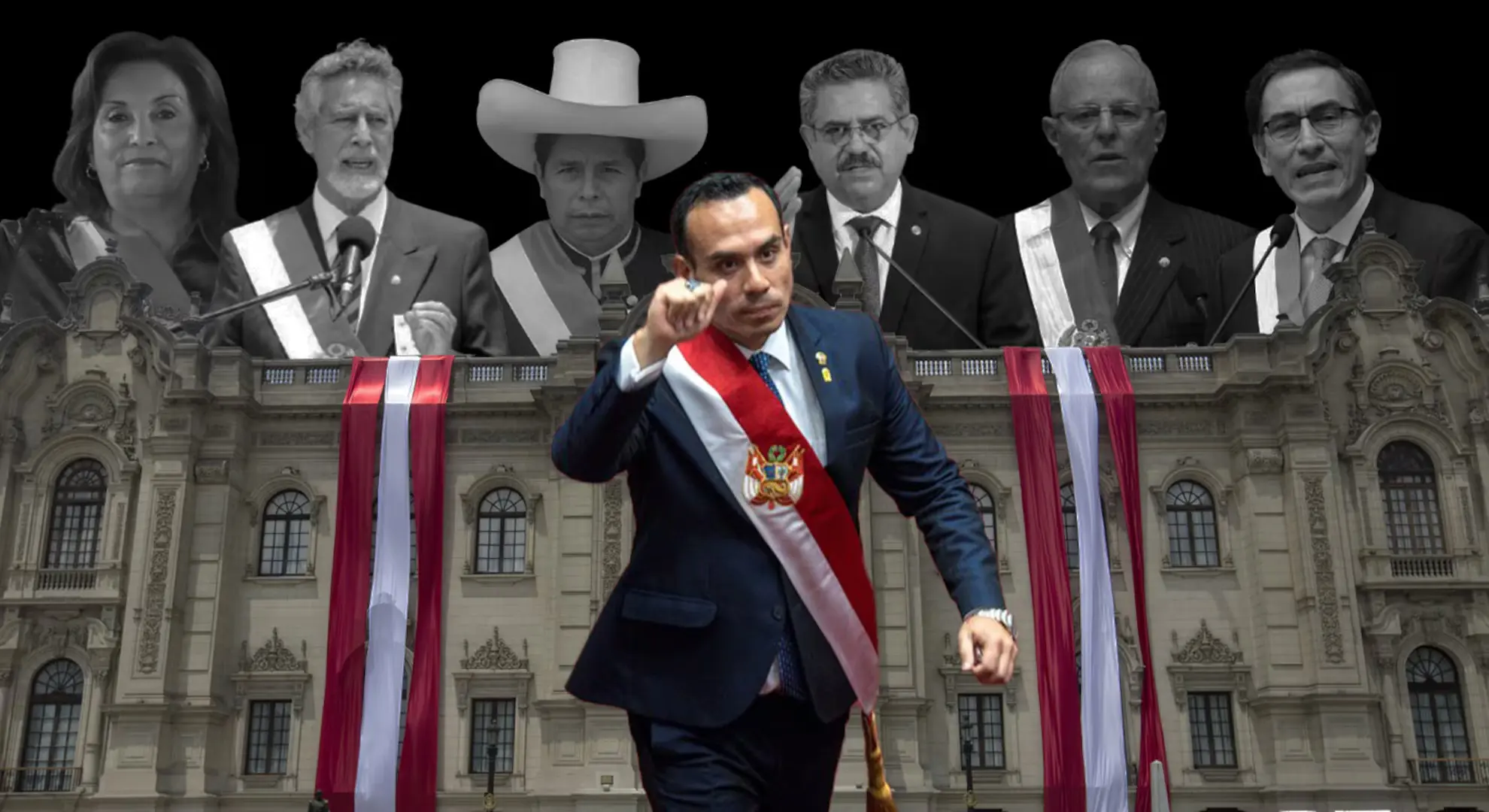
The Peru Justice Minister corruption scandal involving Juan José Santiváñez has ignited serious concern following leaked audio recordings that allegedly link him to bribery payments intended to influence magistrates of the Constitutional Court (TC). These recordings, provided to prosecutors by a protected witness, form part of an ongoing investigation into influence peddling implicating Santiváñez, while also raising questions around President Dina Boluarte and her brother Nicanor Boluarte.
Audio Leak Details and Political Context of Peru Justice Minister Corruption Scandal
On September 12, 2025, prominent Peruvian media outlets like Latina Noticias and Cuarto Poder released audio recordings capturing a conversation between Minister Santiváñez and a woman. In the recording, Santiváñez seemingly acknowledges receiving a $20,000 cash advance to “expedite the matter” before the Constitutional Court. However, he contends that the money was not a personal fee but destined for other purposes, stating: “It wasn’t mine.” Elsewhere in the audios, the minister claims to have the backing of two TC magistrates working to sway a judicial decision favoring one of his clients involved in a pending legal case seeking release.
Known as a controversial figure in Peruvian politics, Santiváñez has served as legal counsel for police implicated in human rights violations, including the high-profile case of Miguel Salirrosas—a policeman sentenced to 27 years for participation in organized crime involving extortion and contract killings. Salirrosas’ family hired Santiváñez to file a habeas corpus petition with the TC, but prosecutors allege that Santiváñez charged legal fees while also soliciting extra funds to manipulate the court ruling.
The prosecution’s allegations state that after an unfavorable ruling that denied the police officer’s release, the family demanded a refund of the funds paid to Santiváñez, intensifying suspicions of corruption. Judicial authorities have barred Santiváñez from leaving Peru while investigations into his alleged illicit influence continue.
- Peru’s Prosecutor’s Office: https://www.mpfn.gob.pe/
- Peruvian Constitutional Court: https://www.tc.gob.pe/
- Latin American Network Against Corruption: https://rcla.net/
Parallel Investigations and Political Fallout
In related matters, audio recordings reveal exchanges between Santiváñez and police officer Junior Izquierdo, alias “Culebra,” concerning police investigations linked to President Boluarte and alleged cover-ups in the escape of political leaders. These recordings suggest potential leaks of confidential information to individuals close to the administration.
Santiváñez has publicly refuted the bribery allegations via posts on X (formerly Twitter), maintaining a “non-official” persona since assuming office. He denied that the $20,000 was a bribe, presenting unclear bank documents intended to prove that the funds were legitimate professional fees rather than illicit payments. He dismissed the accusations as manufactured “puppet” stories aimed at discrediting him since February 2025 and expressed confidence that justice will affirm his innocence.
Political and Social Implications of the Peru Justice Minister Corruption Scandal
The judicial process surrounding Santiváñez carries substantial political and social weight, as he is regarded as one of the most influential ministers within Peru’s Cabinet, maintaining close ties with President Boluarte—who is also under investigation. The heightened political pressure and intense public scrutiny have sparked heated debates over corruption, judicial independence, and government transparency in Peru.
Civil society groups, political factions, and public opinion demand a thorough and impartial investigation, while the judiciary endeavors to uphold due process amid national and international media attention.
This scandal adds to a pattern of allegations tarnishing the current Peruvian administration, exposing persistent corruption within high-ranking officials. The Prosecutor’s Office reiterates its commitment to clarifying the facts and prosecuting all unlawful acts related to influence trafficking without impunity or tolerance.
In summary, the release of audios linked to Peru’s Justice Minister Juan José Santiváñez implicating him in bribes aimed at influencing Constitutional Court magistrates deals a severe blow to institutional credibility and triggers a period of intense political uncertainty. Santiváñez’s categorical denial and the rigorous judicial follow-up will be decisive in shaping the outcome of this controversy, which fundamentally impacts governance and public trust in Peru.
Author: JMVR
Source: EFE