







Pakistan Orders Mass Detention of Afghans and Accelerates Deportations
Pakistan intensified forced Afghan refugees deportations with an order for the immediate undocumented immigrants arrest, exacerbating the humanitarian crisis.
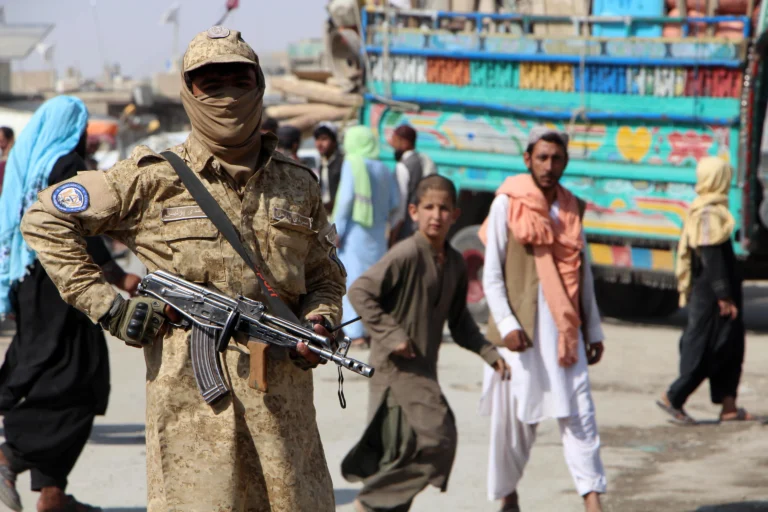
Thousands of Afghan refugees are being forced to leave Pakistan due to recent mass deportation policies. Photo: UNHCR
July 10, 2026 Hour: 11:03 am
🔗 Comparte este artículo
Afghan refugees who built their lives in Pakistan now face intimidation and arbitrary detentions. The situation escalated this Friday after Islamabad ordered the immediate Afghans arrest without visas, precipitating mass deportations.
RELATED:
Suicide Attack Kills Three Security Personnel in Southwest Pakistan
Nearly two million Afghan refugees have been forcibly expelled from Pakistan since 2023, according to Abdul Mutalib Haqqani, spokesman for the Taliban Refugee Ministry, who spoke to EFE. This deterioration in relations between Islamabad and Kabul has transformed what was once a haven into a hostile environment for those who fled the conflict.
Many report that Pakistani authorities are refusing to issue documents. “When we first arrived here, they told us that no documents were needed and encouraged us to stay. Now they refuse to issue them,” lamented Sadiq Khan, an undocumented refugee who has lived in the neighboring country for 30 years. Khan recounted that his family is rooted there, but now they are being detained.
For those deported, returning means losing their homes, businesses, and accumulated savings. Sardar Mohammad, who lived in Pakistan for 25 years, said: “I was imprisoned there, tortured in jail. My business, my valuable house, and everything I owned are still there. Now I have nothing in Afghanistan to earn a living.”
The fear of returning is widespread. Zamanuddin, who hopes to be resettled in a third country, explained that “we cannot return to Afghanistan because the Taliban have killed, imprisoned, and tortured many people who collaborated with foreign countries,” adding that Islamabad refuses to extend their visas.
International organizations have spoken out. The UN High Commissioner for Human Rights, Volker Türk, warned that these deportations expose Afghans to serious risks and constitute a violation of international humanitarian and refugee law.
Afghanistan on the Brink of Collapse
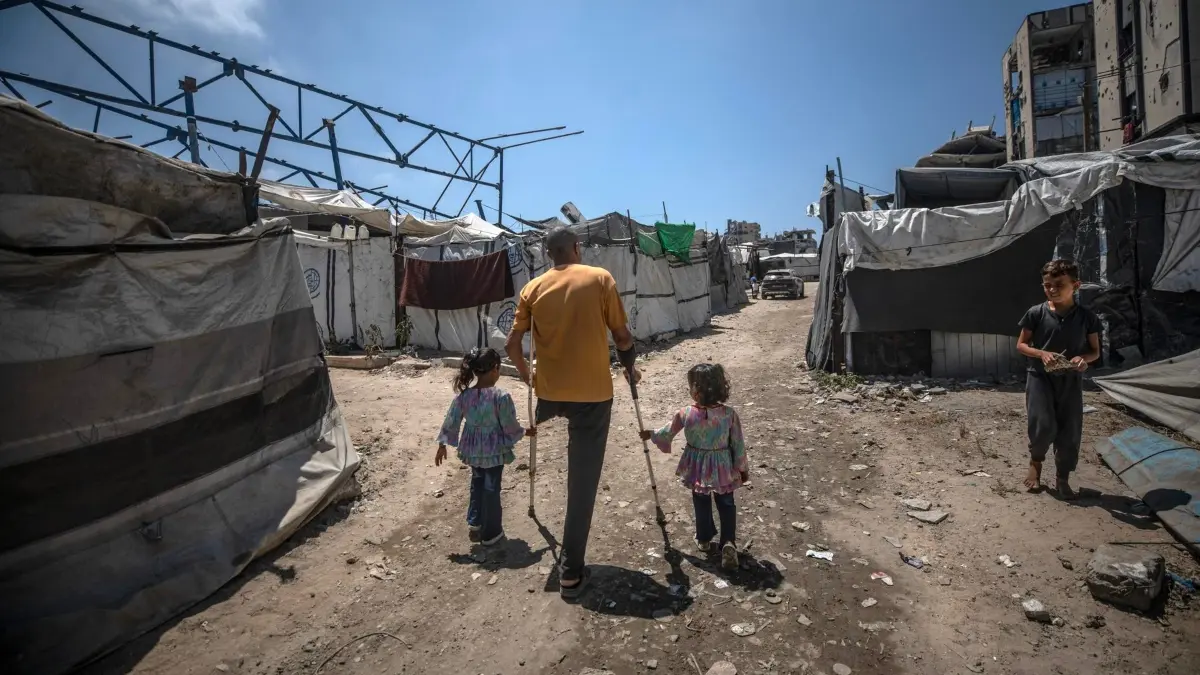
The massive influx has created unsustainable pressure. More than 6.1 million Afghans have returned to the country since 2023, including nearly 2 million from Pakistan and 4.2 million from Iran.
This crisis is intensifying the deterioration of the Afghan economy. In the provinces hosting the returnees, only 3% of the population has formal employment, while 78% depend on casual work.
The United Nations High Commissioner for Refugees, Barham Salih, noted that almost half the population needs humanitarian assistance and that local communities are under immense pressure.
For his part, the administrator of the United Nations Development Programme, Alexander De Croo, urged continued international support, stressing that there is a critical window of opportunity to help Afghans move beyond emergency assistance.
Author: HGV/JF
Source: UNHCR