







Ongoing Gulf War Affects Global Mobile Professionals
X/ @hayxtt
March 3, 2026 Hour: 3:05 pm
🔗 Comparte este artículo
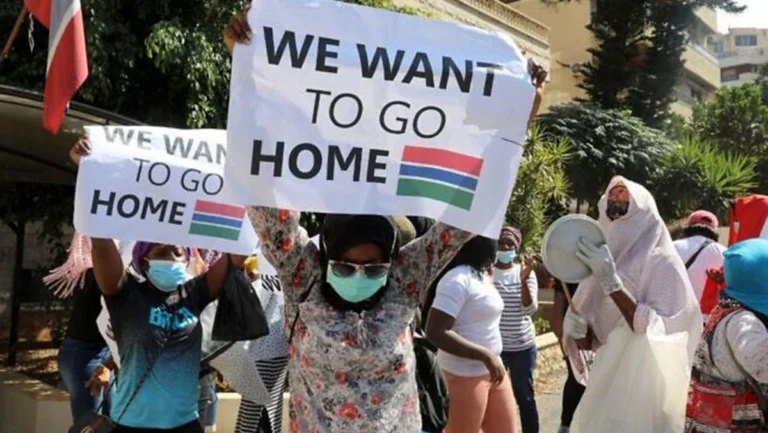
Currently they face the challenge of returning to their countries as soon as possible.
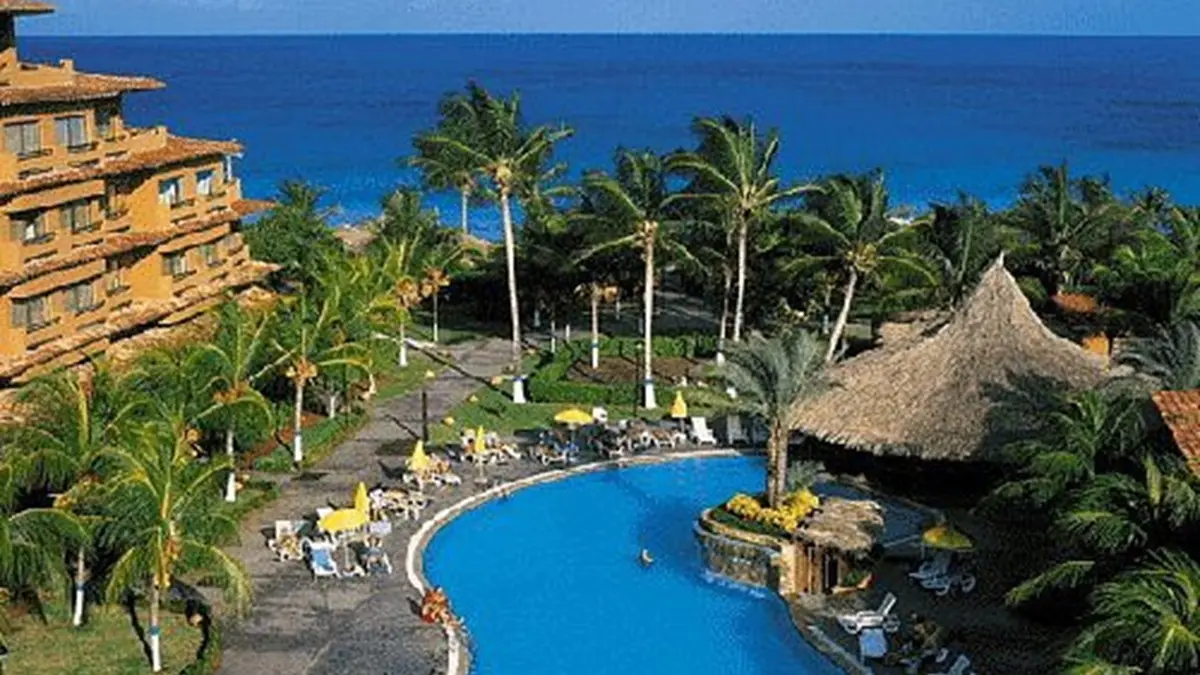
For the past decade, the dazzling skylines of Dubai and Doha have served as monuments to 21st-century capitalism.
RELATED:
Venezuelan Acting President Delcy Rodriguez Discusses Middle East Situation with Emir of Qatar
Rising from the desert, these cities have promoted themselves as “global hubs” where success can flourish, free from the constraints from the nation-state.
To elite software engineers, high-frequency traders, and digital influencers, the Persian Gulf promised a life of hypergrowth, world-class infrastructure, and most importantly, no personal income tax.
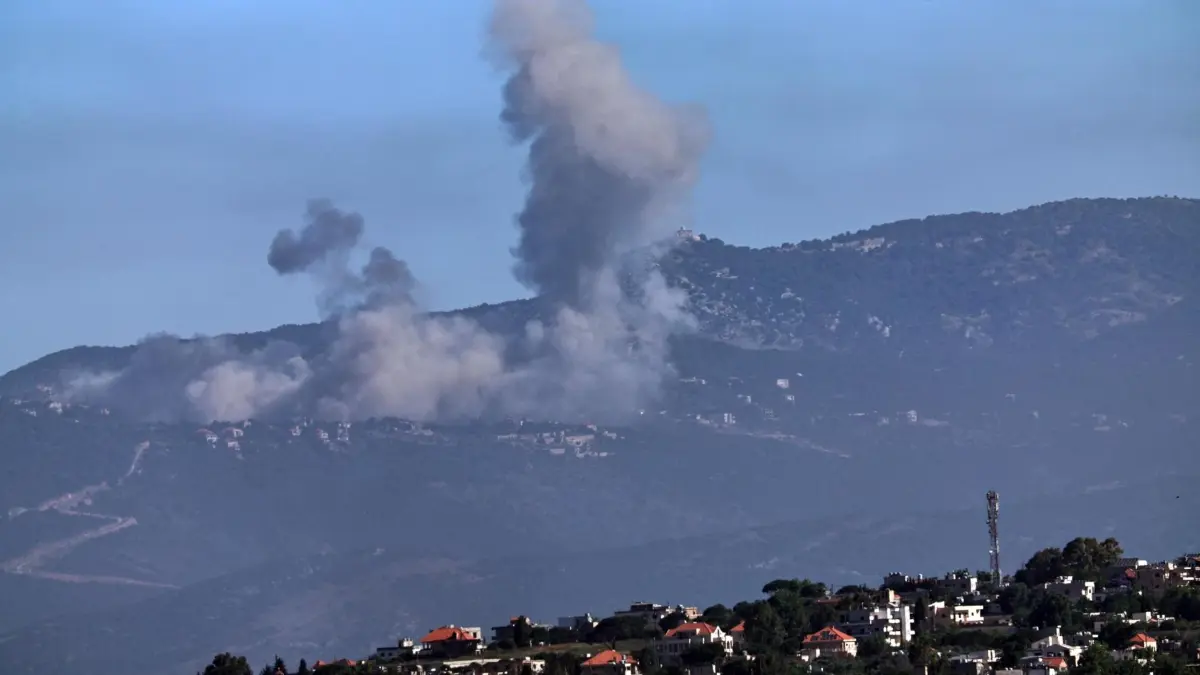
However, the escalation of regional conflict in March 2026 shattered that illusion. With missile interceptors lighting up the skies over the Burj Khalifa and flights being rerouted over the Strait of Hormuz, thousands of expatriates who had “optimized” their wealth overseas are facing a sudden reality check.
The so-called “global citizen” has been reminded that their passport still ties them to a nation. This crisis marks a turning point in global migration, revealing the fragility of a social contract based solely on financial gain.
The Engineering of Detachment: The Economy of “Minimum Substance”
The transformation of Qatar and the United Arab Emirates into magnets for global talent was no accident. Rather, it was the result of a calculated strategy of jurisdictional arbitrage, which involves using legal loopholes and energy wealth to attract human capital and tax revenue away from other nations.
Traditionally, states rely on taxes from their citizens to fund public services. The Gulf model reversed that idea. By adopting a 0% personal income tax, Dubai and Doha reinvented themselves as safe havens for the world’s most mobile professionals.
- The UAE model: Through more than 40 “free zones” like the Dubai International Financial Centre (DIFC), the country allows 100% foreign ownership and free repatriation of profits.
- The Qatari model: Built around the Qatar Financial Centre (QFC), Doha offers a slightly more regulated environment aimed at energy experts and tech professionals, not just lifestyle influencers.
From a political economy perspective, calling these jurisdictions “tax-free” is misleading. Rather than paying traditional taxes, residents pay through costly residency permits, overpriced healthcare, and inflated rents in markets dominated by elites.
Expatriates have not escaped taxation; they have changed who collects it. Rather than funding public schools and hospitals in Madrid or Mexico City, expatriates now pay rent to an autocratic landlord class.
This is a quiet secession from the social contract: individuals reap the benefits of the education and infrastructure that their home states provide, yet they refuse to contribute to them.
For the countries they leave behind, this represents a massive loss of talent and tax revenue. According to research from the Tax Justice Network, the flight of high-net-worth individuals drains nearly $480 billion in taxes globally each year.
As elites relocate to the Gulf, the financial burden of sustaining public services shifts to the shrinking middle and working classes.
The Geopolitics of Risk: When the Mirage Meets Reality
The Gulf’s appeal has always hinged on one key promise: stability. Backed by oil wealth and Western alliances, cities like Dubai and Doha offered a modern “pax urbana”, a peace that allowed luxury to flourish.
This perception crumbled in March 2026. Drone attacks and missile strikes disrupted trade routes and airports, colliding the “economics of profit” with the “geopolitics of risk.” The Gulf’s model depends on frictionless global mobility and uninterrupted connectivity.
However, war creates physical risks that no tax advantage can offset. The grounding of flights and rerouting of airlines such as Emirates and Qatar Airways revealed that these cities are not self-sufficient islands; they are fragile nodes whose value disappears once connections are severed.
The expatriate class, once confident in its independence, now realizes that low taxes can protect wealth in times of peace but cannot guarantee safety in times of war.
The Paradox of Return: Spain’s Dilemma and the Ethics of Rescue
This tension came into sharp focus amid the crisis facing the Spanish expatriate community. When hundreds of Spanish digital nomads and finance professionals asked their government for evacuation plans, a new debate emerged: Should the state protect citizens who deliberately moved abroad to avoid paying taxes?
From a legal standpoint, citizenship is unconditional. The state must protect its citizens abroad, no matter where they live or how much they contribute.
Supporters argue that access to consular assistance and emergency evacuation is a human right that should not depend on tax residency.
However, others challenge this assumption. They question whether people who reject the social contract should enjoy its protections.
The “insurance state” paradox highlights a moral contradiction: individuals who left Spain to avoid taxes now demand protection funded by the same taxpayers they once dismissed.
This dilemma raises a deeper question: What does citizenship mean in a globalized world? Is citizenship a shared project of mutual responsibility or a safety net that the wealthy can use only when it is convenient for them?
Beyond the Influence: The Social Cost of Fiscal Secession
The migration of influencers and digital elites to the Gulf is often celebrated online as a victory for “financial freedom.” However, when viewed socially, it reveals a subtle yet powerful form of collective withdrawal.
When a nation’s most skilled and visible workers, its “symbolic analysts”, move to zero-tax zones, they are removing not only their labor but also their civic participation.
This phenomenon, often called the “secession of the successful,” fractures the link between privilege and social responsibility. The elite no longer consider public hospitals, schools, or welfare systems to be part of their world.
In the Gulf, where 80% of the population lives without basic rights, this reality breeds moral numbness. Expatriates adapt to systems where comfort is cheap, but democracy is absent.
Meanwhile, back home, working-class citizens feel abandoned. Their contributions to education and healthcare effectively subsidize other nations’ luxuries.
The 2026 crisis brought these tensions to the surface. The call for taxpayer-funded bailouts exposed a painful divide: the poor stay and pay for the state, while the wealthy leave yet expect its help when danger strikes.
Redefining the Global Social Contract
The events of 2026 delivered a clear message: while capital can flow freely across borders, people are still bound by geography, vulnerability, and politics. When luxury gives way to conflict, the limits of tax-free living become apparent.
Sudden calls for state intervention show that the nation-state is not an obsolete service provider; it is a vital sanctuary that functions only when its citizens contribute collectively.
The desert illusion is fading. The global community now faces a choice: treat citizenship as a marketplace commodity, or embrace it as a shared commitment that binds people together, especially in times of crisis.
Sources: Al Jazeera – TASS – teleSUR – Xinhua – CGTN – La Base – General Tax Authority (GTA) Qatar – EY Global Tax Alert (2025) – Tax Justice Network (2024) – Global Media Insight (GMI)