


5 Urgent Demands from Nepal Youth Protests Amid Deadly Crisis
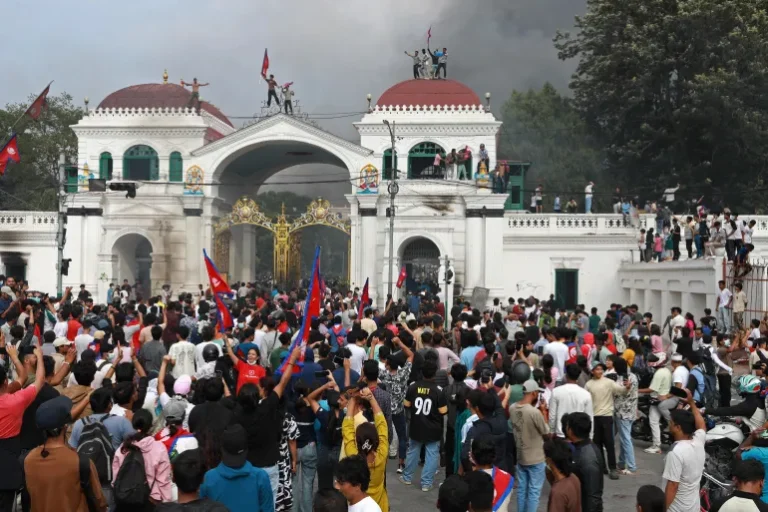
Young activists lead massive protests in Nepal demanding an end to corruption; interim Prime Minister Sushila Karki pledges national unity and elections. Photo: Perplexity
September 14, 2025 Hour: 11:40 am
🔗 Comparte este artículo
Nepal youth protests demand end to corruption and justice amid 72 deaths; interim PM Karki vows elections and national unity.
Related: Nepal’s Youth Movement Denounces Government’s Deepening Ties With Israel
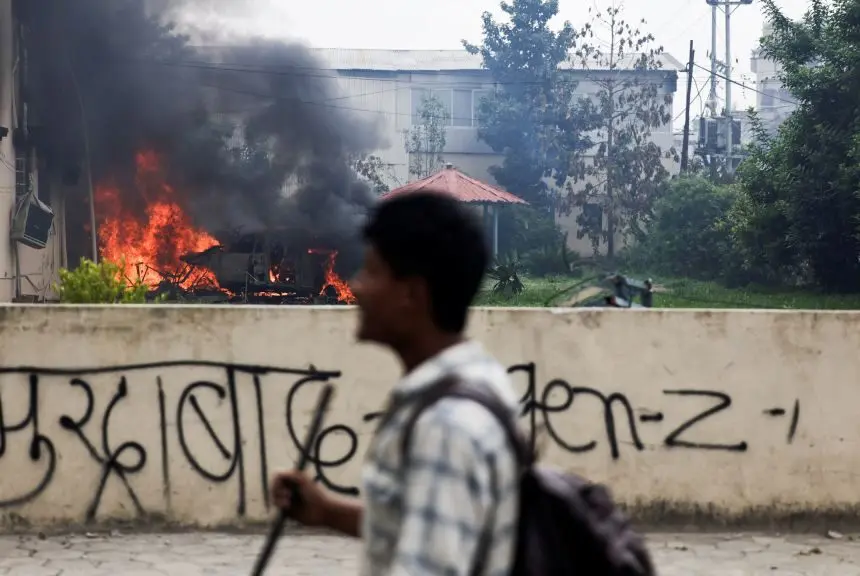
Nepal youth protests ignite deadly crisis amid calls for political change
The ongoing Nepal youth protests have sparked the country’s most severe social upheaval in decades, with at least 72 dead and hundreds injured as of mid-September 2025. Interim Prime Minister Sushila Karki, appointed after mass unrest, issued a strong call for calm and unity, recognizing the legitimacy of the youth’s demands mainly led by Generation Z, who have taken to the streets demanding an end to corruption, good governance, and economic equality.
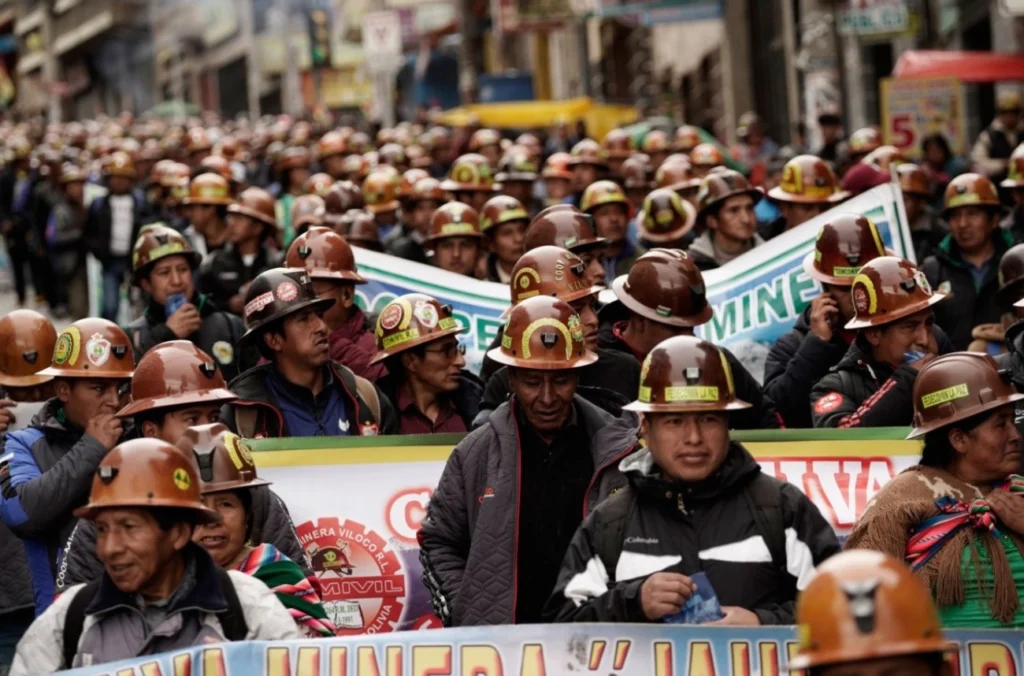
The protests erupted following a temporary suspension of social media platforms, igniting years of frustration over poverty and systemic corruption. Tens of thousands marched in Kathmandu and other cities pressing for deep political and economic reforms.
Government response, social fallout, and political transition in Nepal youth protests
The state’s response was marked by repression. Police opened fire on protesters on September 8 in Kathmandu, resulting in multiple fatalities. In retaliation, demonstrators set fire to official buildings, including the presidential office, ministries, and residences of prominent politicians.
The violence forced then-Prime Minister KP Sharma Oli to resign on September 9, leading to Karki’s appointment through negotiations involving protest leaders, President Ramchandra Paudel, and Army Chief Ashok Raj Sigdel.
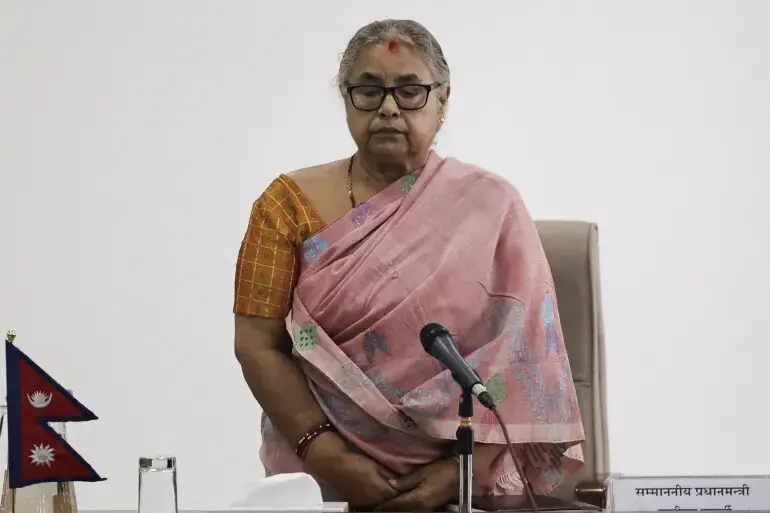
Karki, 73 and former chief justice of Nepal’s judiciary, emphasized her appointment as a result of “pressure from the streets,” not personal ambition. She pledged an interim government lasting no more than six months, tasked with stabilizing the country and organizing parliamentary elections by March 5, 2026.
In a poignant gesture, Karki observed a minute of silence for the victims and announced compensation of approximately 1 million Nepali rupees (about $11,330 USD) for each family affected by the violence. She stressed, “We must work aligned with the thoughts of Generation Z and listen to their demands: end corruption, good governance, and economic justice.”
Human rights concerns and international reactions
The protests, largely driven by politically active youth like Sudan Gurung, founder of the NGO Hami Nepal (“We Are Nepal”), reflect calls for profound reforms to return power to the people and deliver justice to corrupt officials.
International human rights organizations expressed concern over the violence and urged an end to “past impunity.” Amnesty International’s Isabelle Lassee warned Nepal faces a critical juncture where the struggle for human rights may either consolidate or reverse, underlining the need for justice and respect for fundamental rights.
The Ministry of Health confirmed 72 deaths so far, noting ongoing recovery of bodies amid burned tents, houses, and other buildings after the protests. Spokesperson Prakash Budathoki reported that many bodies of those killed in attacked sites are still being found, with mourners recently receiving the remains of loved ones.
One tragic case is that of Karuna Budhathoki, who mourned her 23-year-old nephew killed during the unrest. She recalled, “While his friends withdrew from the protests, he chose to continue. We were told he arrived dead at the hospital.”
External links for background and human rights monitoring:
- Amnesty International Nepal
- Human Rights Watch Nepal
- United Nations Office of the High Commissioner for Human Rights (OHCHR) Nepal
Geopolitical context and the broader significance of Nepal youth protests
The Nepal youth protests symbolize a broader struggle seen in many countries where deep social inequalities and entrenched corruption fuel popular uprisings. These protests challenge opaque governance structures that perpetuate injustice and poverty.
The state’s use of violence exposes the contradictions of a system prioritizing political stability over human rights, suppressing voice and dissent, particularly of vulnerable populations. Against this backdrop, Karki’s assumption offers an opportunity for political self-determination and reform—but only if her interim government champions transparent, participatory processes to root out corruption.
Nepal’s history of foreign influence and internal strife makes this a decisive moment for building a state founded on social justice, inclusion, and rights respect. The international community should support this transition with solidarity and respect for Nepal’s sovereignty, avoiding destabilizing interventions.
Nepal youth: voices for a just and democratic future
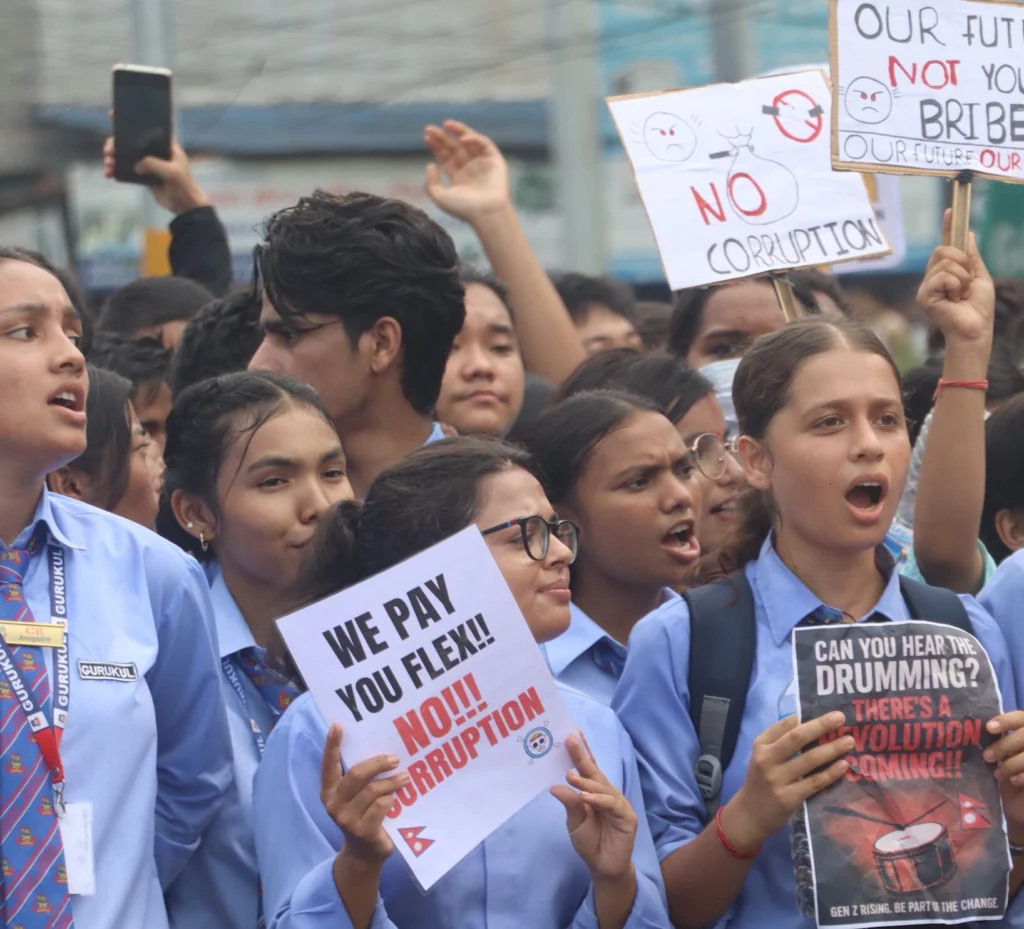
The forceful demands of Generation Z resonate powerfully as a call for an end to political and economic corruption. This mobilization demonstrates how popular power can articulate transformative change beyond imperialist domination and traditional exclusionary regimes.
Critically, the situation calls for reflection on the roles of external actors and national elites who sustain exploitative and unequal models, frequently driven by geopolitical and economic interests detached from people’s true needs.
Nepal’s current crisis demands renewed commitment to participatory democracy and social justice, recognizing its youngest and most vulnerable sectors as key protagonists. The future balance will depend on real dialogue, respect for rights, and political will to dismantle structural corruption.
Hope for a peaceful political transition under interim Prime Minister Karki
Karki’s promise to hand over power to a duly elected parliament and hold timely elections offers tangible hope for genuine change. Political leaders must listen to citizen demands and ensure the transition benefits all Nepalese society, not entrenched elites.
Nepal’s call for national reconstruction is a message of resistance against both internal and external domination and exploitation and an affirmation of people’s right to freely determine their destiny without corruption.
Author: JMVR
Source: Aljazeera