







More than 390 rights violations denounced during strike in Ecuador
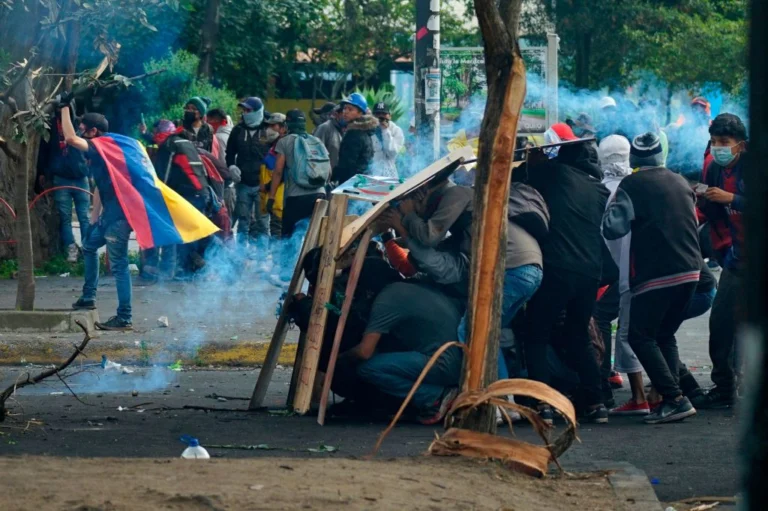
Human Rights organizations denounce more than 300 violations. Photo P.L
November 12, 2025 Hour: 10:15 pm
🔗 Comparte este artículo
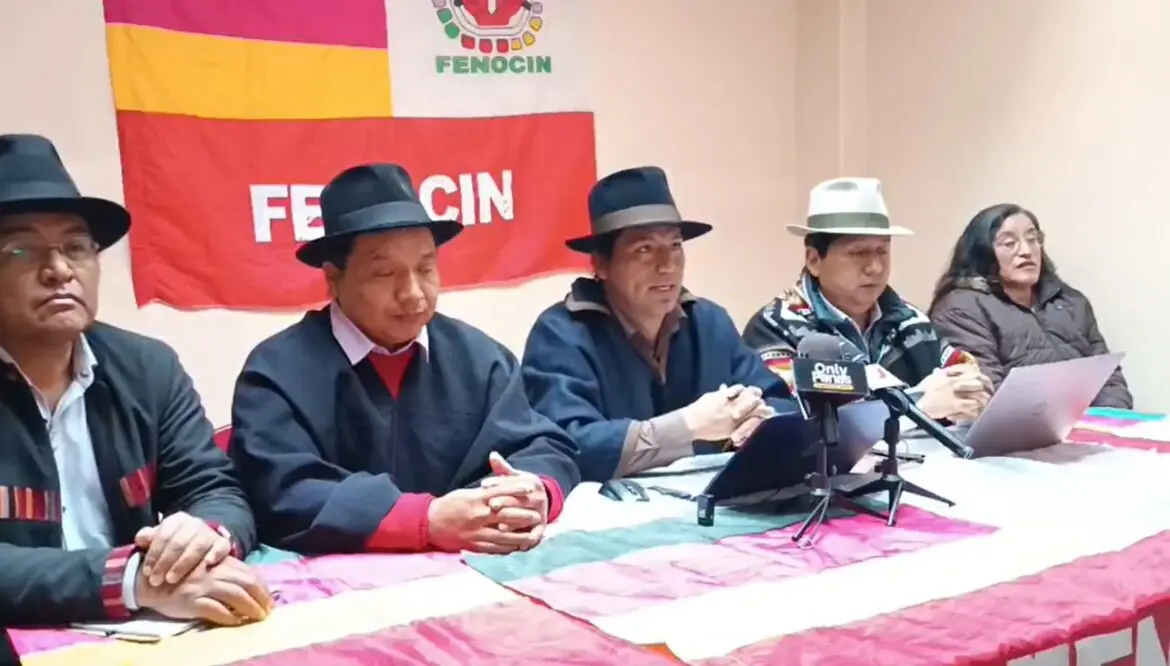
The Alliance of Human Rights Organizations denounced on Wednesday 391 violations during the recent national strike in Ecuador promoted by the indigenous movement, an uprising that lasted for a month against measures by the government of Daniel Noboa.
According to Vivian Hidrobo, coordinator of the Alliance, the team that worked on the protests recorded the abusive use of state violence against demonstrators, communities, social leaders and the population of different cities of the country.
RELATED:
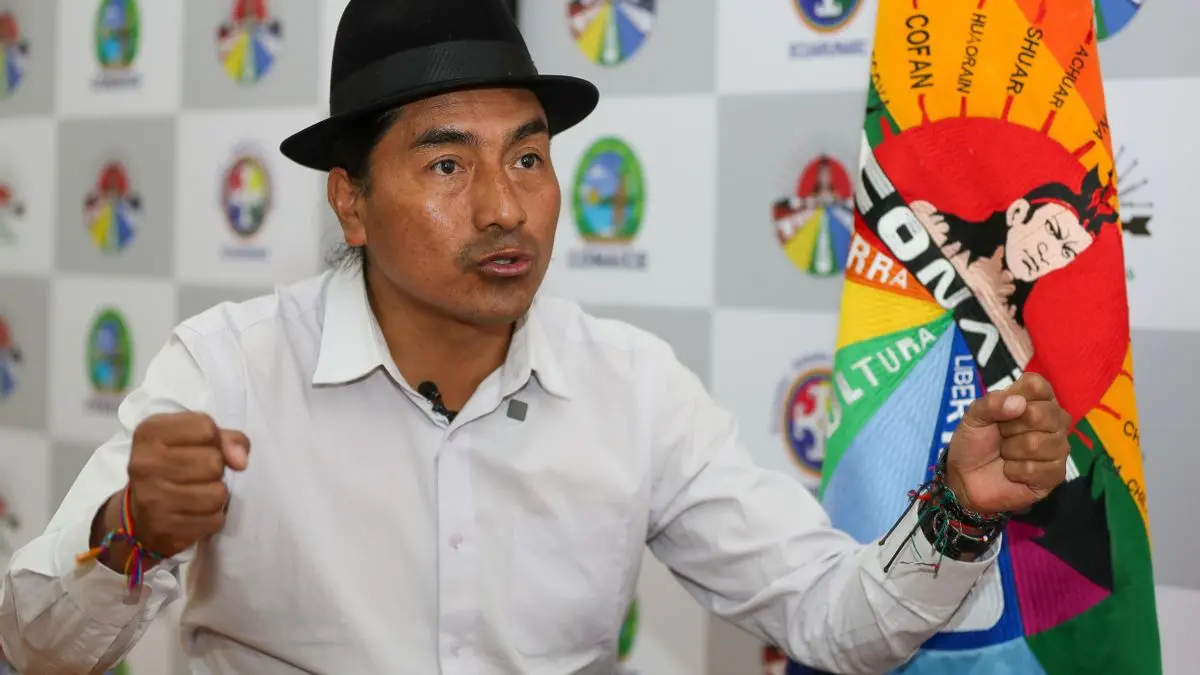
CONAIE calls for unity and denies dialogue with the Noboa government
He pointed out that, although the Government has hidden the true figures on the number of detainees in the mobilizations, they identified 206 people apprehended, 473 injured, at least 25 seriously, 16 temporary disappearances and two deaths due to the use of public violence.
“We point out that these data are underreported, because (…) the State, which should have given us figures every day (…) omitted its duty to be transparent and the Ombudsman’s Office did not fulfill its role in this national strike,” Hidrobo said.
The report on what happened in the uprising, presented on Wednesday, adds that 75 percent of the incidents of human rights violations occurred in the provinces of Imbabura and Pichincha, in the northern center of the country.
For her part, the president in charge of the Federation of Kichwa Peoples of the Northern Highlands of Ecuador, Sisa Cotacachi, denounced that the government attacked the communities at all times, even with firearms, and rejected the accusations of the Executive that accused the demonstrators of being terrorists.
Human rights defender María Espinosa referred to the causes of the strike which, she said, have to do with a very clear weakening of civic and democratic spaces in the country, with a concentration of state authoritarianism in the hands of the Executive. He also questioned how the Noboa administration promotes a hateful, racist discourse that seeks to position the peoples on the side of terrorism and organized crime.
Espinosa asserted that the consequences of the strike continue, since there are a high number of demonstrators, leaders and human rights defenders who today have cases against them for crimes such as terrorism, paralysis of public services, incitement, which are disproportionate criminal types.
Martha Tuquerres, president of the Union of Peasant and Indigenous Organizations of Cotacachi, stressed that the struggle was not only because of the increase in the price of diesel, but because of the government’s entire economic policy, since most cannot even access the basic basket.
For 31 days, Ecuador experienced a wave of protests promoted by the Confederation of Indigenous Nationalities of Ecuador (Conaie) in rejection of the end of the diesel subsidy and other measures of the Executive.
The action of the public forces in the demonstrations left a total of three dead, Efrain Fuerez, José Guamán and Rosa Paqui, the latter died as a result of tear gas and the two young indigenous people from bullet impacts.
Author: HGV
Source: CONAIE