


Mexico to Resume Oil Shipments to Cuba
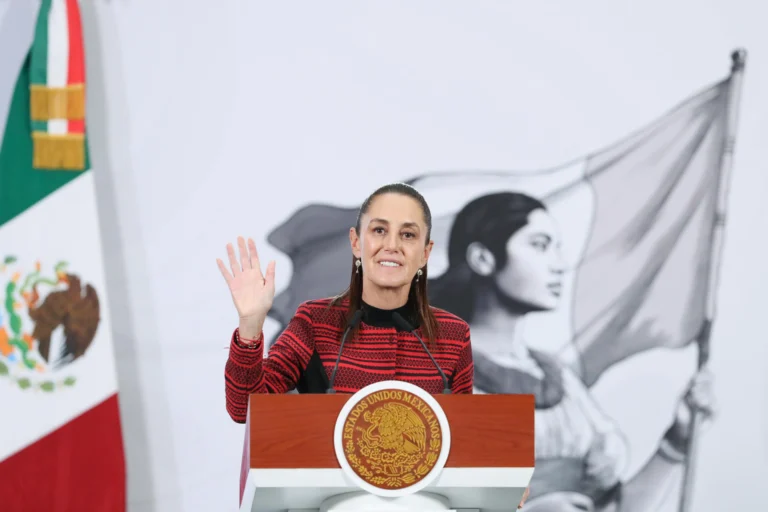
“Solidarity aid is one thing and trade agreements we have with Cuba are another, and that also has to do with the shipment of oil”, the Mexican President affirmed. Photo: EFE.
March 30, 2026 Hour: 4:51 pm
🔗 Comparte este artículo
Mexico’s President Claudia Sheinbaum on March 30 announced that her country is actively working to reactivate oil shipments to Cuba, amidst the intensifying United States blockade against the Caribbean nation.
During her habitual press conference at the National Palace, Sheinbaum emphasized that this initiative falls under both solidarity aid and long-standing commercial agreements, asserting Mexico’s right to provide fuel to its ally without external interference.
Mexican President Claudia Sheinbaum declared that her country is diligently working to reactivate the vital shipment of oil to Cuba. This declaration was made during her regular press conference at the National Palace, directly in response to a question concerning the recent arrival of a Russian crude carrier to the island.
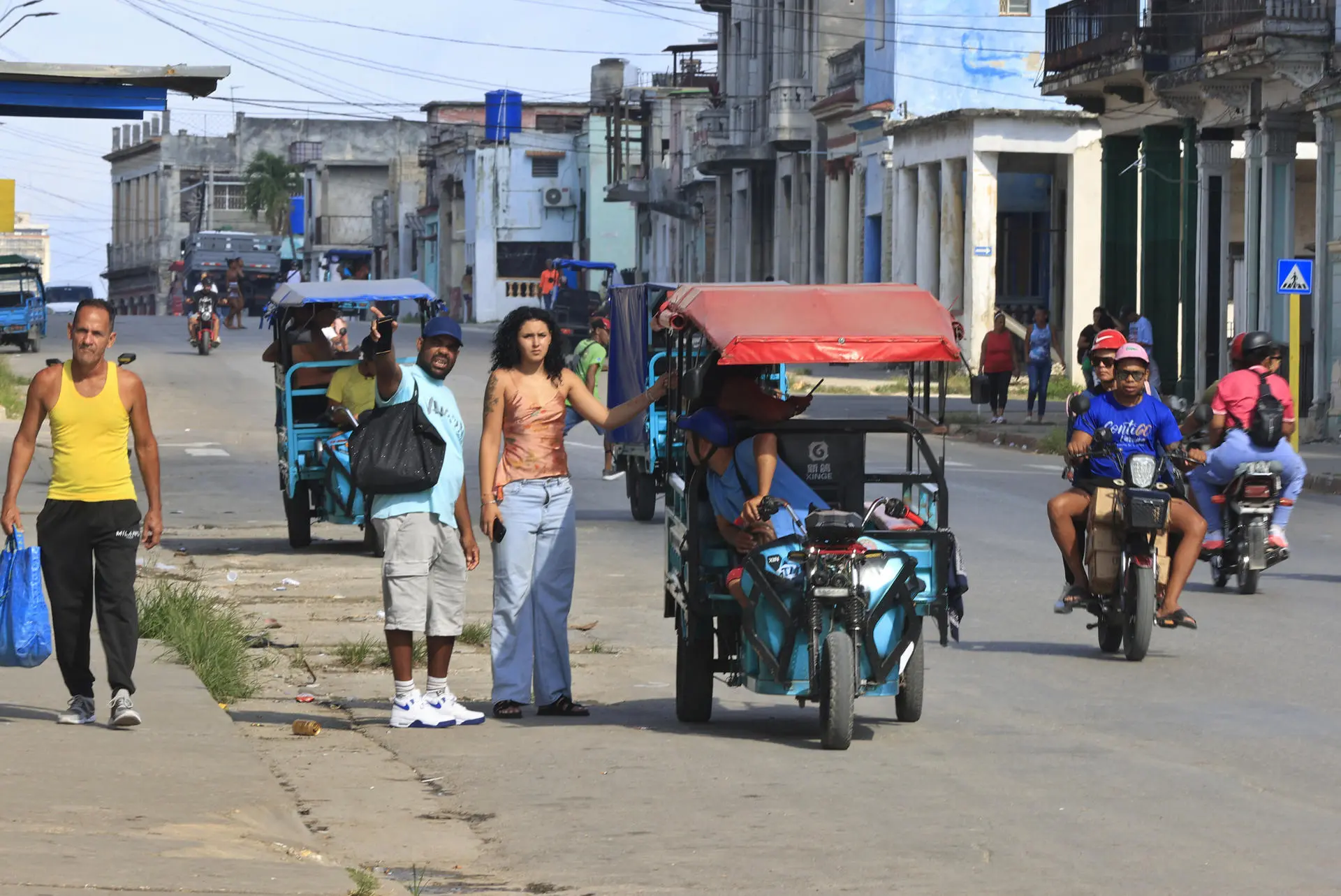
Sheinbaum’s statement underscores Mexico’s commitment to its historical ally, particularly as Cuba faces a severe energy crisis exacerbated by the tightened United States blockade.
Sheinbaum clarified the distinction between different forms of support. “One thing is humanitarian aid, and the other is commercial agreements that we have with Cuba, and that also has to do with the shipment of oil”, she stated. She further elaborated that these commercial agreements have been in place “for decades, it is not new”, indicating a long-standing framework of cooperation between the two nations.
The Mexican President reaffirmed that her Government maintains joint efforts with the Cuban Government on both humanitarian and commercial fronts, ensuring continuous engagement and support for the Caribbean nation.
The Head of the Executive Power emphasized Mexico’s sovereign right to send fuel, whether for humanitarian reasons or as part of commercial arrangements. However, she also reiterated that Mexico does not wish to adversely affect the United States. Sheinbaum referenced past instances where “at one point there were tariffs (from Washington) if it was sent”, acknowledging the economic pressures imposed by the United States. She explained that “afterwards the tariffs decreased, and we always seek humanitarian aid. It is in that context that we will make the decision, and it will always be reported if oil is sent or not to Cuba.”
Furthermore, President Sheinbaum mentioned the existence of companies in Cuba that are actively seeking non-State actors for fuel supply, not necessarily through direct government-to-government agreements. This opens an alternative avenue for Cuba to secure much-needed energy resources, potentially circumventing some of the direct governmental sanctions.
Self-Determination Right
Sheinbaum emphatically reaffirmed Mexico’s steadfast defense of the Cuban people’s self-determination and the deep, historical bilateral relationship between Mexico and Cuba.
“No one should intercede, and if there is any problem related to that, there are multilateral organizations. There should not be the intervention of one country over another country. And the Mexico-Cuba relationship is historical. It is not new; it is historical, and we are going to continue supporting the Cuban people”, she asserted.
This powerful statement underscores Mexico’s long-standing foreign policy principle of non-intervention and its unwavering solidarity with Cuba, rooted in a shared history and mutual respect.
The situation concerning the United States blockade on Cuba and the exploration of alternative energy supply channels continues to be a subject of close monitoring across the region. Mexico, for its part, steadfastly maintains its principled stance of cooperation, firmly based on an unwavering respect for sovereignty and adherence to the frameworks of international law. This commitment reflects a broader regional sentiment that seeks to mitigate the impacts of unilateral sanctions and promote greater stability through collaborative engagement rather than confrontational policies.
The ongoing dialogue and practical steps undertaken by Mexico are crucial for providing essential relief to Cuba and sustaining the island nation through its enduring challenges.
Author: Laura V. Mor
Source: Agencies