







Mexico Ozone Contingency: 7 Alarming Measures as Heat Wave Chokes the Capital
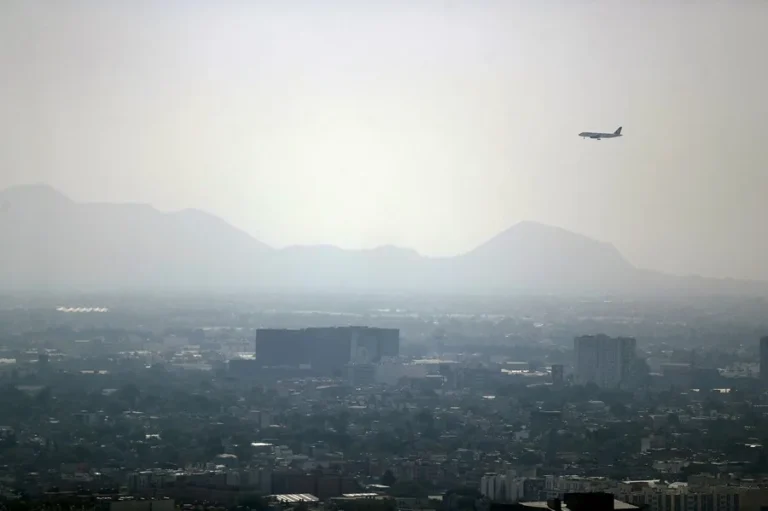
Mexico City faces another ozone emergency as heat, smog, and low ventilation push air quality to dangerous levels.
April 26, 2026 Hour: 2:25 pm
🔗 Comparte este artículo
Mexico ozone contingency returns to Mexico City with traffic bans, outdoor suspensions, and health alerts as heat and stagnant air worsen pollution.
Related: Mexico names Menchú senior advisor on rights policy
Mexico Ozone Contingency: 7 Alarming Measures as Heat Wave Chokes the Capital
Mexico ozone contingency was activated once again on Sunday, April 26, 2026, in the Mexico City metropolitan area after environmental authorities detected dangerous ozone levels driven by intense heat, strong solar radiation, and poor atmospheric ventilation. The measure placed the capital under Phase 1 alert and triggered traffic restrictions, service limitations, and the suspension of outdoor activities.
The emergency marks the fifth time this year that the city has entered an ozone contingency, a sign that the combination of extreme temperatures and stagnant air continues to worsen pollution episodes across the Valley of Mexico. Authorities reported a maximum concentration of 163 parts per billion at the FES Acatlán monitoring station in the State of Mexico.
The Mexico ozone contingency is not only an environmental measure but also a public health response. Officials warned that the conditions could persist for several hours, while vulnerable populations were urged to stay indoors during the most critical part of the day.
Mexico Ozone Contingency Triggers Vehicle Restrictions
The Mexico ozone contingency forced authorities to activate road-use restrictions from 5:00 a.m. to 10:00 p.m. on Sunday. Private vehicles with zero and double-zero verification stickers were included under specific plate-ending rules, along with cars bearing hologram 2 and certain hologram 1 vehicles.
Cars without verification, vehicles with out-of-state plates, and transport units were also affected by the temporary ban. The goal is to reduce emissions during the hours when ozone tends to accumulate most strongly and when meteorological conditions prevent pollutants from dispersing.
The restrictions are part of a broader emergency strategy used in the metropolitan area whenever pollution reaches critical thresholds. In practical terms, the Mexico ozone contingency aims to limit additional contamination while authorities monitor whether conditions improve or worsen through the day.
The measure also shows how dependent the city remains on road transport. In a metropolis of more than 20 million people, even short-term driving restrictions can affect work commutes, deliveries, and daily movement, yet officials say those disruptions are necessary to prevent deeper health risks.
- Mexico government environmental information: https://www.gob.mx
- World Health Organization air pollution guidance: https://www.who.int
- Mexico City air quality monitoring: https://www.aire.cdmx.gob.mx
Mexico Ozone Contingency Impacts Public Life and Services
The Mexico ozone contingency also reached the service sector. Authorities ordered a 50 percent suspension of LPG delivery units supplying stationary tanks without dry-disconnect valves, especially those with even-numbered plates. This is intended to reduce emissions from fuel transport during the most polluted hours of the day.
At the social level, all scheduled outdoor activities were canceled, including family events such as the Zocalito de las Infancias. The cancellation reflects the seriousness of the alert and the need to reduce public exposure to contamination, especially among children and other sensitive groups.
Health authorities advised residents to avoid outdoor exposure between 1:00 p.m. and 7:00 p.m., the period when ozone concentrations are expected to be highest. They specifically recommended that children, older adults, pregnant women, and people with respiratory or cardiovascular conditions remain especially cautious.
The advice is not merely precautionary. Ozone can irritate the lungs, worsen asthma symptoms, and increase discomfort in people with chronic conditions. During a Mexico ozone contingency, the recommendation is to limit physical activity outdoors and avoid unnecessary travel whenever possible.
Heat, Smog, and Public Health Risk
The Mexico ozone contingency has become increasingly frequent because of a dangerous combination of weather and urban pollution. High temperatures intensify ozone formation, while weak winds and atmospheric stagnation keep contaminant levels from dispersing. This creates a cycle in which the city becomes trapped under a polluted layer for hours at a time.
The problem is especially serious in spring, when solar radiation is intense and temperature spikes are more common. In those conditions, emissions from vehicles, industrial activity, and other urban sources react in the atmosphere and produce higher concentrations of ground-level ozone, one of the main pollutants affecting large cities.
For public health officials, the current Mexico ozone contingency is a reminder that air quality emergencies are not isolated events. They are part of a broader pattern linked to urban growth, motorization, and climate stress, all of which have made pollution episodes more difficult to control.
The repeated activation of the contingency also raises questions about the long-term resilience of Mexico City. Temporary restrictions can reduce exposure in the short term, but authorities face a deeper challenge: how to lower emissions enough to prevent these alerts from becoming routine.
Geopolitical and regional context
The Mexico ozone contingency matters beyond the capital because it reflects a wider Latin American urban reality. Many large cities in the region face similar pressures from traffic congestion, industrial emissions, and rising heat linked to climate change.
Mexico City’s experience is closely watched because it combines dense population, high vehicle use, and a fragile atmospheric environment. The city’s air-quality alerts often serve as a reference point for other metropolitan areas in the hemisphere confronting the same mix of pollution and climate stress.
At the regional level, the crisis underscores the need for clean transport policies, climate adaptation, and stronger environmental coordination. As heat waves become more intense, cities across Latin America may see more frequent pollution emergencies like the current Mexico ozone contingency.
Monitoring, Enforcement, and What Comes Next
The Mexico ozone contingency remains in force as meteorological forecasts indicate that pollutant stagnation could persist for several more hours. Authorities continue to track air quality across the Valley of Mexico, and further decisions will depend on how quickly conditions improve.
If ozone levels remain elevated, the contingency may be extended or stricter measures could be introduced. Environmental commissions and local agencies are expected to update the public regularly through official channels, especially if afternoon conditions remain hazardous.
For now, the central message is clear: the Mexico ozone contingency is a response to a real and immediate risk, not just a bureaucratic warning. It is meant to protect people from exposure to a pollutant that becomes especially dangerous when heat and still air trap it over the city.
Residents are being urged to stay informed, reduce outdoor activity during peak hours, and comply with vehicle restrictions. In a city that repeatedly confronts these episodes, prevention remains the most effective tool available.
Author: JMVR
Source: Agencias