







Mexico Expands Measures Against Cattle Screwworm
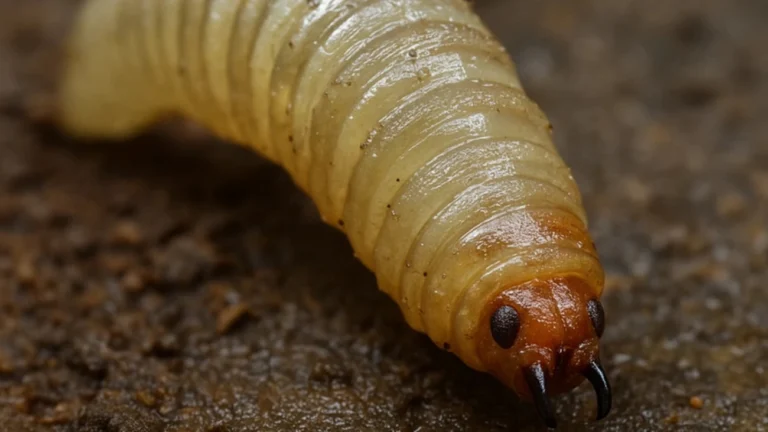
Screwworm. Photo: TV Azteca.
December 3, 2025 Hour: 9:32 am
🔗 Comparte este artículo
Collaboration from the livestock sector and the public is essential to curb the spread of the pest.
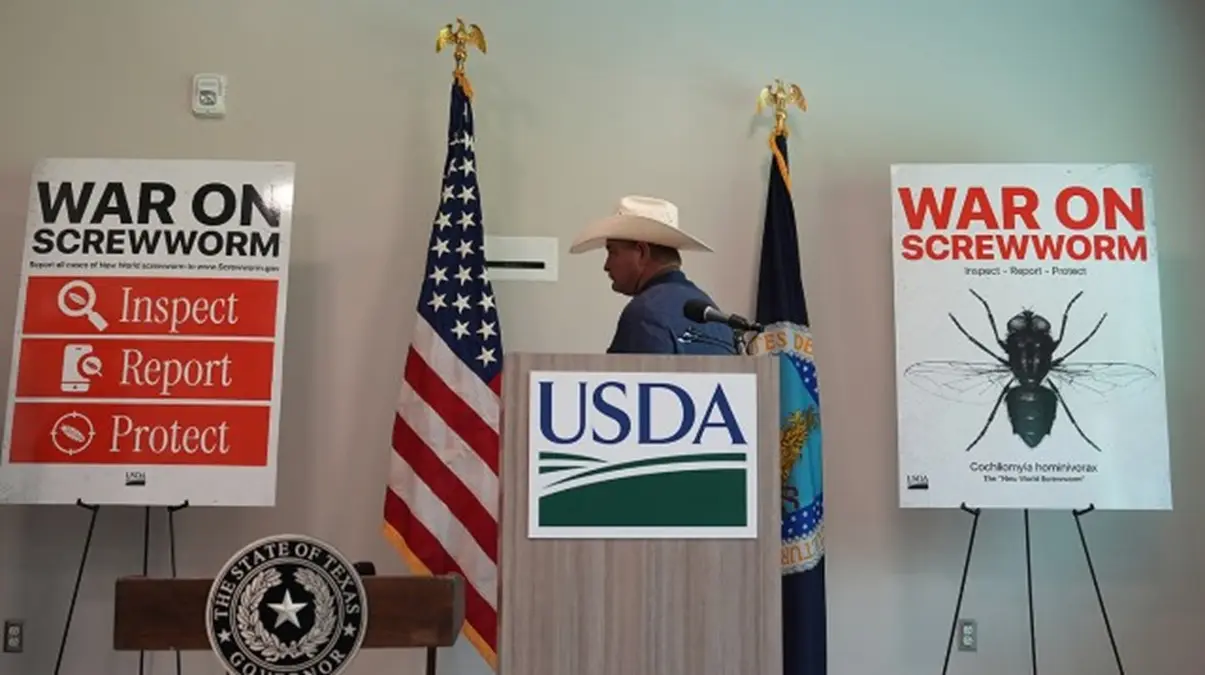
On Tuesday, the Mexican government announced new measures against the cattle screwworm, with the Ministry of Agriculture and Rural Development (SADER) strengthening the National Animal Health Emergency Response System (DINESA) to contain and eradicate the myiasis.
RELATED:
Mexico Proposes Nationwide Animal Health Measures to Contain Screwworm Pest
The screwworm is a pest that affects cattle, domestic animals, wildlife, and even humans. The new measures include mandatory reporting of cases to the appropriate authorities and the implementation of additional hygiene measures for animals.
Collaboration from the livestock sector and the public is considered essential to curb the spread of the pest, which reappeared just over a year ago, leading the United States to close its border to Mexican livestock exports three times. The most recent closure occurred on July 9, after a case was detected in Veracruz state.
In Aug., Mexico and the United States signed a binational work plan to strengthen a screwworm control strategy, which includes inspection, trapping, transit verification, and the release of sterile flies.
The text reads, “The Mexican government issued a health emergency declaration after detecting the presence of the screwworm in the country. This action activates stricter protocols, and people will require specific permits for the movement of livestock to prevent its spread.”
The DINESA agreement establishes obligations for state secretariats, owners, veterinarians, importers, certifiers, laboratories, and transporters of susceptible animals, who must strictly comply with the legal provisions.
Imports of Mexican livestock are vital to the United States. They average more than one million head annually for decades, and represent 60% of U.S. live cattle purchases and approximately 3% of the U.S. domestic herd.
Livestock workers must report cases to the National Food Safety and Quality Service (SENASICA) and present the Animal Health Movement Certificate for the transport of cattle, buffalo, bison, sheep, goats, swine, and poultry.
teleSUR: JP
Source: EFE – Prensa Latina