


Mexico Aid to Cuba: Heartwarming Solidarity Delivers 1,193 Tons of Vital Food
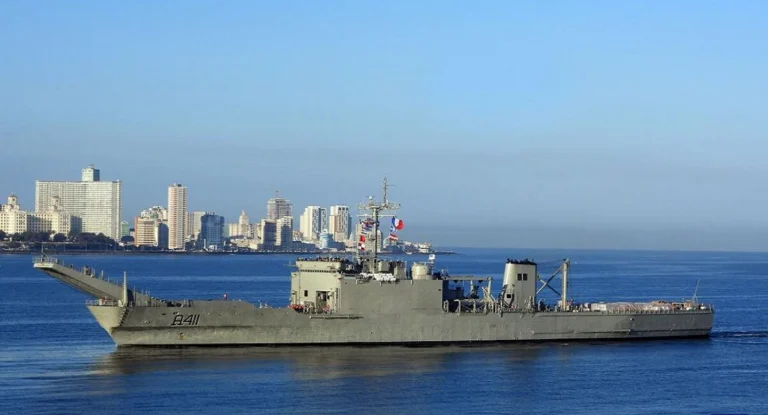
The ARM Papaloapan, part of Mexico Aid to Cuba efforts, arrives in Havana Bay on February 28, 2026, loaded with essential food supplies to support the Cuban people amid ongoing shortages.
February 28, 2026 Hour: 10:54 am
🔗 Comparte este artículo
Mexico Aid to Cuba 2026 continues with arrival of Navy ships Papaloapan and Huasteco in Havana carrying over 1,193 tons of beans, milk powder, and essentials. Gesture strengthens ties amid US blockade pressures.
Related: Mexico Ships a Second Humanitarian Aid Package to Cuba
Mexico Aid to Cuba Arrives in Havana Harbor with Essential Supplies
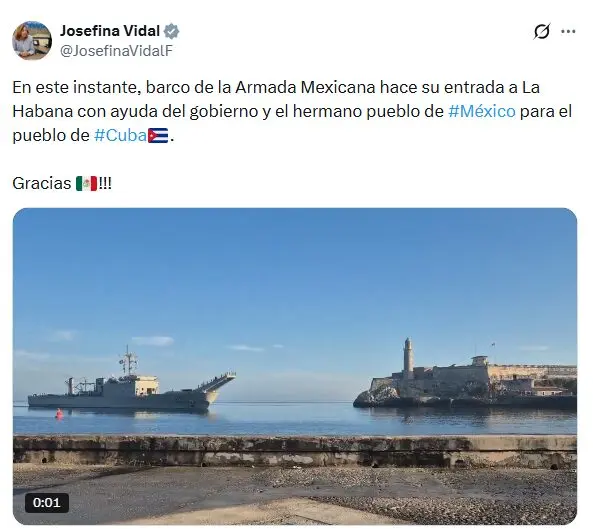
Havana, February 28, 2026 — Cuban Vice Foreign Minister Josefina Vidal confirmed the entry into Havana Bay of a Mexican Navy vessel carrying humanitarian aid from the government and people of Mexico. The arrival marks the latest chapter in bilateral solidarity as Cuba navigates severe economic pressures.
Vidal shared the news on social media platform X, writing: “At this very moment, a Mexican Navy ship is entering Havana with aid from the government and the brotherly people of #Mexico for the people of #Cuba.” She expressed deep gratitude for the gesture.
The delivery follows instructions from Mexican President Claudia Sheinbaum to provide support amid Cuba’s challenges. The logistics support vessels ARM Papaloapan and ARM Huasteco departed Veracruz on Tuesday, February 24, carrying a combined 1,193 tons of provisions.
ARM Papaloapan transported 1,078 tons of beans and powdered milk—staples critical for nutrition in times of scarcity. ARM Huasteco carried 92 tons of beans plus 23 tons of assorted food items gathered through community efforts.
This shipment represents the second major delivery in February, building on an earlier consignment of over 800 tons that reached Havana earlier in the month.
https://twitter.com/JosefinaVidalF/status/2027736319548338358?s=20
Geopolitical Context
Mexico Aid to Cuba underscores deepening Latin American solidarity in the face of intensified U.S. economic measures following actions against Venezuela in January 2026. Washington’s threats of tariffs on nations supplying oil to Cuba have severely restricted fuel inflows, worsening blackouts, transportation paralysis, and food distribution strains. Mexico’s non-oil humanitarian focus navigates delicate U.S. relations while upholding historical ties rooted in anti-imperialist principles and shared revolutionary heritage. Regionally, the aid bolsters CARICOM and CELAC cohesion, counters isolation efforts, and may encourage similar support from allies like Venezuela, Bolivia, and Nicaragua. Globally, it highlights tensions between unilateral sanctions and humanitarian norms, potentially influencing debates at the UN General Assembly and testing the limits of secondary sanctions in the Americas.
Details of the Shipment and Broader Humanitarian Effort
The Mexican Foreign Ministry detailed the operation in an official statement, noting involvement of over 350 naval personnel, cranes, and forklifts for efficient loading and transport. The voyage, estimated at four days, reflects careful planning to ensure safe delivery.
Contributions extended beyond government channels. Organizations in Mexico City collected and donated 23 tons of supplies through a central collection point in the Historic Center, with municipal authorities facilitating logistics.
Mexico’s government reiterated its commitment: “The people of Mexico keep alive their tradition of solidarity with the peoples of Latin America and particularly with the people of Cuba. Our country has always provided aid to brotherly nations in need.”
This echoes longstanding bilateral relations, where mutual support has weathered political shifts. Mexico has consistently defended Cuba’s sovereignty in international forums, rejecting policies seen as infringing on self-determination.
For the official Mexican government announcement on the shipment, see Secretaría de Relaciones Exteriores press release.
Further reporting on the aid’s context and arrival is available from Associated Press coverage.
Strengthening Ties Amid Cuba’s Ongoing Challenges
The aid arrives as Cuba contends with prolonged blackouts, fuel scarcity, and rising costs for essentials. Prolonged power outages disrupt daily life, agriculture, and healthcare, while limited imports compound difficulties.
Mexican deliveries focus on non-perishable, high-nutrition items like beans and milk powder, directly addressing dietary needs in rationed systems. Distribution will prioritize vulnerable populations through state channels and community networks.
President Sheinbaum’s administration has emphasized humanitarian priorities while adhering to U.S. restrictions on energy transfers. The approach balances diplomatic caution with principled support.
Cuba has publicly thanked Mexico for consistent backing, viewing it as reaffirmation of fraternal bonds. Officials note such gestures counter attempts at economic isolation.
The pattern of aid shipments signals potential for sustained cooperation, possibly expanding to medical supplies or technical assistance in future phases.
For insights into earlier deliveries and public reception, refer to teleSUR’s report on the first consignment.
Mexico Aid to Cuba exemplifies active regional solidarity in turbulent times. As vessels dock and supplies reach communities, the effort provides immediate relief while reinforcing diplomatic ties. With challenges persisting, continued collaboration between Havana and Mexico City may offer a model for Latin American resilience against external pressures. The arrival on February 28 underscores that shared history and mutual respect continue to drive meaningful support across borders.
Author: JMVR
Source: Josefina Vidal X