







Margaret Atwood Warns of Rising Censorship in the United States
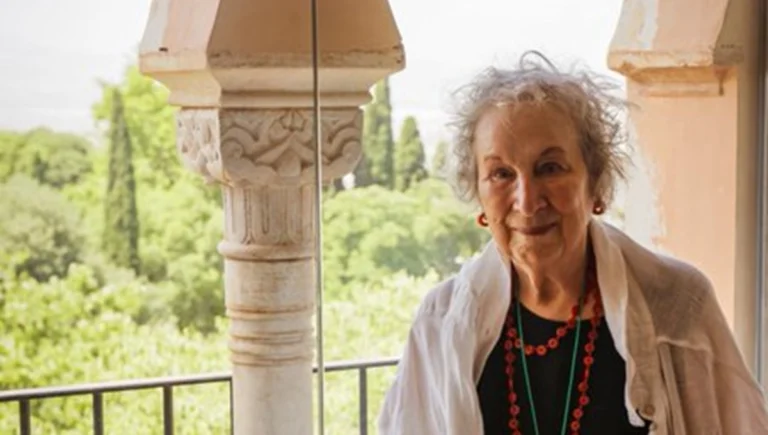
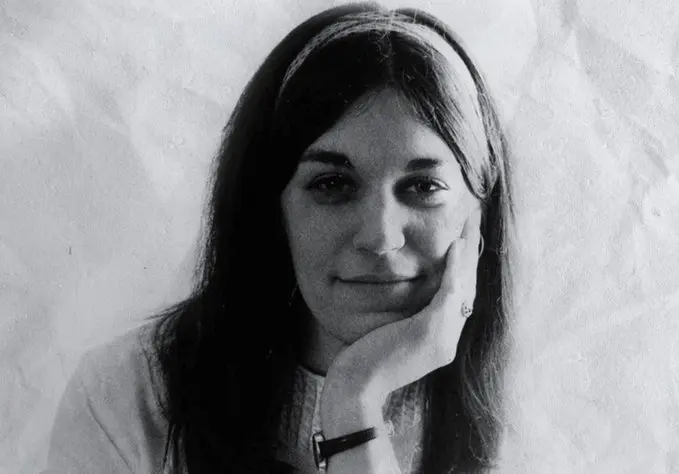
Margaret Atwood in Granada, Spain, June, 2026. X/ @alhambracultura
June 22, 2026 Hour: 9:23 am
🔗 Comparte este artículo
Canadian author says schools and libraries are banning books at unprecedented levels.
On Monday, Canadian author Margaret Atwood warned about the rise of censorship in the United States, a country where, she said, more books are now being banned in libraries and schools than at any other time in the modern era.
RELATED:
Argentinean President Javier Milei Accused of Censorship After Press Blockade
During her investiture as an honorary doctorate recipient at the University of Granada in Spain, she criticized political parties that champion freedom of expression while in opposition but promote restrictions once they come to power.
The author of The Handmaid’s Tale said humanities professors are under siege at American universities, where their disciplines are being labeled “nonessential” at a time marked by rapid technological change and scientific innovation. She emphasized that the humanities teach people how to think, create and understand others, especially “those who are different from oneself.”
“A society that can no longer think clearly and can no longer question its own assumptions is heading toward the abyss,” she said, emphasizing that it is essential for individuals to preserve their critical thinking skills.
The author of The Testaments recalled that the regime portrayed by George Orwell in his novel 1984 seeks to consolidate its power by eliminating from language any words that allow people to think and form critical opinions.
Along those lines, she questioned whether artificial intelligence will play a role similar to Orwell’s “Thought Police”: “Will AI be able to achieve that? Let’s find out,” she said.
Atwood placed the situation facing the humanities and critical thinking within an international context that she described as a “perfect storm” of simultaneous crises, including environmental degradation and the wars in Ukraine, Gaza and Iran.
In that regard, she shared her concern about species extinction, the deterioration of ecosystems and the destruction of animal, plant and human habitats. “We need oxygen to breathe, and if we destroy life in the oceans, it will be over,” she stressed.
She added economic challenges to those concerns, including rising prices and job losses, as well as public debt and the risk of famines, factors that, she noted, historically preceded periods of major instability such as the French Revolution.
teleSUR/ JF
Source: EFE