







Mafalda at 61: The Lasting Voice of Latin America’s Most Iconic Cartoon
Six decades after its debut, Quino’s Mafalda endures as a cultural touchstone that continues to challenge and inspire across generations.
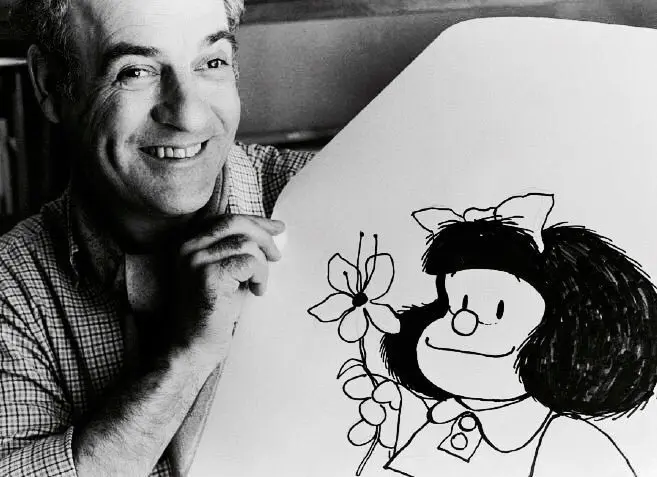
First published in 1964, Mafalda became a lasting symbol of Latin American culture, translated into 26 languages and remembered worldwide. Photo: @retrochenta
September 29, 2025 Hour: 9:04 am
🔗 Comparte este artículo
When Mafalda first appeared in the Argentine magazine Primera Plana on September 29, 1964, few imagined that the strip would transcend its nine years in print to become a defining cultural symbol. Six decades later, the sharp, soup-hating girl created by Joaquín Salvador Lavado Tejón—better known as Quino—continues to resonate across languages and generations.
Mafalda’s beginnings were almost accidental. In 1962, Quino designed the character for an advertising campaign for the appliance company Siam di Tella, while working at Agens Publicidad. The campaign was never released, and the drawings were left unused. Two years later, Mafalda found her way into print, making her official debut on September 29, 1964. Quino would later remark that the character had “two birthdays”: the day he first drew her in March 1962, and the day she reached the public in 1964.
Between 1964 and 1973, Mafalda became a daily presence in Argentine homes. Quino ended the strip on June 25, 1973, with its last publication in Siete Días Ilustrados. He preferred to close the series before it lost its edge. Yet in less than a decade, Mafalda had established herself as a cultural figure whose questions reflected the concerns of an entire society navigating dictatorship, censorship, and rapid social change.
The strip was built around Mafalda and her circle of family and friends. Susanita, her closest companion, dreamed of marriage and a large family, embodying traditional expectations. Felipe, sensitive and imaginative, was often immobilized by self-doubt. Manolito, the ambitious son of Spanish immigrants, idolized Rockefeller and envisioned a grocery empire. Miguelito, the youngest, mixed curiosity with naïveté, drifting into fanciful ideas. Libertad, outspoken despite her small stature, embraced social causes. Guille, Mafalda’s little brother, added mischief and innocence. Her parents—the office worker father and homemaker mother—represented the social roles that Mafalda persistently questioned.
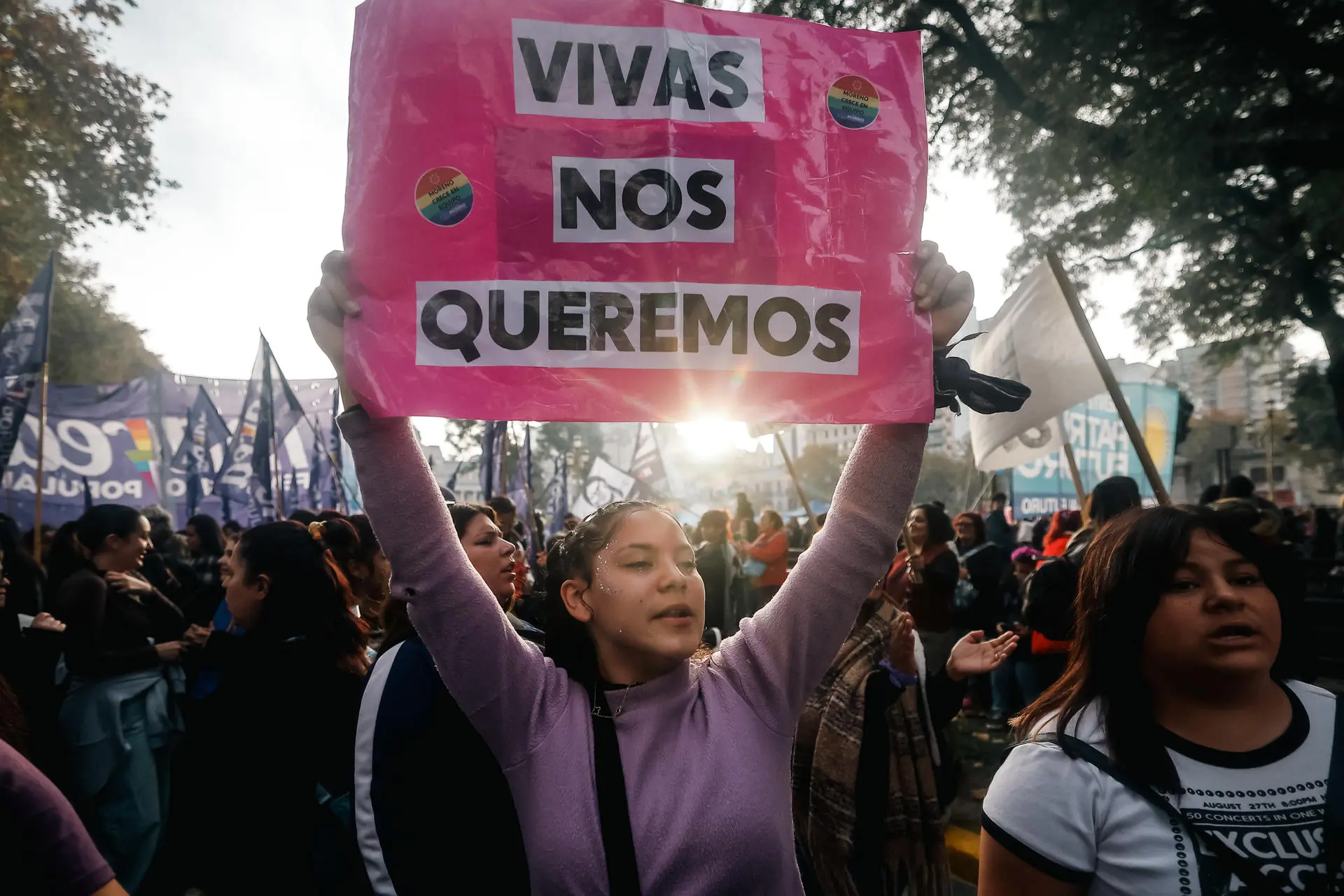
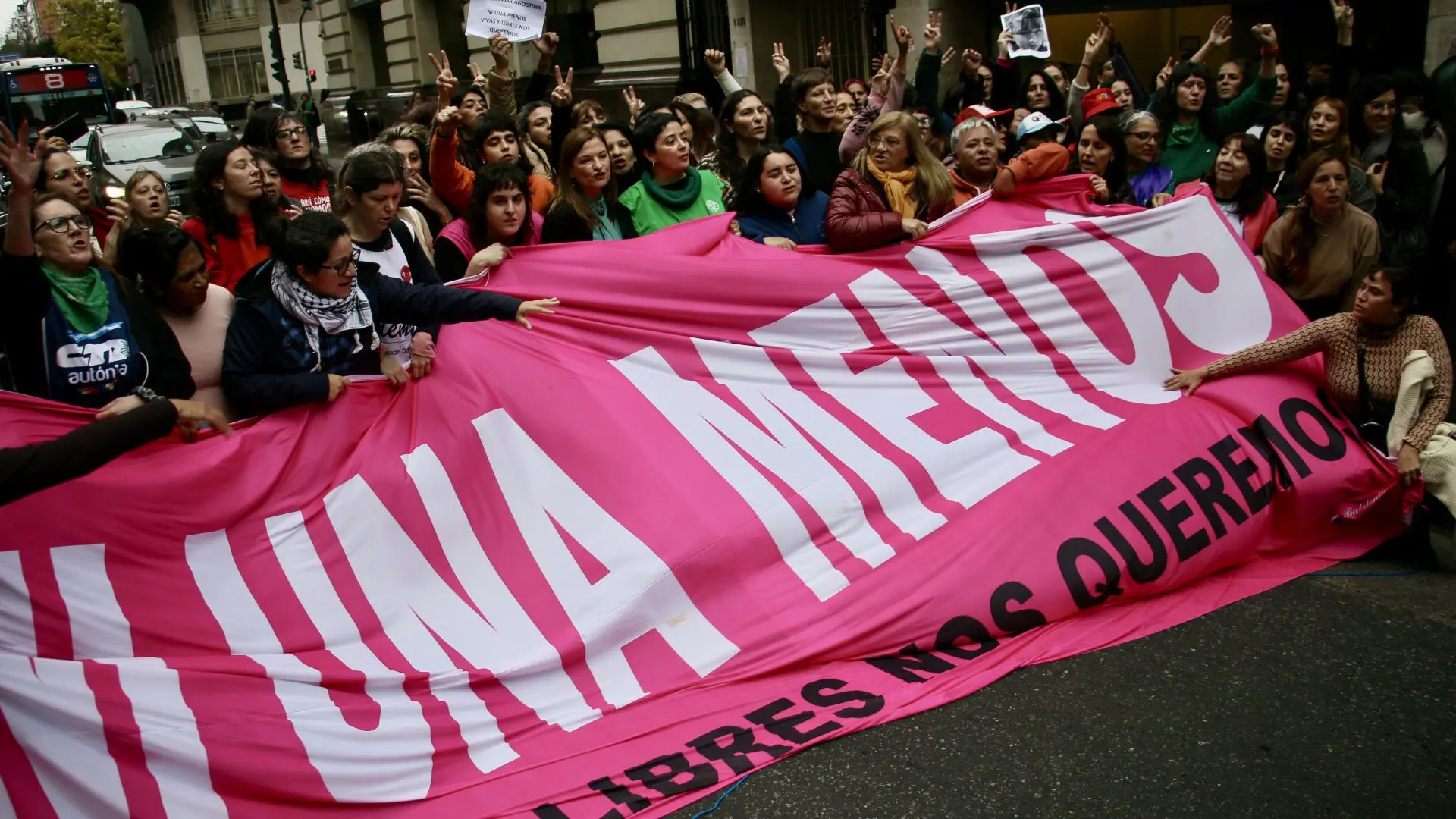
Through these characters, Quino exposed contradictions in everyday life, using irony and humor to spark reflection. Although Mafalda’s run was short, her voice carried far. Quino’s books have been translated into 26 languages and sold millions of copies. Statues of Mafalda now stand in Buenos Aires, Mendoza, Madrid, and Milan. Her likeness appears in murals and marches, where she continues to symbolize a call for justice and equality.
Quino passed away on September 30, 2020, just one day after other anniversary of Mafalda’s first publication. Tributes poured in across Latin America and beyond, with readers sharing some of her most famous panels on social media. More than fifty years after the strip’s conclusion, Mafalda’s questions still echo in contemporary debates.
At 61 years, Mafalda is a cultural reference that still challenges authority, questions inequality, and inspires new generations to look critically at their world—proof.
Author: MK