







5 Defiant Words: Maduro Sends Message from New York, Vows Resistance After U.S. Kidnapping
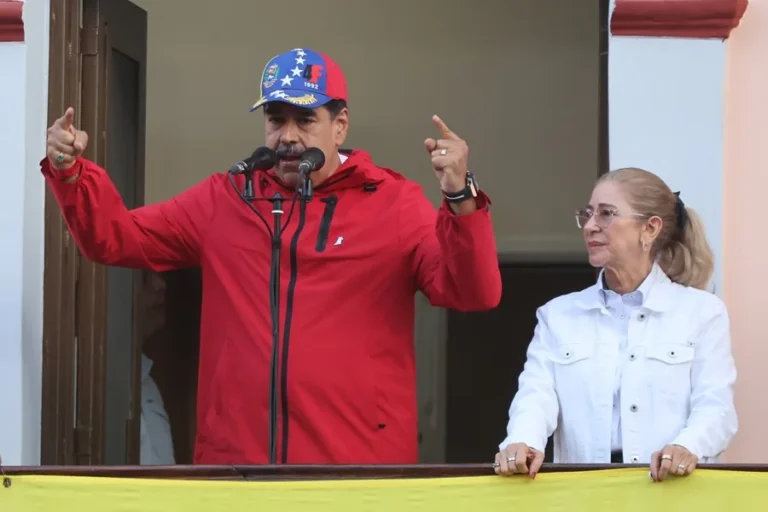
Venezuelan President Nicolás Maduro sent his first message from U.S. custody in New York, declaring: “We are well, we are fighters.”
January 11, 2026 Hour: 10:52 am
🔗 Comparte este artículo
Maduro sends message from New York confirming he and Cilia Flores are “well” after U.S. military kidnapping. Son shares defiant words amid global outcry.
Related: President Maduro Remains Defiant, Son Was Told Via Lawyers
5 Defiant Words: Maduro Sends Message from New York, Vows Resistance After U.S. Kidnapping
Maduro sends message from New York confirming that he and First Lady Cilia Flores are “well” despite being held in U.S. custody following what Venezuela describes as a military kidnapping on January 3, 2026. The message, delivered through legal representatives and shared publicly by his son, National Assembly Deputy Nicolás Ernesto Maduro Guerra, marks the first direct communication from the Venezuelan president since the alleged U.S. operation that left over 100 dead across Caracas, La Guaira, Aragua, and Miranda states.
In the brief but powerful statement, Maduro urged supporters not to succumb to despair. “We are well, we are fighters,” he declared—a phrase that has already become a rallying cry across Venezuela and solidarity movements worldwide. His son emphasized that his father remains “strong” and unbroken, despite what Caracas calls an act of war: “They couldn’t defeat him by any means, so they used disproportionate force—but they did not defeat him.”
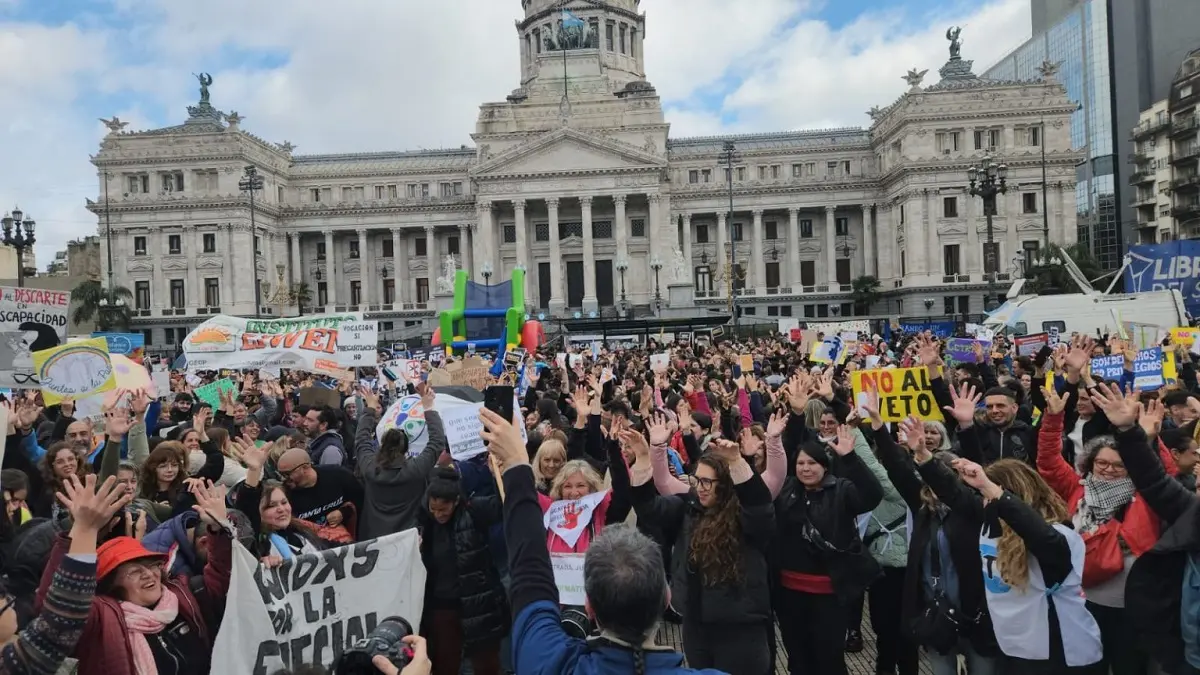
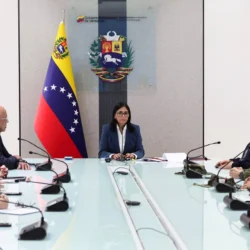
The revelation comes amid intensifying diplomatic fallout. Acting President Delcy Rodríguez, appointed by Venezuela’s Supreme Court to lead the government in Maduro’s absence, has formed a High-Level Commission to pursue his release through legal and political channels. Meanwhile, mass protests continue daily across all 23 states, with citizens demanding the immediate return of their democratically elected leaders.
Maduro Sends Message from New York Amid Global Condemnation of U.S. Aggression
According to Venezuelan officials, the January 3 operation involved coordinated airstrikes and ground incursions by U.S. special forces targeting presidential residences and military installations. The assault culminated in the forced extraction of Maduro and Flores, who were flown to New York and are reportedly being held at the Metropolitan Detention Center in Brooklyn—a federal facility known for housing high-profile detainees.
While the U.S. government has framed the action as a “counter-narcoterrorism operation,” citing long-standing (but unproven) allegations linking Maduro to the so-called “Cartel de los Soles,” no formal charges have been presented in an international court, and Venezuela rejects the accusations as politically motivated fabrications.
The United Nations Secretary-General António Guterres has condemned the operation, stating it “violates core principles of the UN Charter, including sovereignty, non-intervention, and the prohibition of the use of force.” Several members of the UN Security Council—including China, Russia, and Algeria—have echoed this stance, calling for an emergency session to address what they describe as a dangerous precedent in international relations.
“This is not law enforcement—it is state-sponsored abduction,” said Dr. Amara Diallo, an international law professor at the University of Dakar. “Even if allegations were true, due process requires extradition requests, judicial cooperation, and respect for diplomatic immunity—not midnight raids and forced transfers.”
Under the Vienna Convention on Diplomatic Relations, heads of state enjoy absolute immunity—a norm the U.S. appears to have disregarded. Legal experts warn that if such actions go unchallenged, the door opens for powerful states to unilaterally detain foreign leaders under flimsy pretexts.
Geopolitical Context: A World Reckoning with Unilateral Power
The crisis triggered by Maduro’s detention represents more than a bilateral dispute—it is a stress test for the post-World War II international order. At a time when multipolarity is rising and trust in Western institutions is eroding, the U.S. operation has galvanized a broad coalition of nations that view it as imperial overreach disguised as justice.
From Serbia, where President Aleksandar Vučić declared the UN Charter “nonfunctional,” to India, which called for peaceful resolution, and Brazil, which convened an emergency CELAC summit, the response has been remarkably unified. Even traditionally neutral actors like the Vatican and South Africa have expressed deep concern.
Regionally, the attack shatters the 2012 CELAC declaration of Latin America and the Caribbean as a “zone of peace.” That consensus explicitly rejects foreign military intervention, making the U.S. strike a direct affront to regional sovereignty. In response, countries like Colombia and Mexico are reevaluating security cooperation with Washington, while grassroots movements demand full severance of ties.
Globally, the incident accelerates trends toward de-dollarization and alliance diversification. Venezuela has already deepened energy and defense partnerships with Russia, China, and Iran—nations that now position themselves as defenders of sovereign equality. If the U.S. continues to act as judge, jury, and jailer, it risks pushing even its allies toward alternative power blocs.
Critically, the Maduro case exposes the hypocrisy of selective accountability. While Western powers invoke human rights to justify intervention, they ignore civilian casualties caused by their own bombs. Over 100 Venezuelans—soldiers and civilians alike—died in the January 3 strikes, yet these losses are absent from U.S. narratives focused solely on alleged crimes by the leadership.
Domestic Unity and International Solidarity in Defense of Sovereignty
Inside Venezuela, the government has maintained institutional continuity. The Supreme Court’s swift designation of Delcy Rodríguez as Acting President ensured constitutional legitimacy, while the Bolivarian National Armed Forces pledged full loyalty to the civilian chain of command. “The revolution does not depend on one person—it belongs to the people,” Rodríguez stated during a national address, vowing to “work and fight simultaneously” for peace and sovereignty.
Her administration has launched a dual strategy: diplomatic offensives at the UN and ICJ, paired with domestic mobilization to prevent destabilization. Community councils, worker brigades, and student collectives have organized food distribution, neighborhood patrols, and cultural resistance—proving that Venezuela’s social fabric remains intact despite external pressure.
Internationally, solidarity has poured in. Iran labeled the act “criminal aggression,” China demanded immediate release, and Cuba called it “state terrorism.” Even in the U.S., progressive lawmakers like Rep. Alexandria Ocasio-Cortez questioned the legality of the operation, while human rights groups warned of escalating militarism in foreign policy.
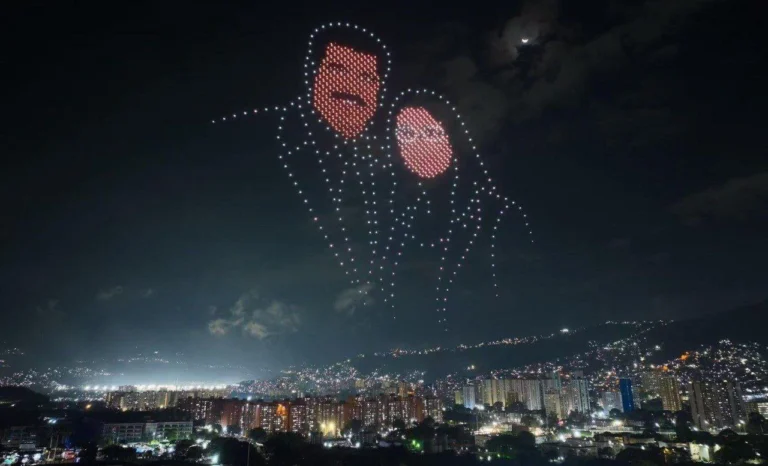
The message from Maduro—simple, personal, and defiant—has become a symbol of this broader resistance. By affirming “we are fighters,” he reframes the narrative: this is not a story of victimhood, but of endurance.
Conclusion: Words That Defy Empire
In a world where power often speaks through missiles and sanctions, Maduro sends message from New York that resonates not with threats, but with resilience. His five-word declaration—“We are well, we are fighters”—carries the weight of a nation refusing to be erased.
As Venezuela navigates this unprecedented crisis, its response offers a lesson: sovereignty is not granted—it is defended, day by day, voice by voice. And in the face of abduction, bombing, and blockade, the most revolutionary act may simply be to say: We are still here.
Author: JMVR
Source: TeleSUR