







LATAM Accounts for the Highest Number of Crimes Against Environmental Defenders
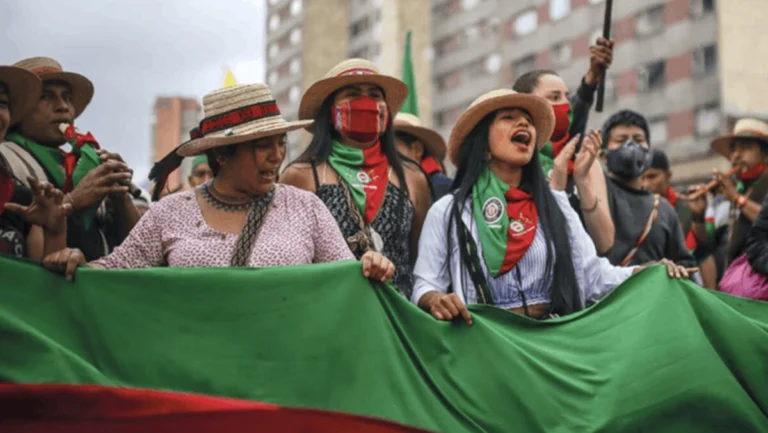
Protest over the killings of environmental defenders in Colombia. X/ @MongabayLatam
September 16, 2026 Hour: 10:07 am
🔗 Comparte este artículo
The majority of the killings occurred in Colombia, Brazil, Honduras, and Mexico.
On Wednesday, Global Witness published “Collective Power. The Struggle for Protection for Land and Environmental Defenders,” a report that documents killings and long-term disappearances globally.
RELATED:
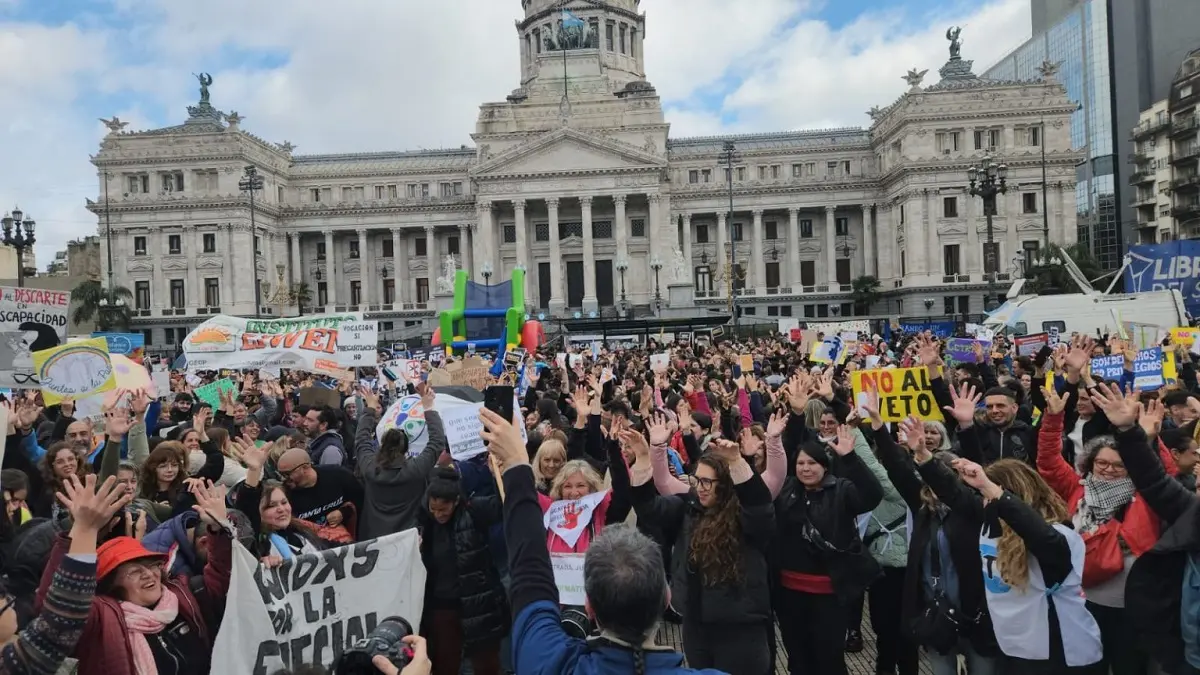
Argentinian Indigenous Peoples Accuse Milei of Land Dispossession Campaign
“We maintain a database so that there is a record of these crimes and to create a comprehensive worldwide picture of the systematic violence defenders face,” the UK-based NGO stated.
“The data provides a snapshot of the underlying drivers behind reprisals and indicates how some defenders and their communities face increased risks. Exposing these trends is the first of many steps to ensure that defenders and their communities are protected and can exercise their rights without fearing for their lives,” it stressed.
The GW annual report denounces that at least 124 land and environmental defenders were killed in 2025. Since 2012, however, the number of documented killings and disappearances reached 2,375.
As has occurred over the past 10 years, 85% of the crimes against land and environmental defenders took place in Latin America, the most dangerous region in the world for social activists.
“This persistently high level of lethal attacks reflects pervasive state failures to protect environmental defenders. Land tenure insecurity continues to be a key driver of attacks, demonstrating the urgent need for governments to secure territorial and land rights for Indigenous and Afro-descendant people, and small-scale farming communities,” Global Witness commented.
The 105 cases of violence against Latin American activists were distributed as follows: Colombia (39), Brazil (26), Honduras (12), Mexico (10), Guatemala (8), Peru (4), Nicaragua (3) and Ecuador (3).
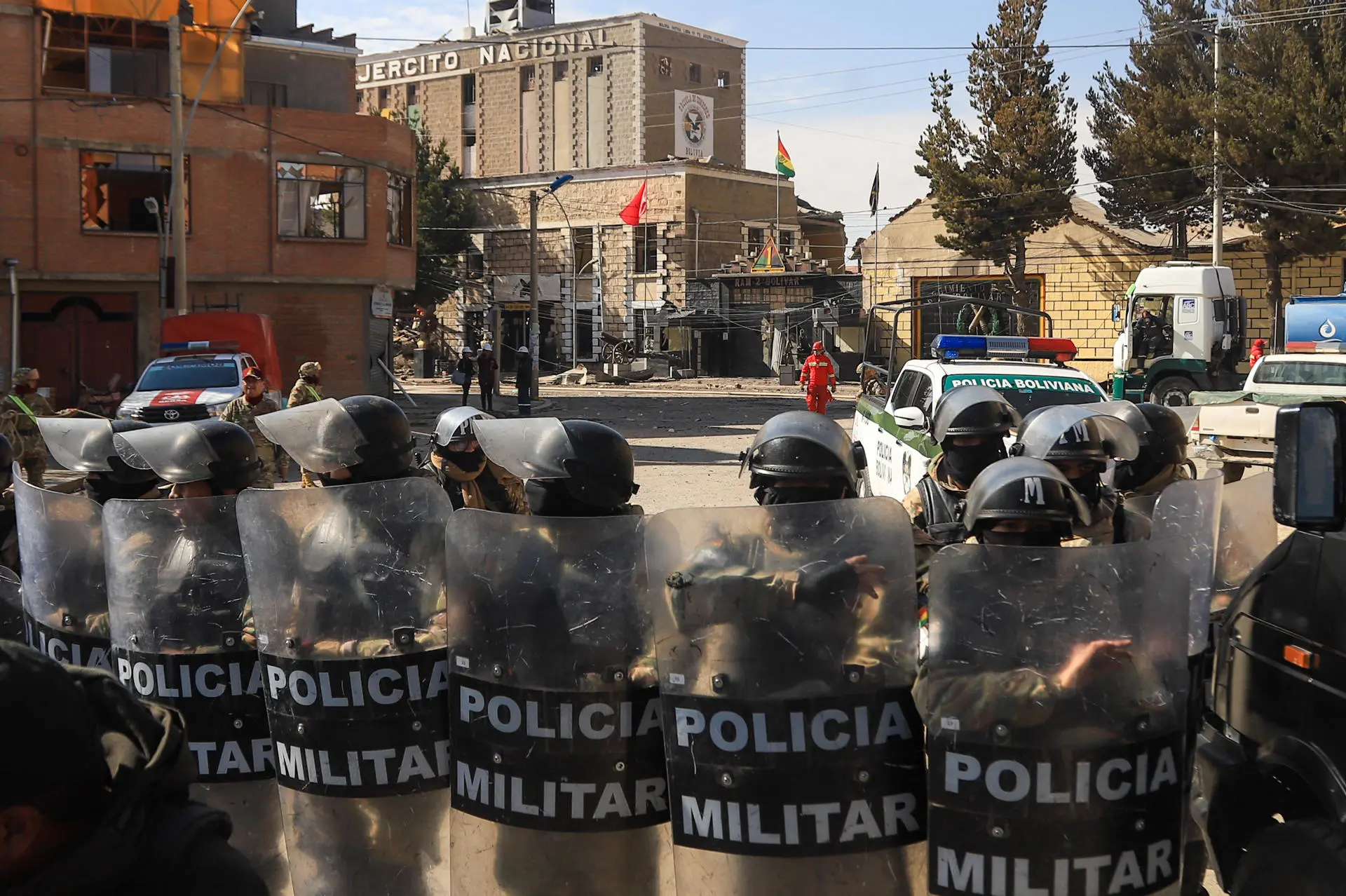
Regarding the latter Andean country, which has become one of the main routes for the export of coca to the world, Global Witness highlights that President Daniel Noboa has used the military to suppress social protest.
“Two Indigenous protesters were killed while demonstrating against fuel hikes and state crackdowns on Indigenous Peoples and environmentalists.”
In analyzing the current situation in Latin America, the UK-based NGO highlights that violence against environmental defenders “is exacerbated by the growing power of organized crime, which fosters a climate of corruption and impunity across the region.”
teleSUR/ JF
Source: Global Witness