







Colombia Allows Police To Enter Universities Amid Unrest
Colombian President Abelardo De La Espriella said police may enter universities during violent or extraordinary disruptions and ordered a national protocol to regulate such interventions.
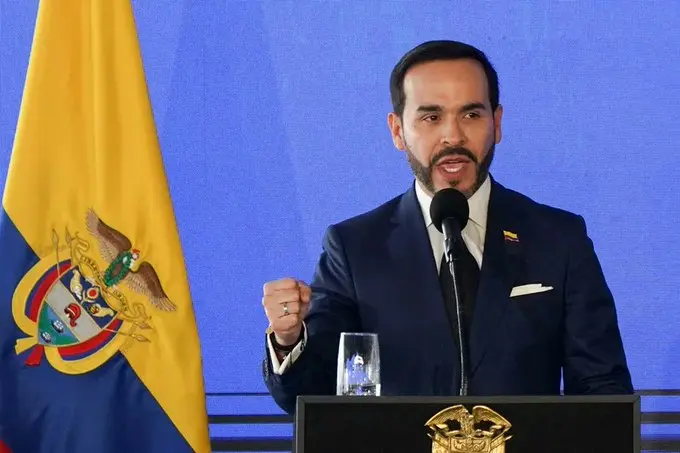
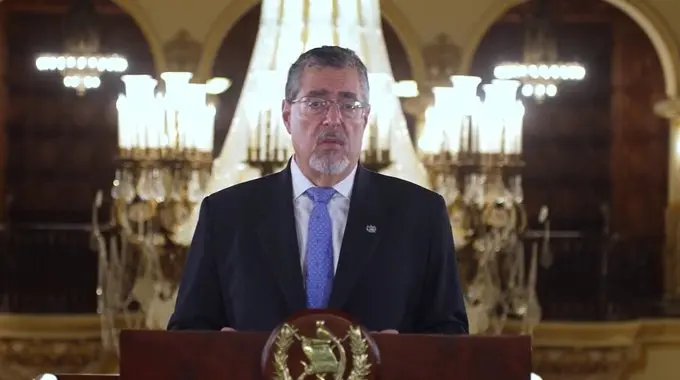
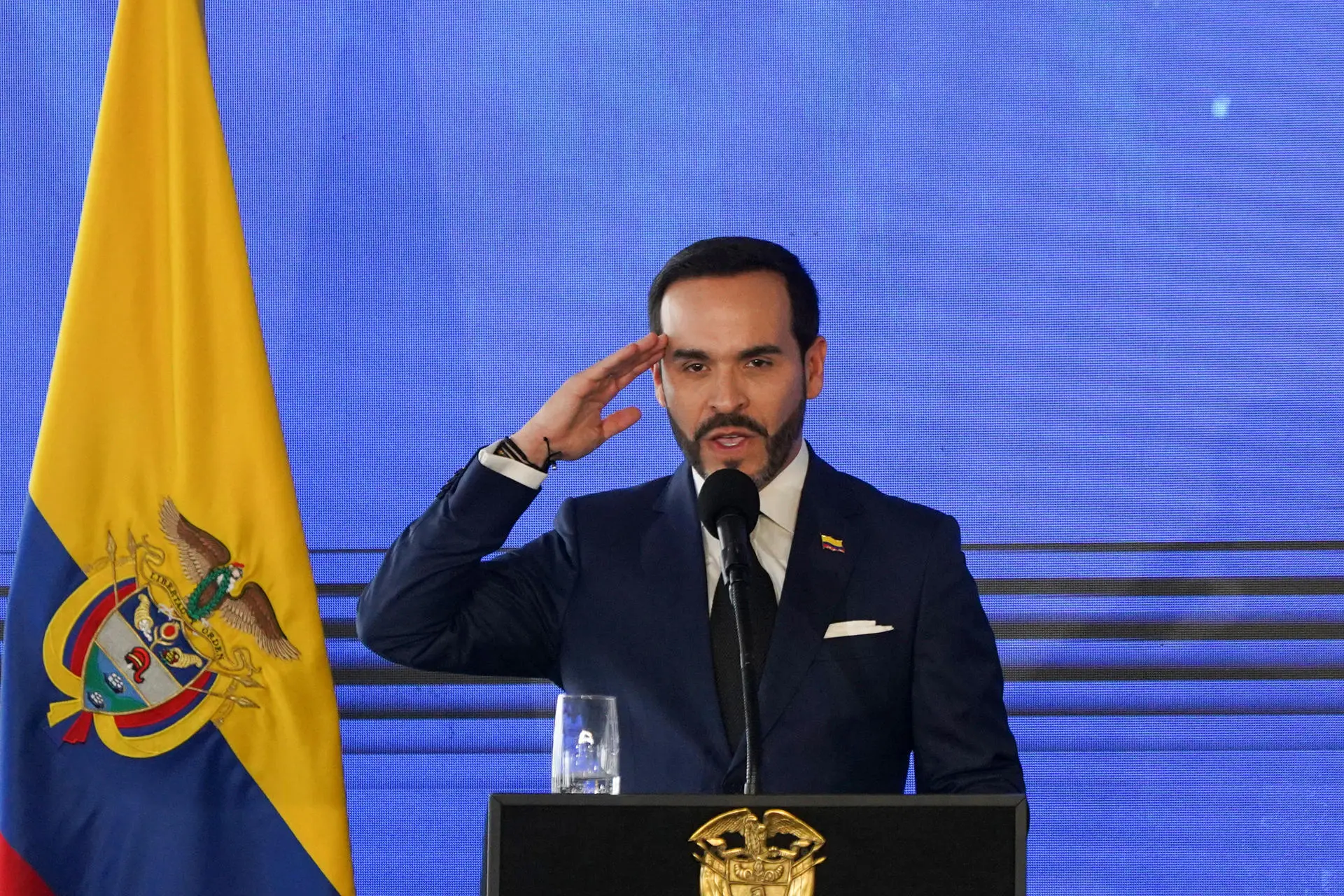
Colombian President Abelardo De La Espriella announced a national protocol for police intervention on university campuses. Photo: EFE
September 14, 2026 Hour: 6:43 am
🔗 Comparte este artículo
President Abelardo De La Espriella orders a national protocol to determine when police can intervene on university campuses.
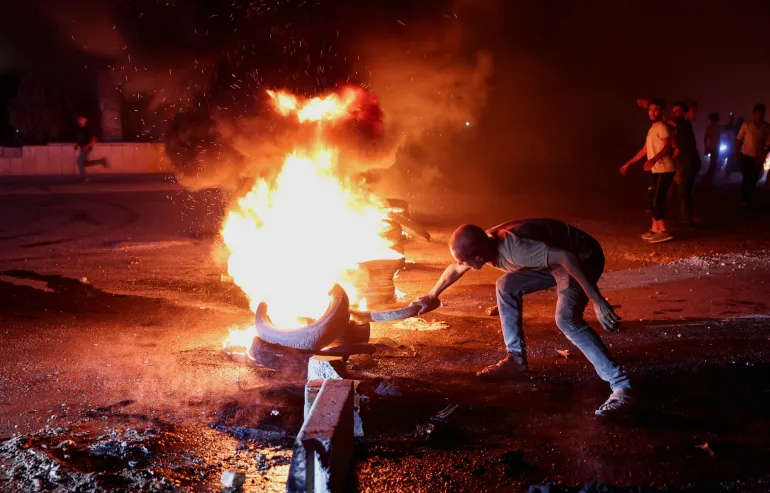
Colombian President Abelardo De La Espriella said Sunday that police will be allowed to enter universities when violence, vandalism, terrorism or extraordinary disruptions to public order occur, while pledging to protect peaceful protest.
RELATED: Colombian Judge Halts Government Aerial Spraying Plan In Putumayo
De La Espriella announced a national protocol to establish when authorities may intervene on public university campuses. The protocol will distinguish between constitutionally protected protests and situations involving violence, danger or extraordinary disruptions to public order.
The president said university autonomy would remain protected but does not exempt campuses from the Constitution, the law or the authority of the state.
“University autonomy is not above public order, nor does it mean autonomy in matters of public order or turn campuses into territories beyond the Constitution, the law or the legitimate authority of the state,” he said in an address broadcast on social media.
Text Reads: De La Espriella orders intervention by the Public Force in universities when acts of vandalism occur
The National Police will be the first operational authority responsible for responding to such situations, De La Espriella said. Officers will be able to intervene when violent or terrorist acts are being prepared on university grounds and, if necessary, enter campuses to remove people involved in violent incidents.
The government said peaceful demonstrations conducted within the constitutional and legal framework would continue to be respected and guaranteed. De La Espriella, however, said urban terrorism, vandalism, the destruction of infrastructure and attacks against security forces or civilians could not be considered forms of protest.
“I will not allow public universities to continue being sanctuaries of violence under any circumstances,” De La Espriella said.
The president said the measure was intended to protect students who want to study, debate and demonstrate peacefully. He also warned that authorities would pursue people who use university campuses to prepare attacks, store materials intended for violence or assault civilians and members of the security forces.
De La Espriella said universities should remain spaces for “knowledge, ideas and debate” rather than become refuges for violence or terrorism.
The announcement came as the president also presented a government security report, saying 24 leaders of the country’s main criminal organizations had been affected by security operations. According to De La Espriella, 19 had been captured and five had been killed in combat. Those listed included alias Tigre of the Carolina Ramírez Front, alias Ruso or Alemán of Front 28, alias Bonito of the Comandos de Frontera and alias Bendito Menor of the Autodefensas Conquistadoras de la Sierra Nevada.
De La Espriella also defended the so-called Barranquilla agreements reached during U.S. Secretary of State Marco Rubio’s visit. He said the agreements would help recover Colombia’s economy and strengthen the hemisphere. Colombia, he added, would contribute projects, territory, productive capacity and clear rules while seeking to mobilize investment, financing, technology and business capacity.
On corruption, the president said investigations, convictions and the recovery of stolen public funds were necessary to end what he described as a culture of corruption. He also called for an end to the perception that imprisonment in Colombia depends on a person’s surname or position.