







Iran Sends New Proposal to U.S. Via Pakistan for Hormuz Reopening
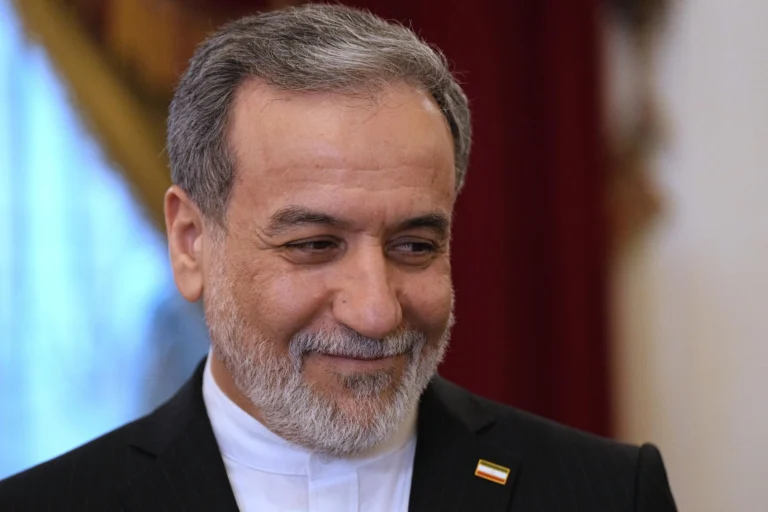
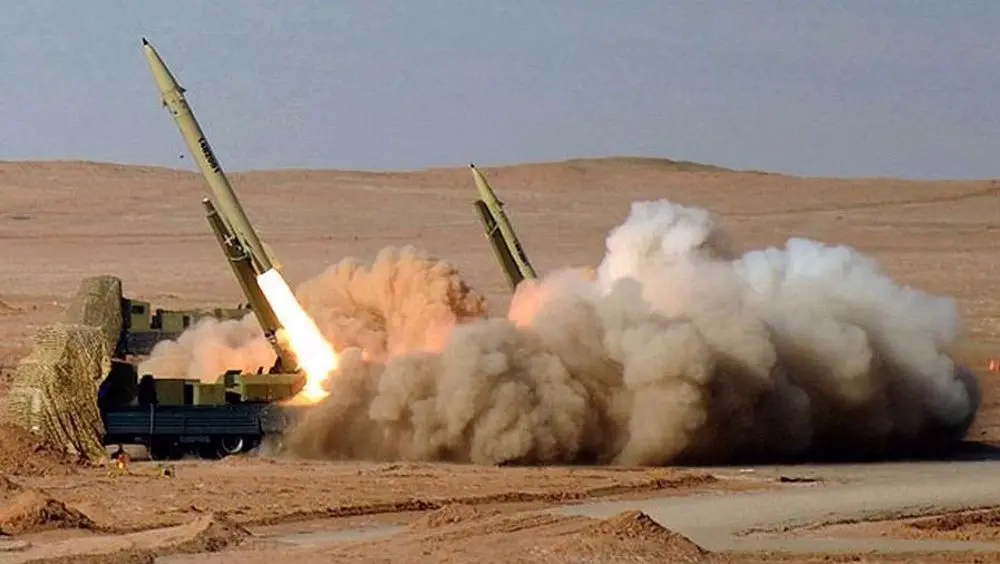
Photo: EFE.
April 27, 2026 Hour: 7:33 pm
🔗 Comparte este artículo
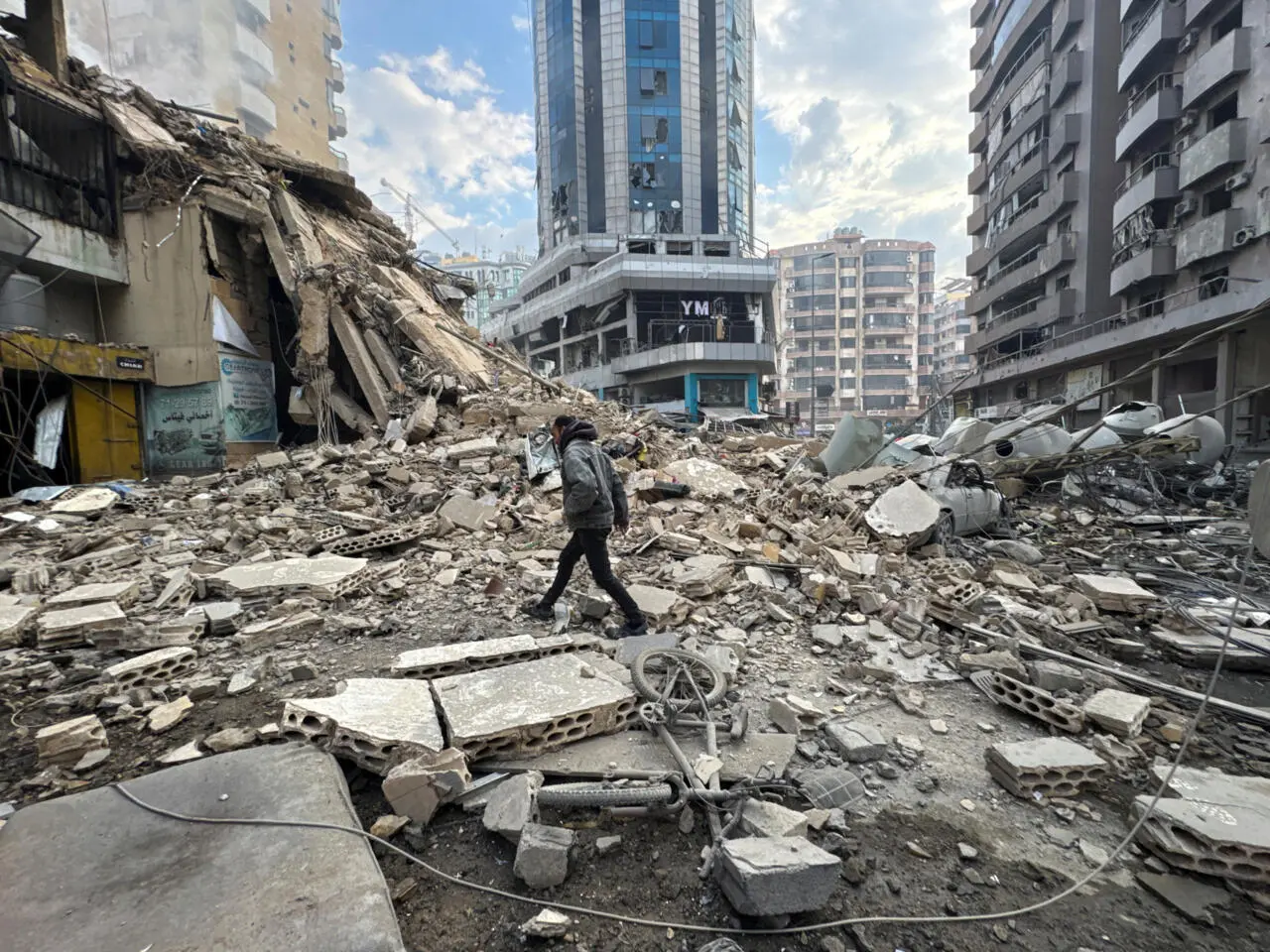
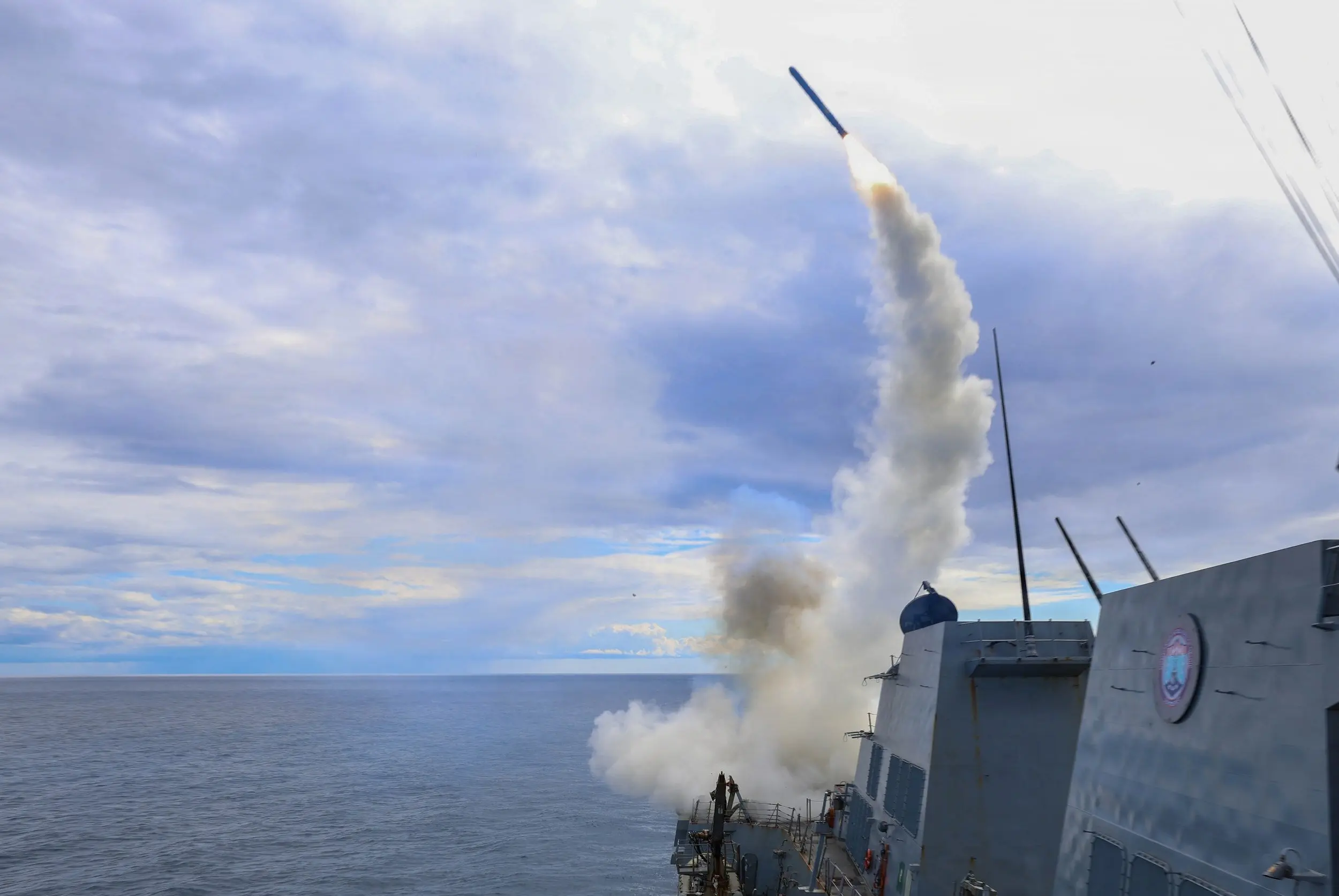
Iran today offered to reopen the Strait of Hormuz if the U.S. lifts its blockade on the country and ends the war in a proposal that would postpone discussions on the Islamic Republic’s nuclear program.
The Government of Iran submitted on April 27 a new proposal to the United States through Pakistani intermediaries, aiming to extend the ceasefire or end the ongoing war and lift the U.S. blockade of the Strait of Hormuz, deferring nuclear program discussions to a subsequent phase.
This diplomatic initiative seeks to overcome a significant stalemate in recent talks and prioritize regional stability.
RELATED: Putin and Iranian FM Araghchi Discuss International Issues
The Iranian Government conveyed its latest proposal to the United States via Pakistani intermediaries, outlining a strategic approach to de-escalate tensions and unblock critical waterways.
The core of this new initiative centers on extending a ceasefire or definitively ending the current conflict, coupled with the crucial demand for the United States to lift its blockade on the Strait of Hormuz.
Significantly, the proposal presented by the Iranian Foreign Minister Abbas Araghchi during consecutive visits to Islamabad suggests that discussions concerning Iranian nuclear program should be reserved for a later, more conducive phase, separating it from immediate security and economic concerns.
There, he briefed mediators from Pakistan, Egypt, Türkiye and Qatar, revealing that the Iranian leadership currently lacks internal consensus on how to respond to Washington’s specific nuclear demands.
The proposal’s central focus on reopening the Strait of Hormuz highlights the strategic importance of this waterway for the country and the region. Approximately 20% of the world’s seaborne oil trade transits through this vital chokepoint, making its unhindered access critical for global energy markets and international commerce.
Under Iranian proposed plan, nuclear negotiations would only commence after the blockade imposed by the United States is completely lifted. This initiative is explicitly designed to break the deadlock observed in prior dialogues held in Islamabad, aiming to create an environment of trust and mutual benefit before tackling the more complex and politically charged nuclear dossier.
The prioritization of the Strait of Hormuz underscores Iran’s commitment to economic and regional stability as a prerequisite for broader diplomatic engagement.
Consultations Reinforce Stance
In a parallel development, Abbas Araghchi emphasized on Monday, during his visit to St. Petersburg, that Iran must unequivocally safeguard its national interests in any forthcoming negotiations with the United States.
Speaking to Iranian state television, the Head of Persian diplomacy stressed “the necessity of guaranteeing the rights of the Iranian people and protecting the country’s interests in any negotiating process.” This statement reinforces Tehran’s firm stance that any diplomatic resolution must respect its sovereign rights and secure tangible benefits for its population.
Araghchi further indicated that his discussions in Russia are aimed at intensifying consultations with Moscow on a range of regional and international issues, in addition to strengthening bilateral relations between the two countries.
“We examined the latest developments related to the war and evaluated the current situation”, he highlited.
This engagement with Russia demonstrates Iranian active diplomatic outreach and its strategy of building alliances to bolster its position on the international stage. Regarding his previous visit to Islamabad, the Foreign Minister described the consultations with Pakistani authorities as fruitful, noting they focused on “recent developments and the necessary conditions to reactivate dialogue between Tehran and Washington”, signaling ongoing efforts to find common ground for engagement.
3 Key Points Proposed
According to reports from local media, Tehran has indeed proposed a detailed three-stage framework to the United States.
The first stage involves ending hostilities and establishing legally binding guarantees against any new attacks on Iran and Lebanon, addressing fundamental security concerns. The second stage calls for the establishment of a new legal regime for the management of the Strait of Hormuz, to be coordinated closely with Oman, ensuring fair and equitable access for all. Only in the third stage would the sensitive and protracted nuclear question be addressed, a clear indication of Iran’s strategy to build confidence and establish a stable regional environment before delving into the most contentious issue.
Iran has consistently maintained its demands for comprehensive non-aggression guarantees from the United States, the complete lifting of all sanctions, full control over the Strait of Hormuz and the recognition of its inherent right to nuclear enrichment, while vehemently dismissing accusations that it seeks to acquire a nuclear weapon.
Author: Laura V. Mor
Source: Agencies