


Iran criticizes Zelensky for “double standards” and corruption after Davos Forum speech
The verbal confrontation escalated after Zelensky’s speech at the Davos Forum, where he made statements about the internal situation in Iran.
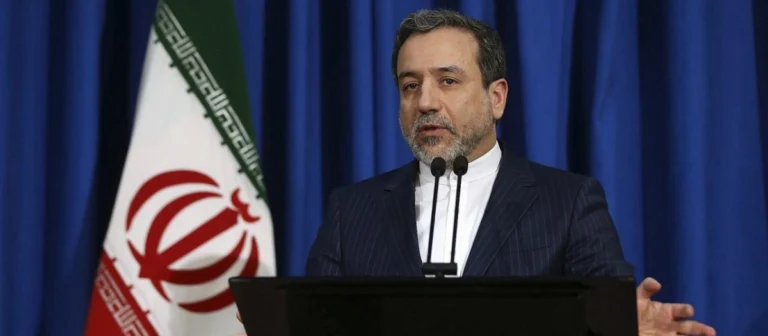
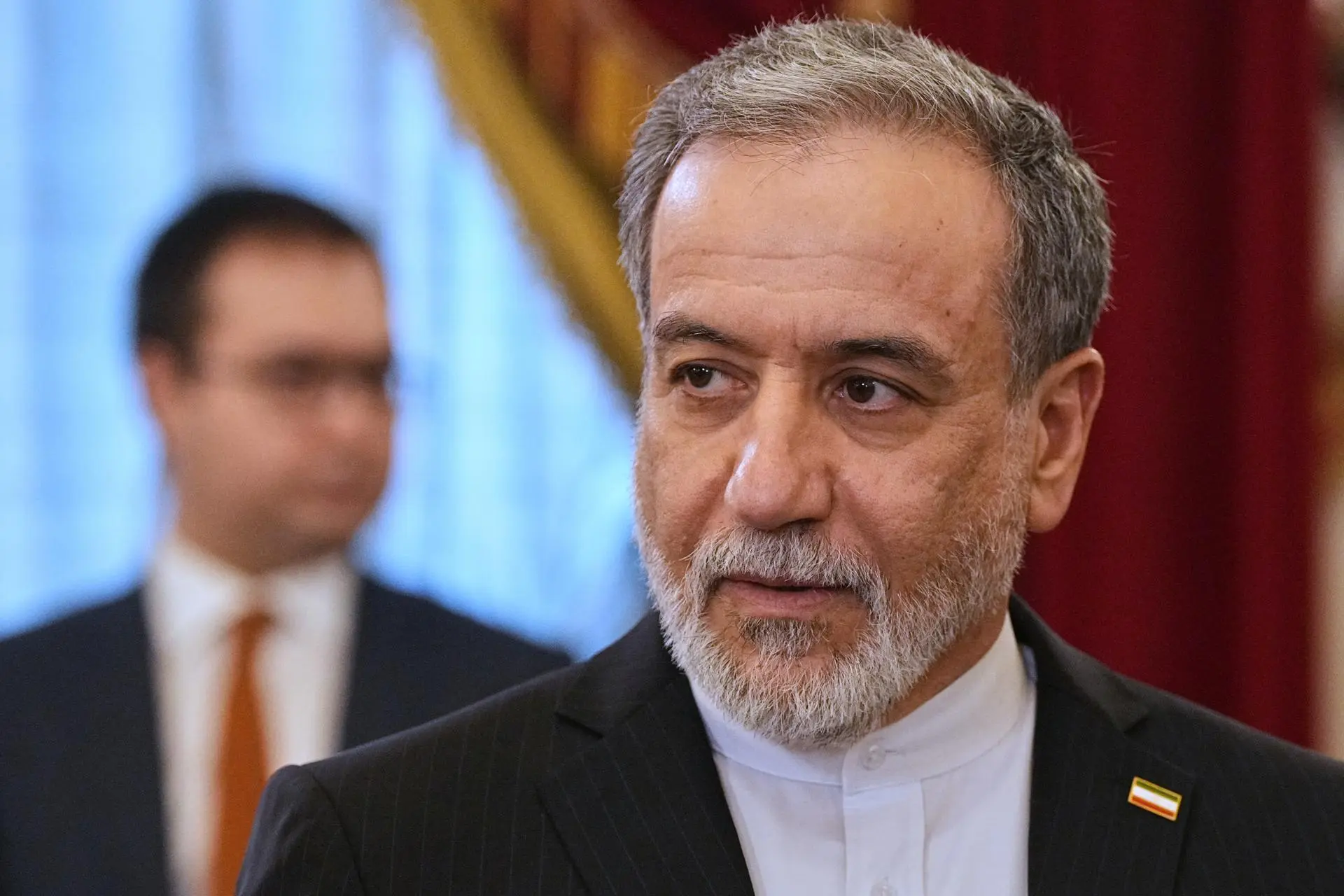
The Iranian foreign minister accused Zelensky of “emptying the pockets of American and European taxpayers” to favor corrupt military figures amid the ongoing conflict with Russia. Photo: EFE.
January 23, 2026 Hour: 8:15 pm
🔗 Comparte este artículo
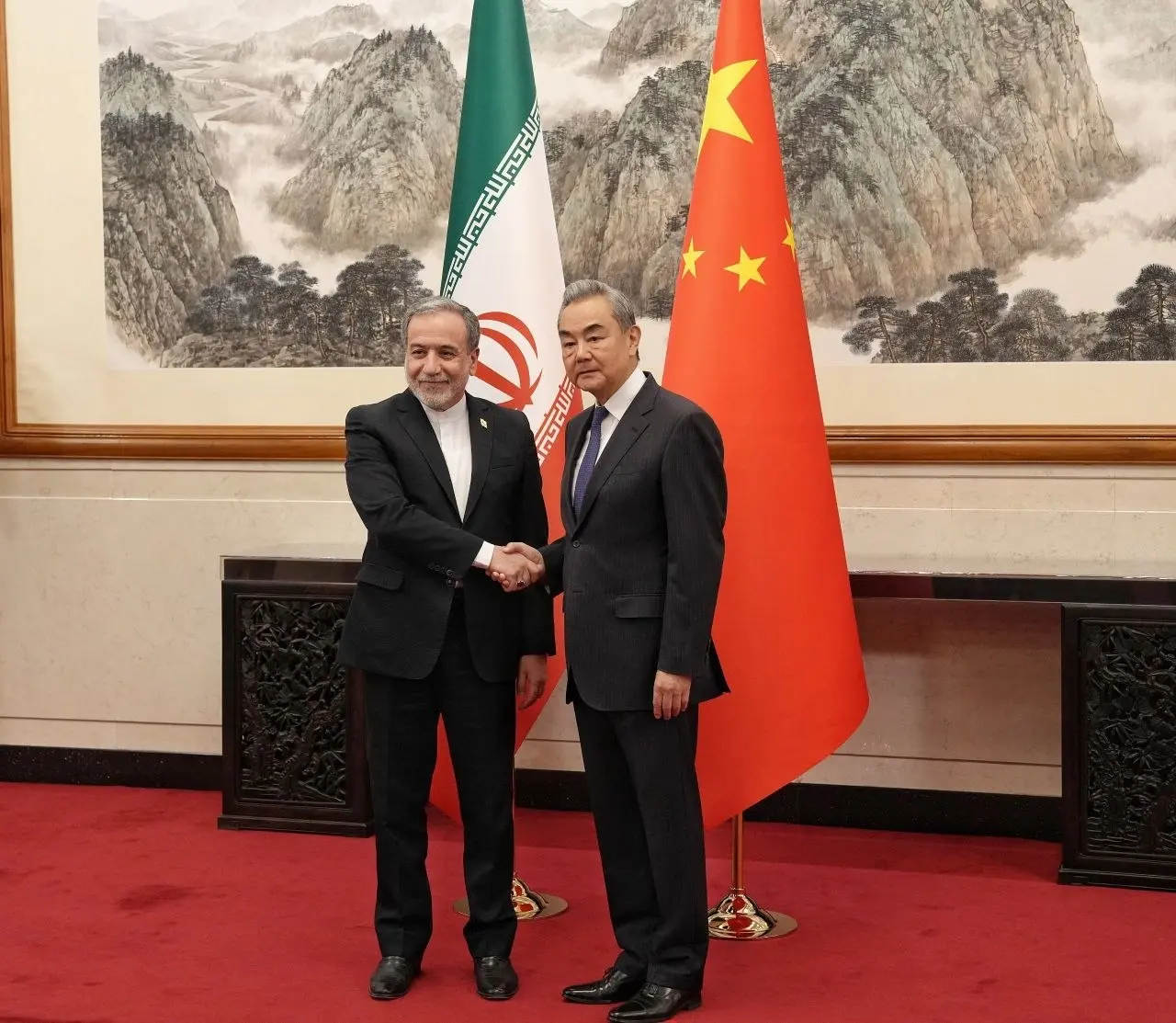
Iranian Foreign Minister Abbas Araghchi launched a scathing attack against Ukrainian President Volodymyr Zelensky, calling him a “confused clown” for applying double standards to international law.
Araghchi denounced the Ukrainian president’s hypocrisy in calling the war on his territory illegal under the UN Charter, while simultaneously advocating for a US military aggression against Iran, an action that lacks any legal basis.
RELATED:
Ukraine, Russia and U.S. Hold First Trilateral Talks in Abu Dhabi
The Iranian foreign minister accused Zelensky of “emptying the pockets of American and European taxpayers” to favor corrupt military figures amid the conflict with Russia. He emphasized that the Persian nation does not depend on foreign-backed forces or mercenaries, asserting that the country is fully capable of defending itself.
Likewise, the Iranian foreign minister dismissed Western accusations regarding the alleged provision of military aid to Russia, noting that Kyiv is unable to present conclusive documentary evidence to support such claims, which are systematically denied by Tehran.
These statements come amid growing hostility from the US administration of Donald Trump, which is exploiting tensions in the region to reinforce its policy of sanctions and threats of war. Iran maintains that the accusations from Ukraine and its Western allies are part of a propaganda strategy to justify foreign interference.
With this pronouncement, Tehran reaffirms its stance of self-determination in the face of what it considers a manipulation of the multilateral order by actors subservient to the interests of Washington and the European powers.
For his part, Russian President Vladimir Putin held a meeting of more than three hours in Moscow with White House Special Envoy Steve Witkoff and advisor Jared Kushner, which the Kremlin described as exclusively constructive, substantive, and frank.
The central objective of this meeting was for the Russian side to obtain direct information on the results of previous contacts between the Americans, Ukraine, and European partners at the Davos Forum. Presidential advisor Yuri Ushakov emphasized that the recent advances of Russian forces on the battlefield positively influenced the progress of the talks, stressing that Russia will maintain the objectives of its special military operation until a definitive political solution is achieved.
RELATED:
Ukrainian Drones Attack Putin’s Residence
The US delegation proposed a trilateral meeting on security in Abu Dhabi, with the expectation that such a meeting would open real prospects for ending the conflict through a lasting peace agreement. This rapprochement comes after a series of meetings in Switzerland, where Witkoff and Kushner met with Russian envoy Kirill Dmitriev and, subsequently, with a Ukrainian delegation headed by Rustem Umerov.
The White House seeks to consolidate a peace plan that will bring all parties to the negotiating table, although Moscow is emphatic that a long-term agreement will not be possible without a satisfactory resolution to the territorial situation.
Despite the optimistic tone of Donald Trump’s envoys, who described the previous talks as very positive, the Russian government insists that any roadmap must be adapted to the current reality on the ground and to the security of its nation. During the long day, which concluded in the early hours of Friday, parameters were established for future actions that will be reviewed as contacts with Kyiv progress.
Russia warned that it will continue to assess the willingness of international actors and the outcomes of global summits, making it clear that the success of the trilateral proposal in the United Arab Emirates will depend on the recognition of the conditions presented by the Kremlin to guarantee genuine regional stability without interference.
Author: HGV
Source: Agencias