


Hormuz Will Be Strait of Peace or Suffering, Iran Warns
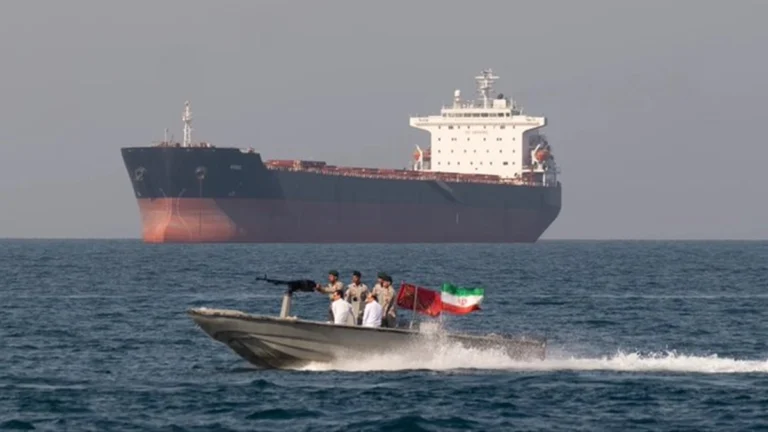
An Iranian military boat at the Strait of Hormuz. X/ @shanaka86
March 10, 2026 Hour: 11:40 am
🔗 Comparte este artículo
Producers cut output as the U.S.-Israeli war on the Persian nations raise fears over vital shipping lane.
On Tuesday, Iran’s Supreme National Security Council secretary, Ali Larijani, said the Strait of Hormuz “will be a strait of peace and prosperity for everyone, or one of defeat and suffering for warmongers.”
RELATED:
Lavrov and Araghchi Analyze the Middle East Situation
The warning came after U.S. President Donald Trump again threatened disproportionate retaliation against the Persian nation.
“If Iran does anything that stops the flow of oil in the Strait of Hormuz, it will be hit by the United States TWENTY TIMES HARDER than it has been so far,” he said on his Truth Social account.
Hours earlier, Iran’s Revolutionary Guard had already responded to Trump, saying that if the U.S. and Israel continue their attacks against Iranian population centers and infrastructure, “they will not allow the export of a single liter of oil from the region to the hostile side and its partners until further notice.”
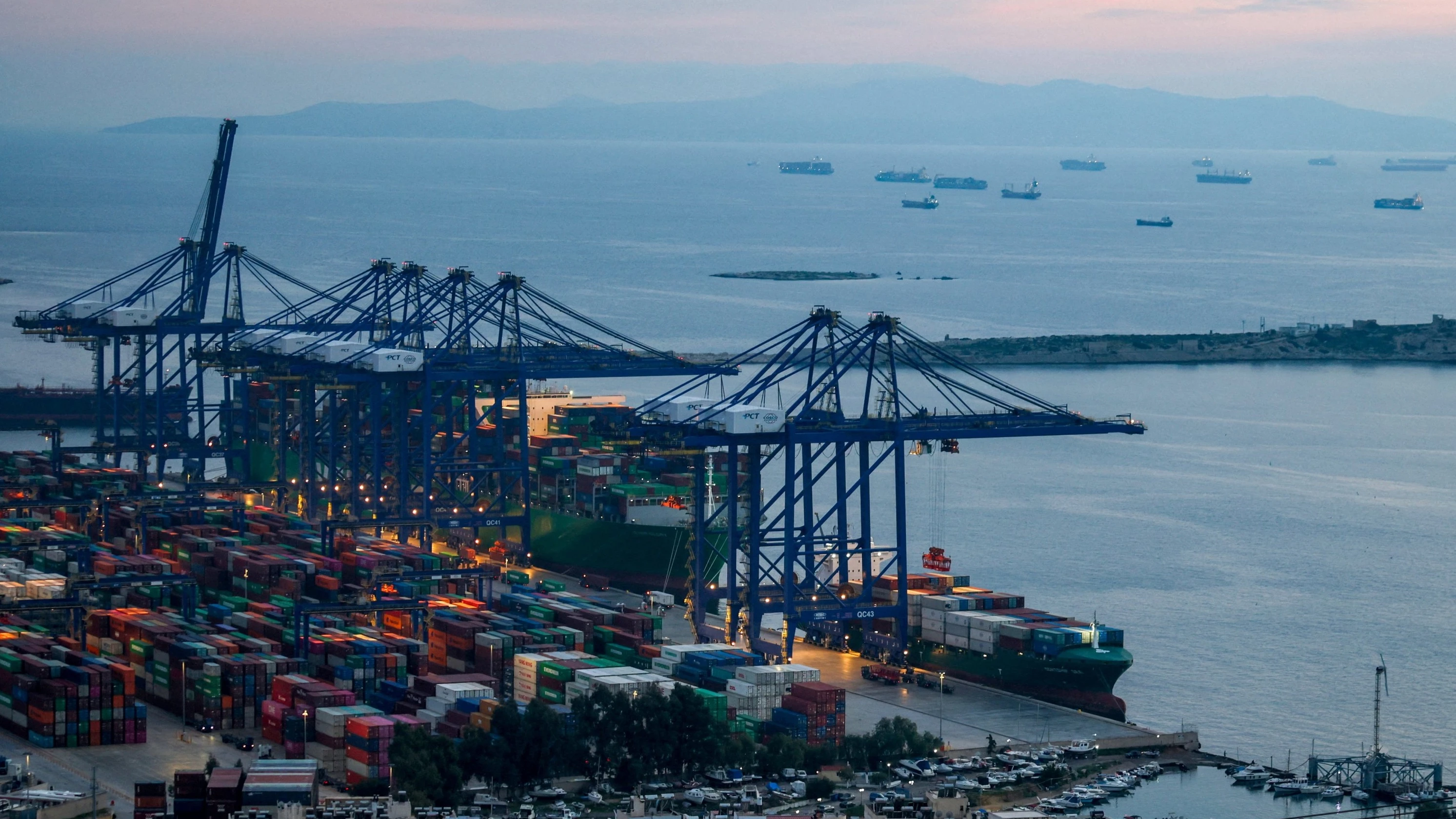
The Strait of Hormuz accounts for one-fifth of global seaborne oil traffic and is also a key route for the transport of natural gas, fertilizers and other critical minerals.
Currently, it remains virtually closed to traffic after attacks on ships left seven sailors dead, according to figures from the International Maritime Organization.
All of this has contributed to pushing oil prices to levels not seen since 2022. On Monday, Brent crude, the European benchmark, came close to US$120 a barrel. However, later comments by Trump that he was considering a near-term end to the war had a calming effect, and by late morning prices were trading below US$93.
Saudi state oil company Aramco has begun cutting production at two of its fields as a result of the closure of the Strait of Hormuz. Considered the world’s largest energy company, Aramco is already diverting part of its crude shipments to the port of Yanbu on the Red Sea.
“By far, this is the biggest crisis the region’s oil and gas industry has faced,” Aramco Director Amin Nasser said, stressing that a prolonged conflict would affect not only the oil market but the global economy itself.
This week, Bahrain and Qatar reduced their refining rates, the United Arab Emirates implemented cuts, and Kuwait announced a “preventive reduction” in extraction and processing.
The most drastic measure was adopted by Iraq, which ordered a complete halt to production at the Rumaila field, one of the world’s largest oil fields.
teleSUR/JF
Sources: EFE – INRA