







Historic Pact Redefines Contemporary Colombian Democracy
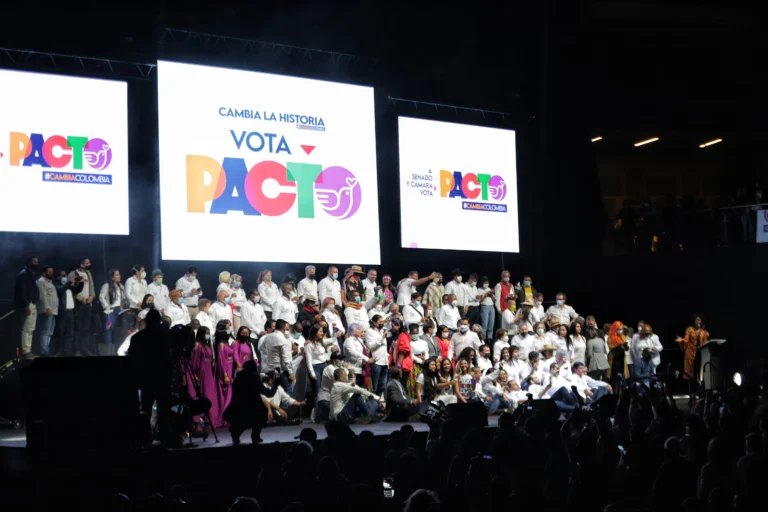
Pacto Histórico coalition. Photo: W Radio.
June 24, 2026 Hour: 1:54 pm
🔗 Comparte este artículo
It moved the political axis away from elite consensus toward structural demands from the working class.
For two centuries, a small circle of traditional political elites governed Colombia. This status quo positioned the nation as one of the most conservative, right-wing strongholds in the region.
RELATED:
Colombia Runoff Leaves Electoral Uncertainty After Narrow Result
Then came 2022, and the exception became the rule. The Historic Pact (Pacto Histórico), an unlikely alliance of former guerrillas, feminist activists, and ethnic leaders, swept into power on a wave of street fury.
But this was not just a change of administration. It was a reckoning. For the first time, the voices of the excluded, the rural poor, the displaced, the young, found a seat at the table, and Colombia’s political order will never be the same.
From the Ashes of Conflict to the Social Uprisings of the Social Outburst
The Pacto Histórico emerged after the 2016 Peace Accords dismantled the traditional narrative that equated left-wing activism with guerrilla insurgency, opening democratic space for social grievances.
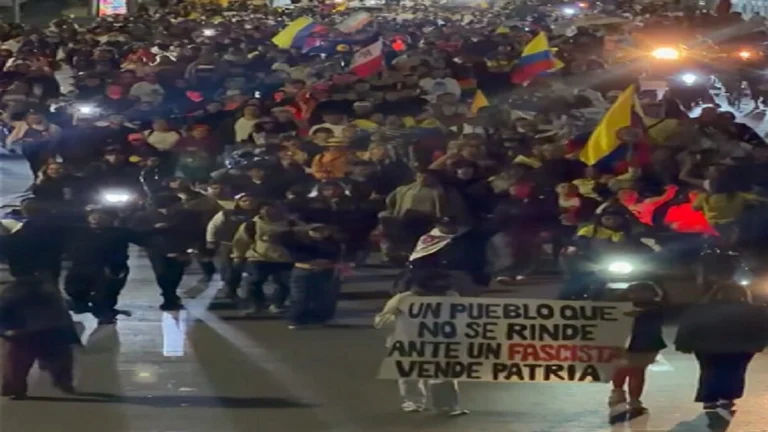
The immediate catalyst for Pacto Histórico was the Social Outburst, a massive wave of national protests that shook Colombia between 2019 and 2021. Sparked initially by a controversial tax reform proposed by the right-wing administration of Iván Duque, the protests quickly evolved into a broader rebellion against deep socio-economic inequality.
The widespread anger from these street protests provided the raw social momentum that progressive leaders needed. In February 2021, a diverse group of political leaders officially launched Pacto Histórico to channel the energy of the streets into a structured electoral platform.
By connecting urban youth movements with historically excluded Afro-descendant and indigenous populations, the coalition built an electoral base capable of defeating traditional political machinery at the ballot box.
The Architecture of the Pact
The organizational structure of Pacto Histórico relies on a broad network of distinct political parties, grassroots social movements, and historically excluded sectors. Rather than operating as a single ideologically uniform entity, the coalition launched as a political platform composed of multiple movements.
Among the foundational members were traditional left-wing institutions. These forces combined with newer, identity-focused organizations, including the Indigenous authorities and the Afro-descendant collective.
This diverse composition enabled the coalition to secure historical legislative power in the March 2022 congressional elections, gaining 20 seats in the Senate and 31 seats in the House of Representatives.
However, this diversity also generated significant internal friction. Continuous strategic debates regarding the coalition’s transition from an electoral alliance toward a single, unified political party. This merger is viewed by party leadership as an administrative necessity to survive upcoming local and national electoral cycles under Colombian electoral law, which penalizes fragmented coalitions.
Furthermore, an internal paradox surfaced regarding political pragmatism. To build a governing majority in both Congress and regional entities, Pacto Histórico integrated traditional centrist politicians and traditional political brokers, a practice locally known as gamonalismo.
Traditional left-wing bases heavily criticized these alliances, arguing that welcoming establishment operators compromised the coalition’s anti-corruption promises. Conversely, pragmatic factions within the party maintained that negotiating with traditional sectors was the only realistic method to pass structural reforms in a highly divided legislative environment.
Leadership Profiles: Reimagining Power and Representation
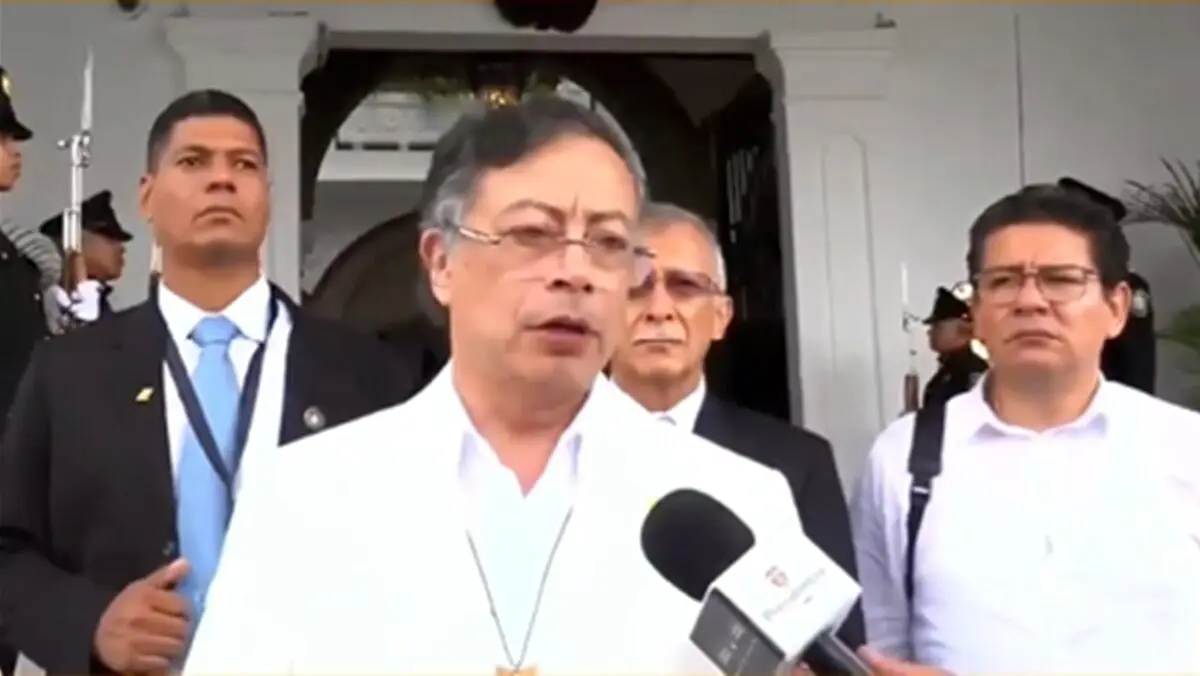
The public identity and political direction of Pacto Histórico are defined by a select group of prominent figures who represent different sectors of the progressive movement. Gustavo Petro serves as the main architect and central figure of the project.
A former member of the M-19 guerrilla movement who demobilized following the 1990 peace agreements, Petro built a long parliamentary career as an anti-corruption senator before serving as Mayor of Bogotá. His speeches focused on structural agrarian reform, climate change mitigation, a transition away from fossil fuels, and what he designates as the “politics of life.”
Francia Márquez represents a distinct paradigm shift in Colombian leadership, anchoring the coalition’s base in structural intersectionality. An environmental activist from the rural municipality of Suárez, Cauca, Márquez survived assassination attempts and won the prestigious Goldman Environmental Prize in 2018 for her mobilization against illegal gold mining. Márquez brought the demands of rural Afro-descendant and indigenous women directly into institutional spaces that traditional elites historically dominated.
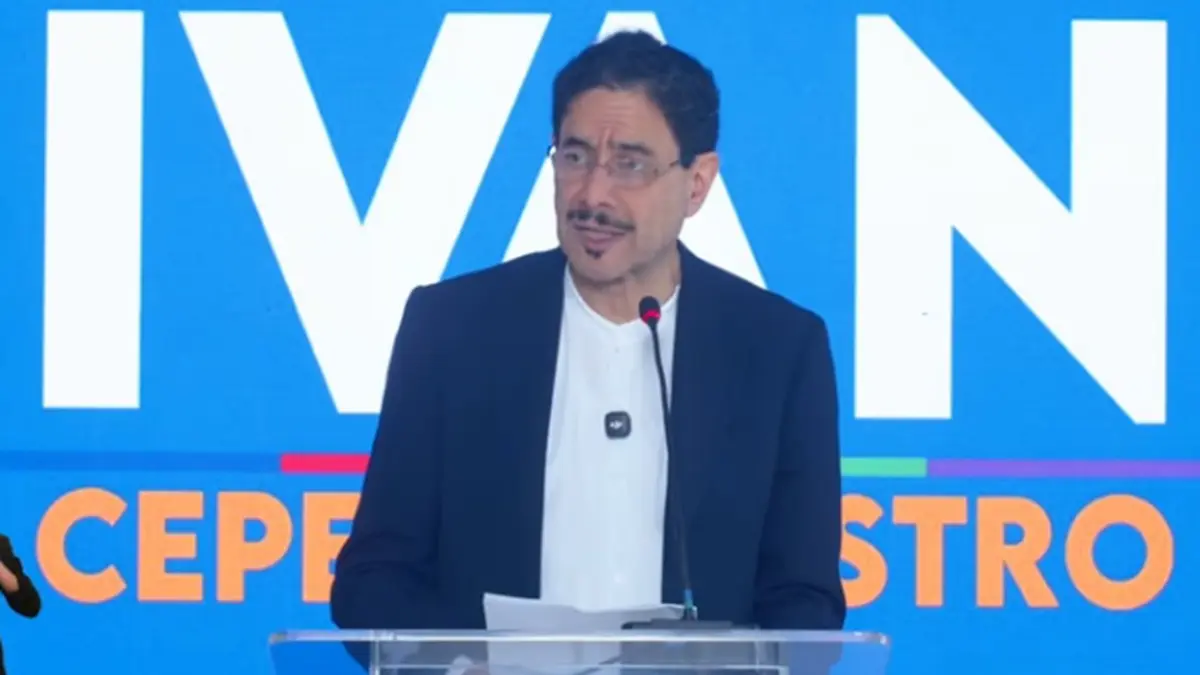
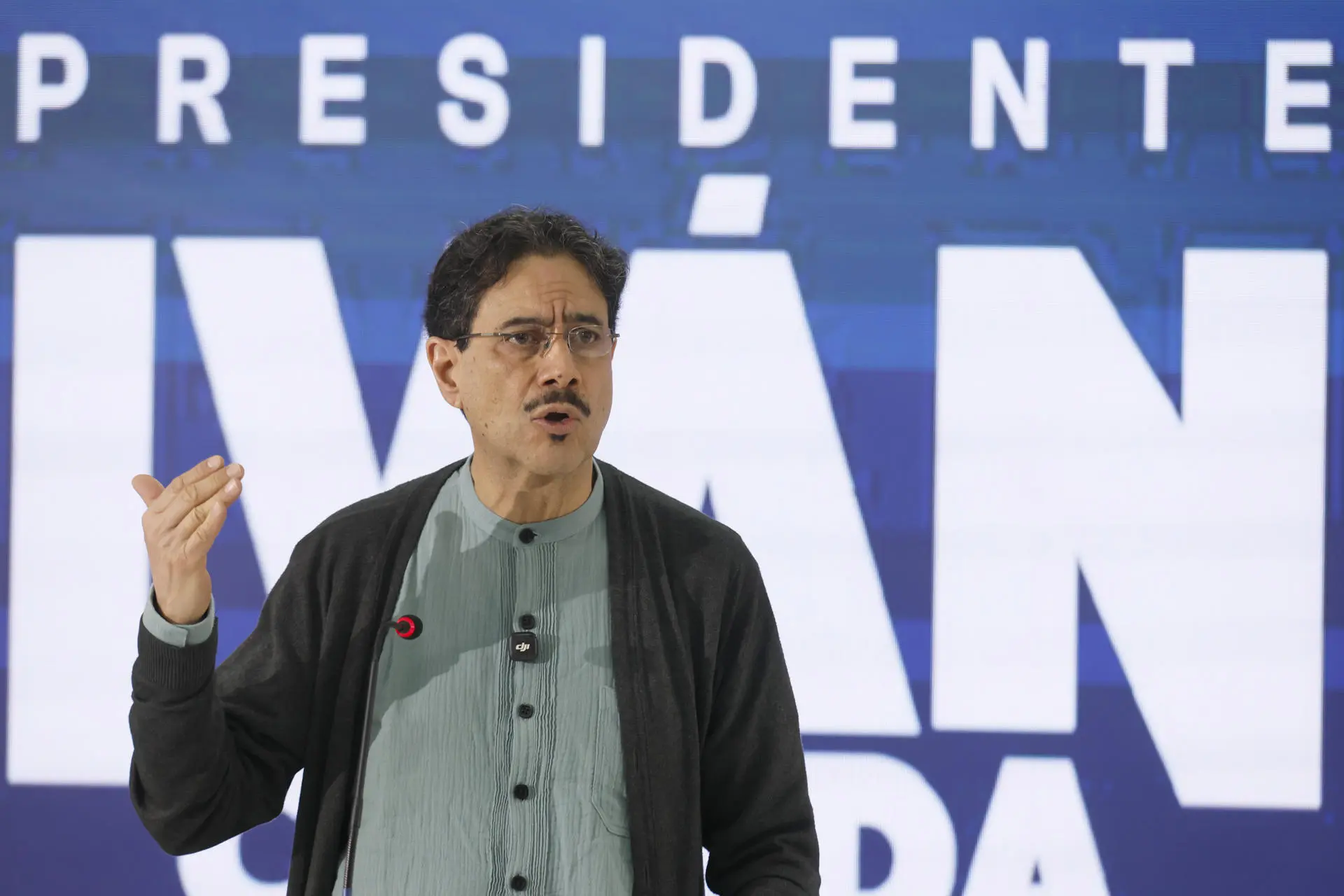
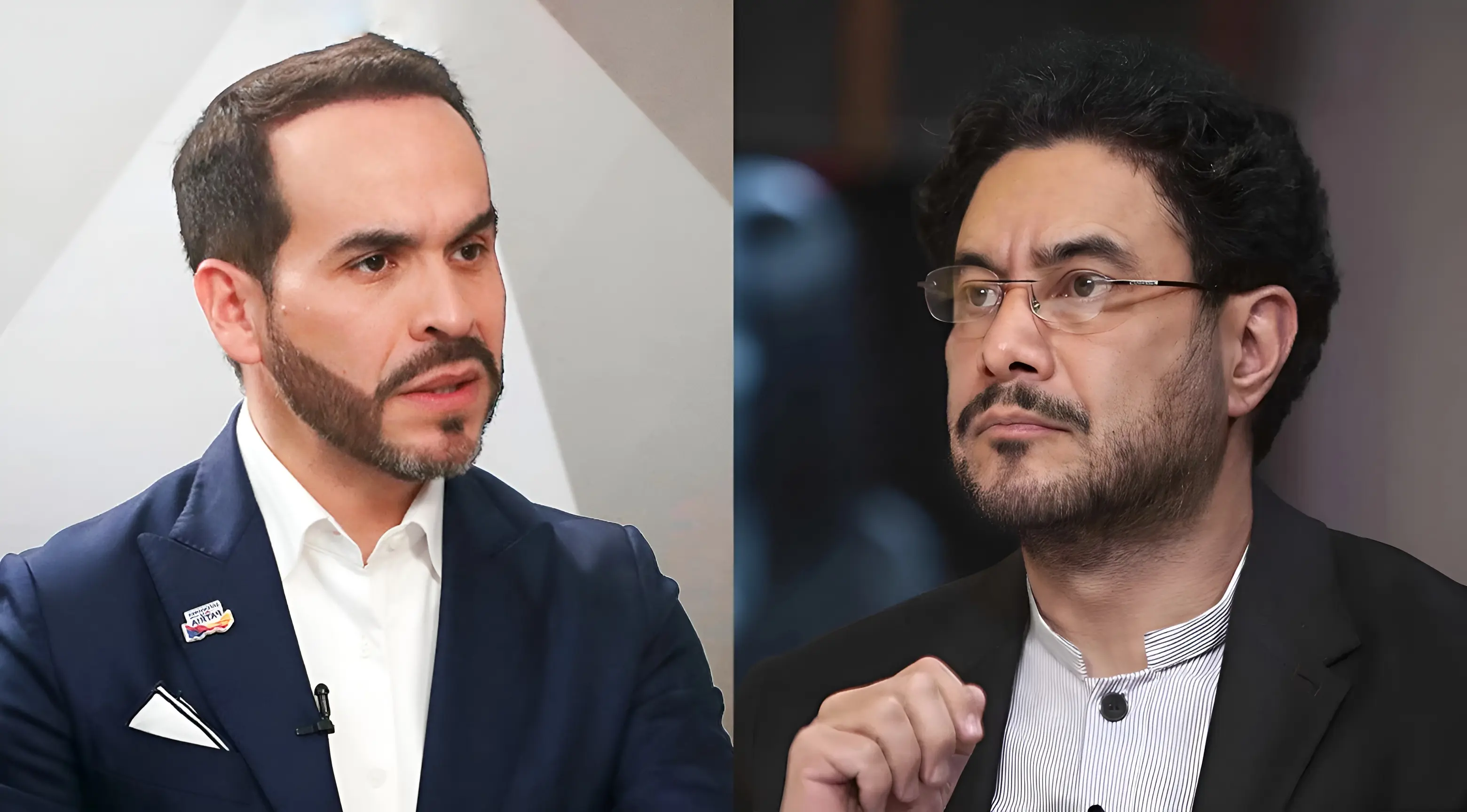
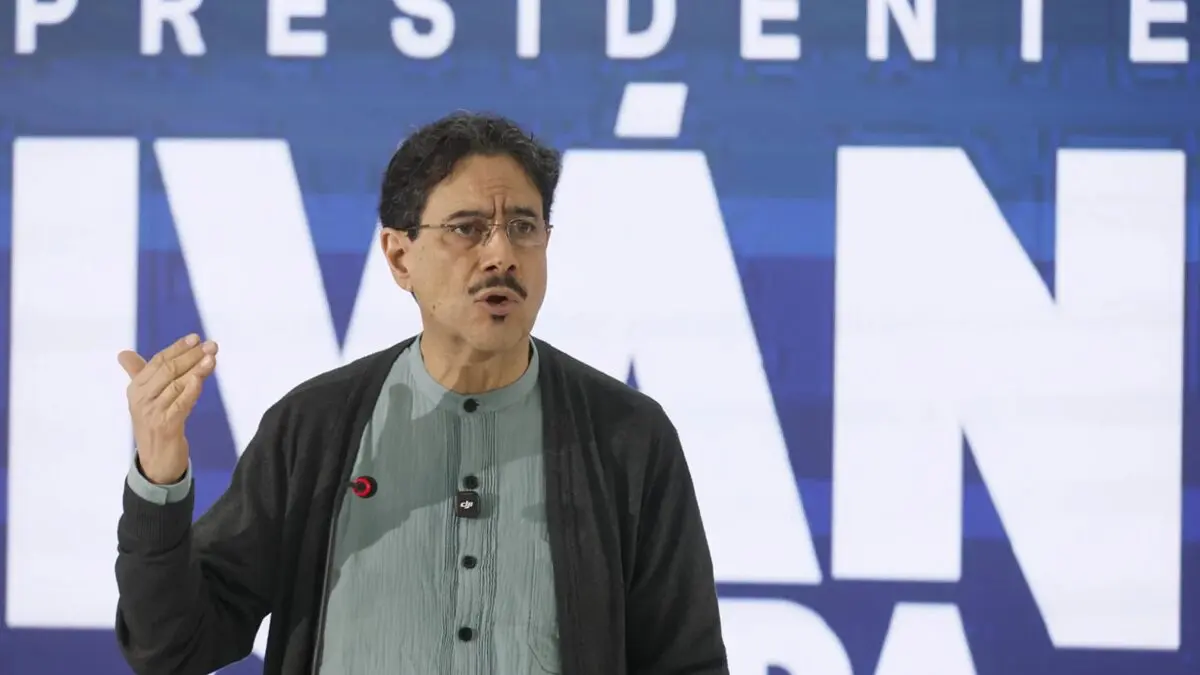
Beyond the executive branch, specific legislative figures provide the tactical and symbolic leadership required to sustain the coalition. Senator Iván Cepeda, a human rights defender, acts as a primary negotiator for peace initiatives and has spent decades documenting ties between state actors and paramilitary groups.
Alongside Cepeda, Representative María José Pizarro represents an intergenerational bridge for the progressive left. As the daughter of Carlos Pizarro, the assassinated commander of the M-19 who signed the 1990 peace treaty, her prominence symbolizes the long, violent transition of alternative movements from armed insurgency into democratic governance.
Confronting Decades of Violence and Right-Wing Dominance
The primary governance challenge for Pacto Histórico is its explicit goal to dismantle the institutional structures built over decades of right-wing administration. Historically, Colombian governance relied heavily on land concentration and an economic model focused primarily on resource extraction.
The coalition introduced an opposing framework aimed at a transition toward a productive, agricultural, and knowledge-based economy, a shift that Gustavo Petro frequently calls a transition to the “politics of life”.
This shift has met strong resistance from traditional economic sectors and consolidated media corporations, which argue that these sweeping reforms jeopardize national economic stability.
In terms of security and armed conflict, the administration prioritized its flagship policy of Total Peace. Pioneered in legislative debates by figures like Iván Cepeda, this policy seeks structured judicial negotiations with diverse non-state armed actors, including criminal cartels and active dissident guerrilla factions.
Implementing this policy remains incredibly difficult on a territorial level. In remote rural regions, ongoing violent disputes over cocaine production and illegal mining continue to threaten vulnerable local populations, despite the national government’s persistent negotiation efforts.
The legislative front has been a major battleground for the party’s structural changes. The administration has struggled to advance comprehensive reforms to the health, labor, and pension systems through a highly resistant bicameral Congress.
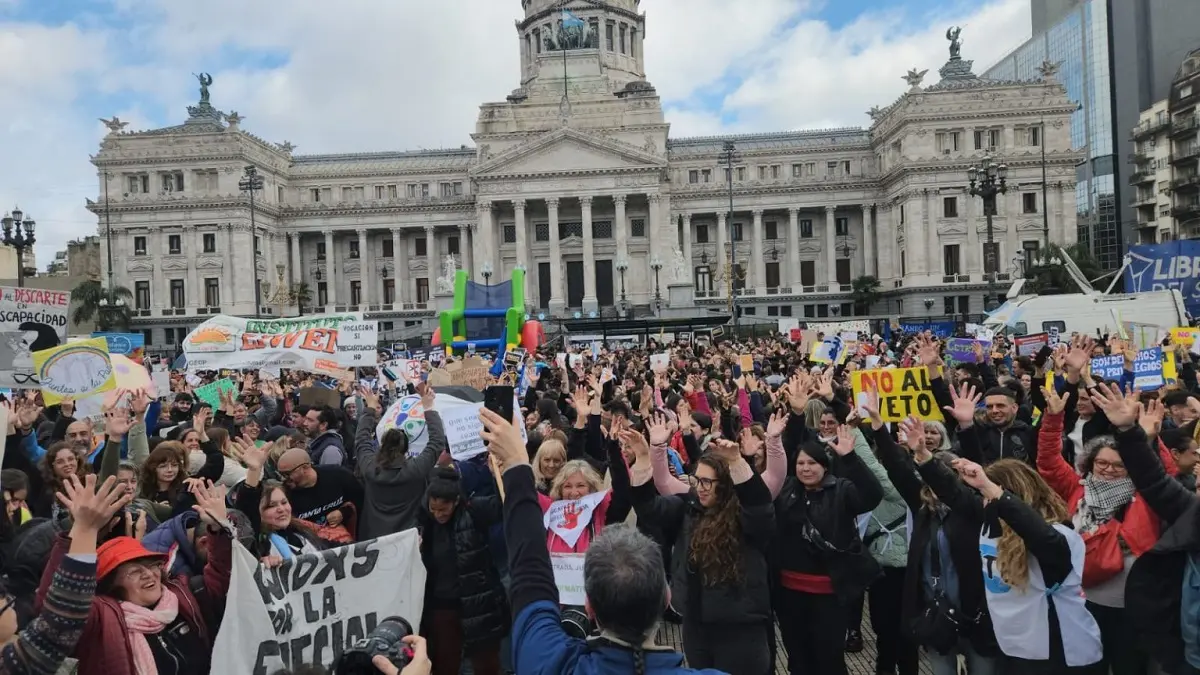
Traditional centrist and right-wing parties, including the opposition, have systematically used legislative maneuvers to delay or alter key bills. In response to this deadlock, the coalition mobilized its grassroots base to support these legal changes in the public square, presenting the reforms as necessary tools to fulfill the constitutional guarantees established in 1991.
The Future of Progressivism: Challenges and Continuity
The long-term survival of Pacto Histórico depends directly on its ability to turn its national rhetoric into effective local governance. In the 2026 legislative elections, the newly consolidated unified party showed unexpected electoral resilience.
The movement increased its presence in the Senate, rising from 20 to 25 seats, and consolidated its position as a major legislative bloc. This legislative expansion occurred despite heavy criticism from major domestic media channels and a deeply fragmented political landscape.
However, the political horizon reveals deep regional and national divides. Traditional political elites are reorganizing their strategies, frequently backed by international right-wing alignments and corporate interests that oppose the administration’s anti-neoliberal platform.
This opposition leverages persistent public anxieties regarding rural security and economic inflation to regain momentum ahead of major executive transitions. The ongoing debate inside Pacto Histórico focuses on balancing its original grassroots activist identity with the bureaucratic pragmatism required to manage state institutions effectively.
Ultimately, Pacto Histórico has permanently altered the boundaries of contemporary Colombian democracy. By successfully uniting historically fragmented social sectors, it proved that a left-wing platform could win executive power and challenge a long-standing political hegemony.
Sources: RTVC – Radio Nacional de Colombia – La Silla Vacía – Vorágine – Rutas del Conflicto – Volcánicas – Insight Crime – Centro Nacional de Memoria Histórica – El Tiempo – El Espectador
Author: Silvana Solano
Source: teleSUR