


Hamas Urges UN Action as Gaza Faces Manmade Famine; Ceasefire Proposal Awaits Israeli Response
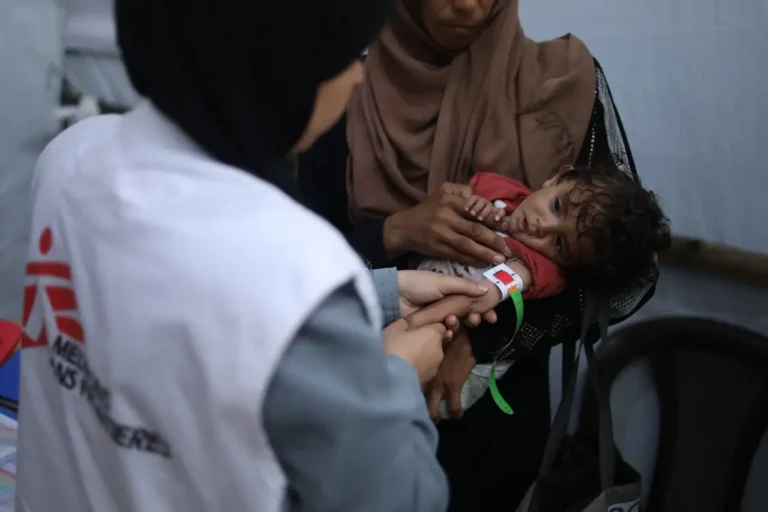
Photo: EFE
August 22, 2025 Hour: 2:54 pm
🔗 Comparte este artículo
The Palestinian resistance movement Hamas has called on the international community to exert immediate pressure on Israel to lift its humanitarian blockade on the Gaza Strip. Senior political bureau member Basem Naim urged the UN Security Council to take “urgent measures” to compel Israel to fulfill its obligations and allow the entry of life-saving aid.
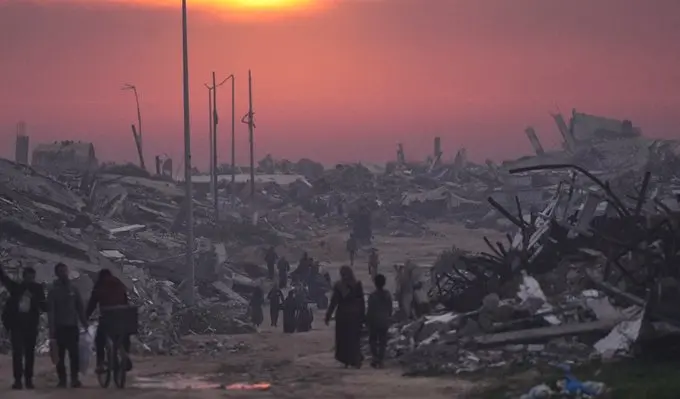
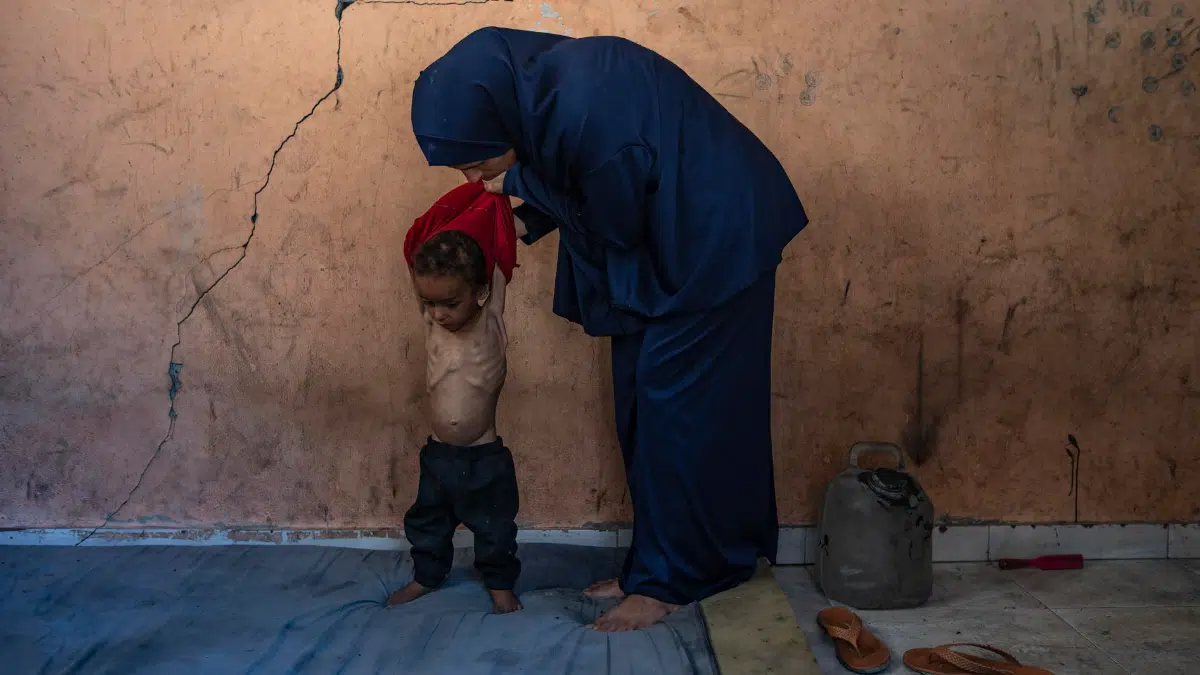
UN Secretary-General António Guterres described the situation in Gaza as a “manmade famine” and a “deliberate collapse of systems essential for human survival.” He placed direct responsibility on Israel, as the occupying power, to ensure access to food and medical supplies. Guterres demanded an immediate ceasefire, the release of hostages, and full humanitarian access, declaring that “excuses have run out.”
The World Health Organization’s Director-General, Tedros Adhanom Ghebreyesus, echoed the alarm, warning that widespread malnutrition is turning treatable illnesses into deadly threats for children. In response, Israel’s Coordinator of Government Activities in the Territories (COGAT) defended its record, claiming that over 10,000 aid trucks have entered Gaza since May. COGAT accused UN agencies of ignoring “verifiable data” on aid delivery and humanitarian projects.
Meanwhile, Hamas and allied Palestinian factions have accepted a ceasefire proposal brokered by Egypt and Qatar. The plan includes a 60-day suspension of military operations and the withdrawal of Israeli forces to positions 1,000 meters from Gaza’s northern and eastern borders. It also outlines a prisoner exchange: 140 Palestinians serving life sentences, 60 serving more than 15 years, and all detained women and children would be released in exchange for Israeli hostages.
The agreement further stipulates the exchange of 10 deceased Palestinian bodies for each deceased Israeli, and demands the immediate delivery of humanitarian aid—including fuel, water, and debris removal equipment—under the supervision of the UN and the Red Crescent. The Rafah crossing would be opened in both directions to facilitate movement and relief efforts.
Despite Hamas’s acceptance, Israel has yet to formally respond. According to CNN’s coverage, Israeli officials maintain that any agreement must include the full disarmament of Hamas and the release of all hostages. The proposal closely mirrors previous ceasefire frameworks, including the Witkoff plan, which Israel had previously endorsed before talks collapsed in July.
As Gaza’s humanitarian crisis deepens, the ceasefire proposal represents a fragile but urgent opportunity to halt the violence and address the catastrophic conditions facing over two million civilians. Whether Israel will engage remains uncertain, but pressure from mediators and global institutions is mounting.
Author: OSG
Source: WAFA