


Five Years After Sacaba and Senkata massacres, Criticism Rises Over Áñez-Era Figures in Bolivia’s New Cabinet
Evo Morales warned the Inter-American Court that President Rodrigo Paz appointed former Áñez officials linked to the 2019 Sacaba and Senkata operations.
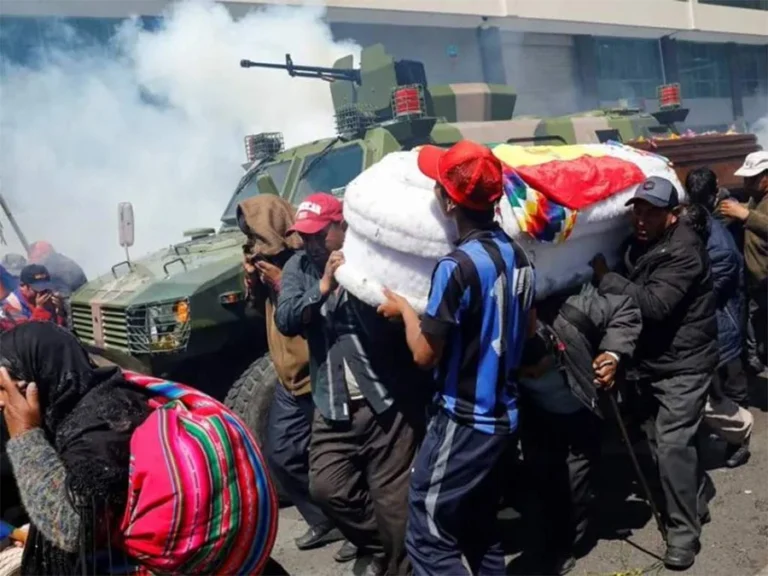
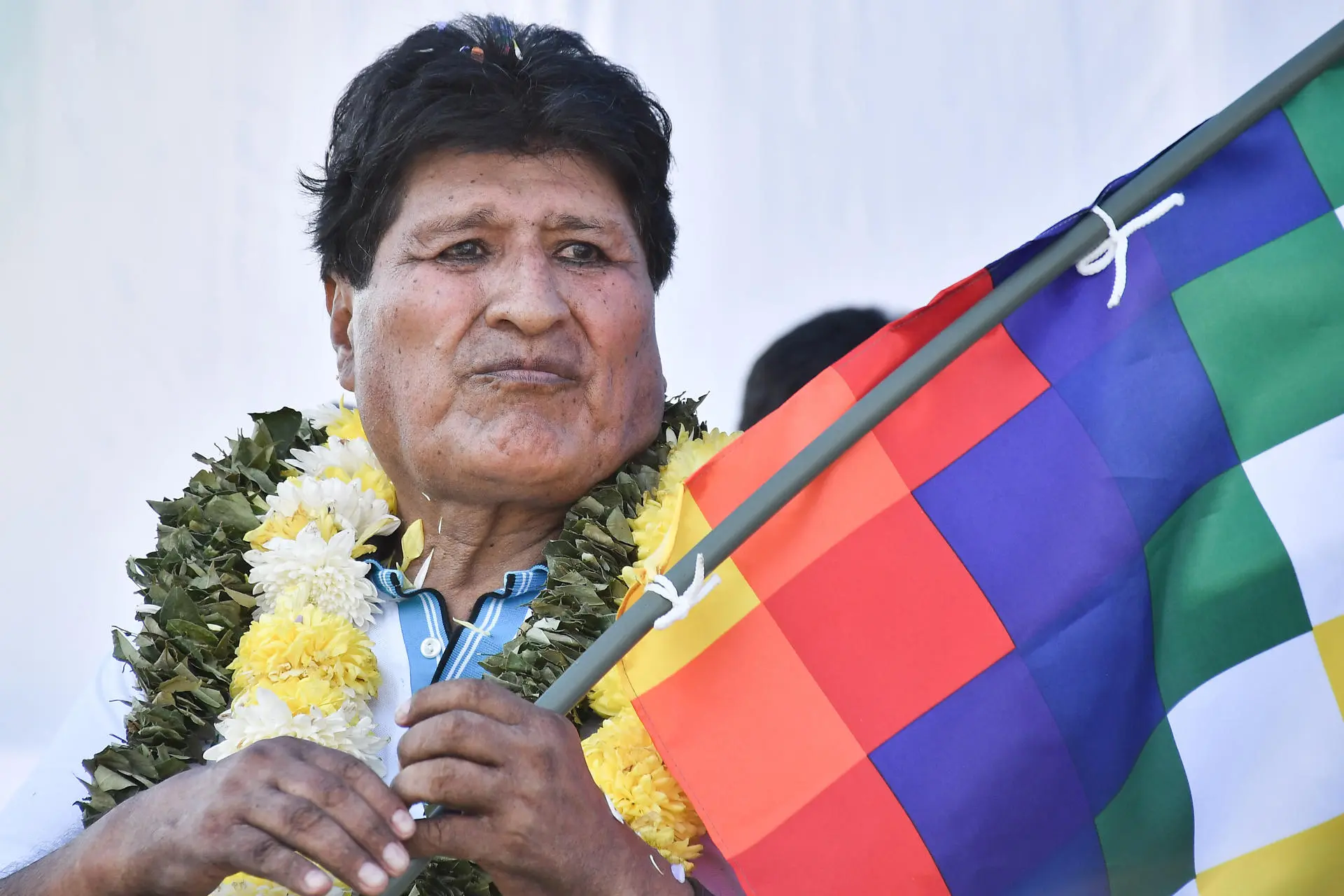
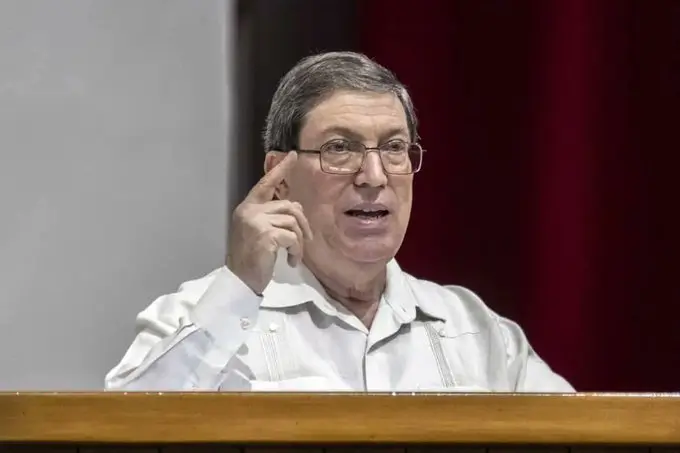
Debate intensifies as former Áñez officials return to government roles under President Rodrigo Paz. Photo: @PrensaLatina_cu
November 19, 2025 Hour: 1:50 am
🔗 Comparte este artículo
Former president Evo Morales has filed a complaint before the Inter-American Court of Human Rights, accusing President Rodrigo Paz of appointing a former official involved in the 2019 Sacaba and Senkata operations, where dozens of civilians were killed.
RELATED:
Rodrigo Paz Takes Office as Bolivia’s New President
Morales stated that Wilson Santamaría, who served in the interim government of Jeanine Áñez, has been named vice minister of Government. According to his account, Santamaría was a close associate of Áñez’s former minister of Government, Arturo Murillo, and participated in directing security forces during the operations in Sacaba and Senkata. In a message posted on X, Morales wrote: “Murillo y Santa María, dirigieron las fuerzas policiales durante las masacres de Sacaba y Senkata, con casi 40 muertos y decenas de heridos, tal como sostiene el informe de Grupo Interdisciplinario de Expertos Independientes (GIEI).”
A second former Áñez official also joined the Paz administration. Julio Linares Calderón, who previously served as vice minister of Transport during Áñez’s tenure, was appointed vice minister of Coordination of Public Management.
Áñez was released on 6 November after the Supreme Court annulled her 2022 ten-year sentence, originally issued for breach of duties and unconstitutional resolutions in the case known as “Golpe de Estado II.” Following her release, she called for “la restitución de la independencia de poderes” and stated, “Se tuvo que ir el monstruo para que los administradores de justicia puedan actuar como corresponde la norma,” referring to the end of two decades of political dominance by the Movement for Socialism. Two days later, she attended Paz’s inauguration.
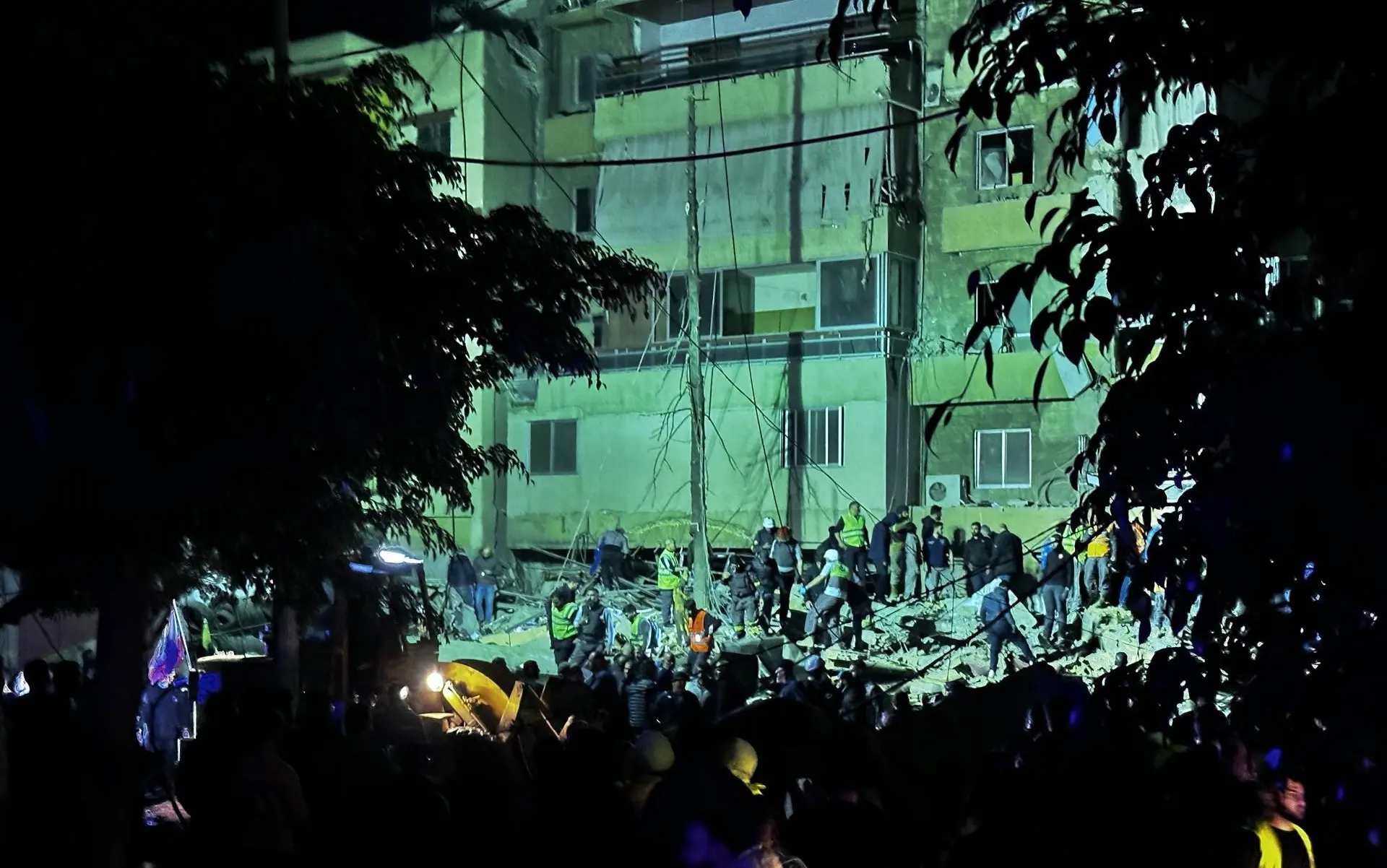
The Sacaba and Senkata killings took place in November 2019, during military and police interventions carried out shortly after Áñez assumed the presidency amid a national political crisis. On 15 November, at least 11 civilians were killed and 120 injured in Sacaba. Four days later, in the Senkata area of El Alto, another 11 civilians were killed and 78 injured. No police or military personnel were reported among the casualties.
On 10 December 2019, the Inter-American Commission on Human Rights condemned the events in both locations. At the time, Murillo claimed that all those killed had been “muertos con escopeta, con bala (calibre) 22, con dinamita,” attributing the deaths to demonstrators despite the absence of autopsy results and testimony from survivors who later reported being shot by military forces.
Bolivia’s Attorney General later stated that forensic investigations found the use of molotov cocktails and dynamite during attacks on the YPFB plant in Senkata. The Commission classified the events as massacres and highlighted civilian deaths across the country during this period. Reports from the Institute of Forensic Investigations indicated the use of military-grade weapons during the protests.
In 2020, the Harvard International Human Rights Clinic issued findings that Áñez’s administration committed human rights violations. That same year, Bolivia’s Ombudsman reported that actions by police and military forces in Sacaba and Senkata resulted in confrontations for which the Áñez government bore responsibility for crimes against humanity.
The incorporation of former Áñez officials into President Paz’s cabinet has renewed debate over accountability for the 2019 killings, keeping the political and judicial fallout from Sacaba and Senkata at the center of Bolivia’s public agenda.
Author: MK
Source: El Destape