







FAO Warns 132 Million Could Fall Into Extreme Poverty by 2030
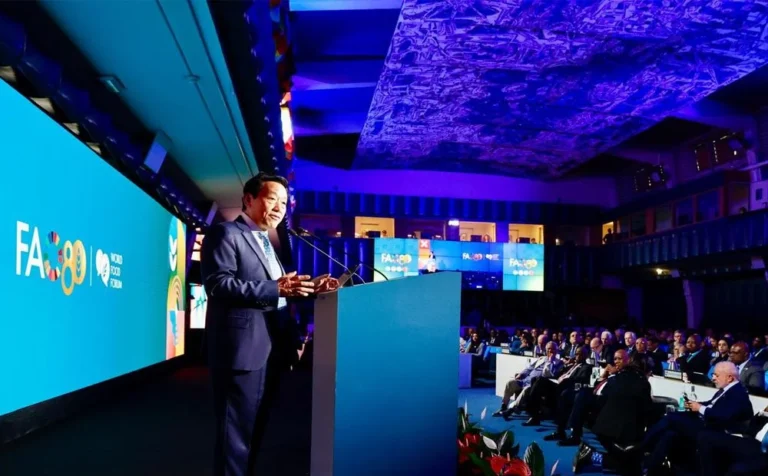
The warning was not delivered as a certainty. The FAO insists the scenario can still be avoided. Photo: FAO.
October 12, 2026 Hour: 4:57 pm
🔗 Comparte este artículo
More than 132 million people risk falling into extreme poverty over the next four years as intensifying droughts and severe floods batter agrifood systems worldwide, the Food and Agriculture Organization (FAO) warned Monday in Rome.
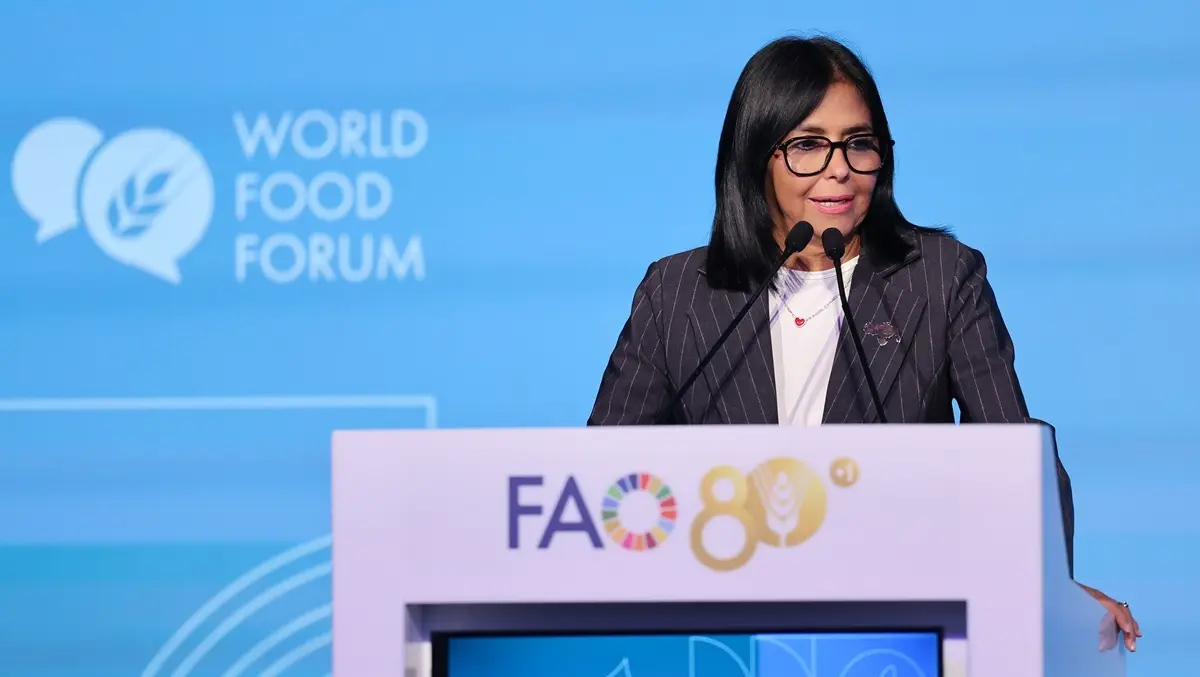
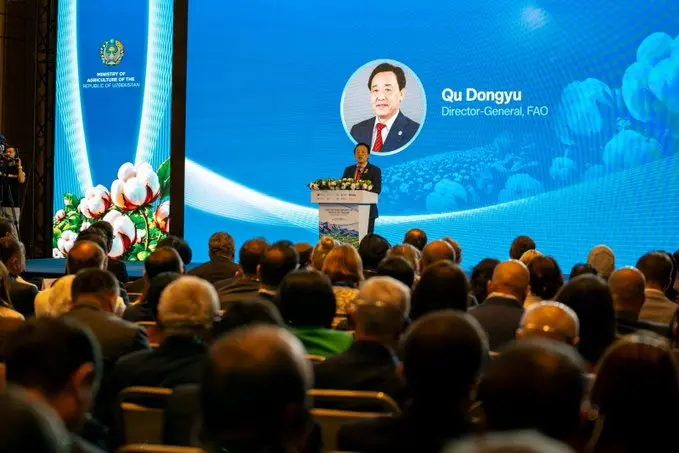
FAO Director-General Qu Dongyu issued the warning on October 12 at the opening of the plenary sessions of the World Food Forum 2026 in Rome. The event, held under the slogan “Innovate Today, Nourish Tomorrow,” runs through Friday, October 16.
Qu Dongyu told delegates of the World Food Forum 2026 (WFF) that extreme weather now threatens global food security at a scale the world has rarely confronted. The agency’s technical models identify a single driver behind the projected plunge, the hardening of droughts and floods that strike agricultural systems.
RELATED: FAO Opens Rome Forum With Focus on Global Food Security
According to the agency’s technical projections, the intensification of extreme weather events is hitting agrifood systems hard and threatening global food security. Qu described the impact of these phenomena as severe, stressing that the consequences fall most heavily on the Global South.
The forum brings together government delegations, farming communities, scientists and international investors. Their goal is to design structural responses to a climate crisis that, in the FAO’s assessment, punishes vulnerable regions with particular harshness.
FAO stressed that the projected outcome is not inevitable. According to the organization, it can only be avoided if governments and financial actors multiply and accelerate investments in three areas: technological innovation, the strengthening of rural and smallholder resilience, and the adaptation of local crops to changing climate conditions.
Global South Bears Brunt
The agency also cautioned that ecological imbalances, aggravated by what it called predatory development models, are deepening inequality gaps and threaten the human right to food. Both dynamics, it said, converge in extreme poverty.
That framing sharpens the demand for deep change in international agricultural governance. Whether the projected outcome can be averted depends, according to the FAO, on urgency converting into investment.
This year’s edition places significant emphasis on Latin America, with the participation of leaders from a range of political backgrounds. The forum is scheduled to close with institutional messages from UN Secretary-General António Guterres and Pope Leo XIV, in a gathering intended to strengthen global commitments against hunger.
FAO’s projection adds to a growing body of warnings from international organizations about the links between climate change, food insecurity and poverty. Whether the forum produces concrete financial commitments, rather than statements of intent, is likely to be the key test of its outcome.
Strategic alliances against hunger sit at the center of the agenda. For the FAO, the equation is direct. Faster funding and smarter innovation today determine how many families avoid destitution by the end of the decade.
The alert lands as the forum seeks to convert pledges into action. Delegates have five days in Rome to turn the warning into commitments, and the 132 million figure now frames every negotiation in the room.
Author: Laura V. Mor
Source: FAO / Agencies